








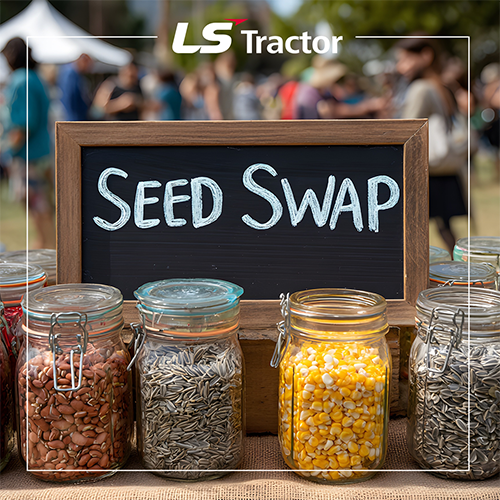
Why Seed Swapping Matters: Honoring the Roots of Agriculture
Every thriving field, flourishing garden, and abundant harvest begins with a single, powerful source: the seed. For farmers and growers, seeds are more than tiny kernels of potential – they are the foundation of crop productivity, food security, and sustainable agriculture. National Seed Swap Day, traditionally observed on the last Saturday of January, serves as a reminder of just how meaningful seed sharing is for growers across the country.
The annual celebration has grown significantly since its inception, reflecting a broader movement to preserve seed diversity, strengthen local communities, and reconnect people with the timeless tradition of sharing seeds.
A Tradition Rooted in History
The very first National Seed Swap Day took place on January 26, 2006, in Washington, D.C. Founded by Kathy Jentz, editor and publisher of Washington Gardener Magazine, the event was created to revive the ancient practice of seed bartering in a modern setting.
Long before seed catalogs and garden centers existed, neighbors exchanged seeds as a way to survive, adapt, and build community. Seeds were among the earliest traded commodities. Farmers carried them across continents, using them as both currency and a way to establish new roots. In North America, early colonists and Indigenous peoples relied on seed exchanges to cultivate staple crops like corn, beans and squash.
Today, seed swapping honors that heritage while adapting it for a new generation of growers.
A Growing Movement
What began as a single event in Washington, D.C. quickly blossomed into a national celebration.
- By 2010, seed swap events were expanding in size and popularity.
- In 2012, the day received official recognition as a national holiday.
- By 2015, seed libraries began appearing across the country, giving communities free access to heirloom and locally adapted seeds.
- In 2018, online platforms made it possible for gardeners to exchange seeds digitally, expanding participation across the globe.
Today, seed swaps take place in countless communities, both in person and online, connecting growers everywhere.
Why Seed Swapping Matters
Seed Swapping is more than a fun winter activity – it’s a powerful act of stewardship.
-
Protecting Seed Diversity
In the past century, the world has lost 75% of its edible plant varieties. When heirloom seeds disappear, so do their stories, flavors, and genetic resilience. Sharing seeds keeps these varieties alive.
-
Strengthening Local Biodiversity
Seeds adapted to local climates grow stronger, healthier plants. Swapping them helps communities build more resilient gardens and farms.
-
Encouraging Self-Sufficiency
Growing food from seed promotes independence, reduces reliance on commercial supply chains, and deepens appreciation for the natural lifecycle of plants.
-
Building Community
Seed swaps bring together gardeners of all experience levels. Experts mentor beginners, neighbors share tips, and stories are passed from one generation to the next.
-
Saving Money and Reducing Waste
Exchanging seeds is cost-efficient and environmentally friendly – a win-win for growers and the planet.
What Happens at a Seed Swap?
Whether hosted in a community center, library, farm store, or backyard, seed swaps follow a simple and welcoming format:
- Gardeners bring seeds from their best plants.
- Participants share notes on growing conditions, germination tips, and harvest results.
- Seeds of all kinds – vegetables, flowers, herbs, fruits, all are exchanged freely.
- People leave with new varieties to try and new connections within their community.
It’s a unique opportunity to learn, share and celebrate the joy of growing.
How to Participate in a Seed Swap Anytime
Even if the official day has passed, there are plenty of ways to join the movement year-round.
Attend a Local Event
Many towns, libraries, and gardening groups host seed swaps throughout the winter and early spring.
Visit Washington, D.C.
The original National Seed Swap Day event still takes place in the nation’s capital, continuing the tradition that started it all.
Host Your Own Seed Swap
Invite friends, family, and neighbors to bring seeds to share. If you’re organizing:
- Encourage participants to label seeds clearly.
- Sort them into categories like vegetables, flowers, herbs, and miscellaneous.
- Create space for sharing stories, tips and growing advice.
Join Online Seed-Swapping Communities
Digital platforms make it easy to connect with gardeners across the country and exchange seeds by mail.
Plan Your Garden
Late winter is the perfect time to sketch out your spring garden, start seeds indoors, and gather inspiration from fellow growers.
Share Your Experience
Posting photos or stories from your seed swap helps spread awareness and inspires others to join in.
Keeping Heirloom Seeds and Their Stories Alive
Every seed carries a story: where it came from, who grew it, and how it adapted over time. Seed swapping reminds us that if we don’t share these seeds, we risk losing them forever.
By participating in this tradition, farmers and gardeners help preserve biodiversity, strengthen local food systems, and honor the agricultural practices that have sustained communities for centuries.
At LS Tractor, we’re proud to support the growers who keep these traditions alive – one seed, one story, and one season at a time.
Published on February 5, 2026 and written by Kimberly Steele