


How to Create an Edible Landscape with a Grazing Garden and Backyard Food Forest
Discover how grazing gardens, edible landscaping, and backyard food forests can transform your property into a beautiful, productive space with help from LS Tractor.
For generations, the ideal backyard featured a lush green lawn, neatly trimmed shrubs, and colorful flower beds. While those landscapes are certainly attractive, many homeowners are beginning to ask a simple question:
What if my yard could be just as beautiful and provide fresh food at the same time?
That’s exactly what’s driving the growing popularity of grazing gardens, one of the newest trends in edible landscaping. Instead of dedicating one corner of the yard to a traditional vegetable garden, homeowners are blending fruits, vegetables, herbs, edible flowers, and berry bushes directly into their landscapes. The result is a beautiful, productive outdoor space that’s designed to be enjoyed every day.
Whether you call it a foodscape design, a backyard food forest, or an edible landscape, the goal is the same: create a yard that’s as functional as it is beautiful.
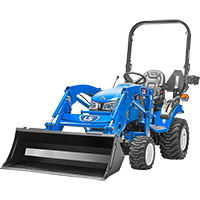
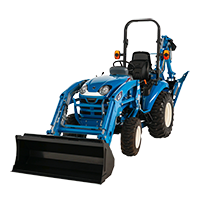
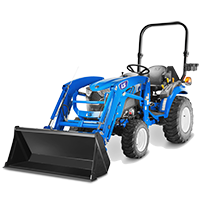
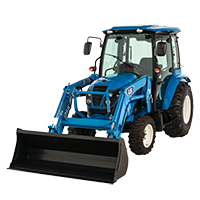
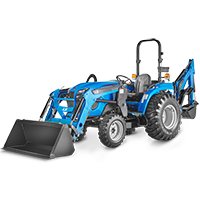
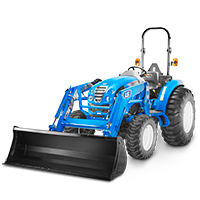
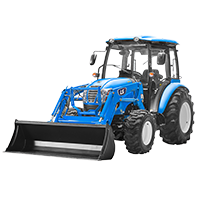
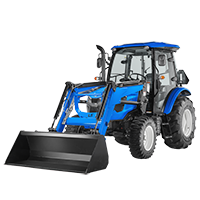
Better yet, you don’t need a large farm to get started. Even a modest backyard can become a thriving source of fresh produce with thoughtful planning, quality soil, and the right equipment. An LS compact tractor paired with the proper implements can help homeowners complete projects faster – from preparing the ground and building raised beds to moving compost, mulch, and landscaping materials.
Why More Homeowners are Replacing Grass with Edible Landscaping
Traditional lawns have long been the standard for residential landscapes, but they’re also one of the most resource intensive features of a property. Maintaining a healthy lawn often requires regular mowing, watering, fertilizing, weed control, and seasonal upkeep – all without producing anything beyond visual appeal.
Today’s homeowners are looking for landscapes that work a little harder. By choosing edible landscaping, you can transform underutilized areas into spaces that provide fresh food, support local wildlife, and create year-round visual interest. Instead of growing plants solely for appearance, edible landscapes combine ornamental beauty with practical harvests.
Some of the biggest benefits include:
- Fresh fruits, vegetables, herbs, and edible flowers just steps from your kitchen
- Lower grocery bills by harvesting seasonal produce at home
- Reduced food miles and greater self-sufficiency
- Improved biodiversity by attracting bees, butterflies, and other beneficial pollinators
- Healthier soil through composting and organic gardening practices
- Less lawn to mow and maintain
- Outdoor spaces that encourage families to spend more time together
Perhaps best of all, edible landscaping can be customized to fit almost any property. Whether you own a suburban lot, a rural homestead, or several acres, you can start small and expand your garden over time.
What is a Grazing Garden?
A grazing garden is a relaxed, inviting type of edible landscape where food-producing plants are arranged throughout the yard instead of being confined to neat rows.
Imagine walking through your backyard and picking a handful of cherry tomatoes for lunch, fresh basil for pasta, blueberries for breakfast, or a few strawberries while enjoying your morning coffee. That’s the idea behind a grazing garden – it encourages everyday harvesting while creating a landscape that’s beautiful enough to enjoy even when nothing is being picked.
Unlike a traditional vegetable garden, grazing gardens emphasize variety, accessibility, and aesthetics. Plants are often grouped by color, texture, or growing habits rather than planted in straight rows, creating landscape that feels natural and welcoming.
Popular plants include:
- Cherry tomatoes
- Strawberries, blueberries and raspberries
- Leaf lettuce and kale
- Snap peas
- Cucumbers
- Sweet peppers
- Green onions
- Culinary herbs like basil, rosemary, thyme, parsley, and oregano
- Edible flowers such as nasturtiums and calendula
- Dwarf fruit trees
Many homeowners place grazing gardens near patios, outdoor kitchens, grilling areas, or walkways so fresh ingredients are always within easy reach.
Quick Take: Grazing Garden vs. Traditional Vegetable Garden
| Grazing Garden | Traditional Garden |
| Blends into your landscape | Usually planted in rows |
| Focuses on beauty and food | Focuses primarily on food production |
| Easy to harvest while walking through yard | Harvested from a dedicated garden space |
| Vegetables, flowers, herbs, shrubs and fruit trees | Mostly annual vegetables |
| Enhances curb appeal | Often hidden in the backyard |
Foodscape Ideas That Blend Beauty and Productivity
One of the misconceptions about edible gardening is that it must look like a traditional vegetable patch. In reality, some of the most successful foodscape ideas are nearly indistinguishable from ornamental landscaping. Thoughtful foodscape design focuses on creating visual appeal while maximizing food production.
Consider incorporating ideas like these:
Let Fruit Trees Become the Focal Point
Instead of planting ornamental trees, choose dwarf apple, pear, peach, or cherry trees. Their spring blossoms provide seasonal beauty, while summer and fall harvests reward you with fresh fruit.
Replace Shrubs with Berry Bushes
Blueberries, raspberries, blackberries, currants, and gooseberries make excellent hedges or border plantings. They offer colorful foliage, seasonal flowers, privacy, and delicious harvests.
Mix Vegetables into Flower Beds
Leafy greens, rainbow chard, purple cabbage, peppers, and herbs can easily be incorporated among ornamental flowers to add texture and vibrant color.
Grow Up Instead of Out
Trellises, arbors, and decorative fencing create opportunities for climbing plants like cucumbers, pole beans, grapes, and even small melons. Vertical gardening makes efficient use of space while adding visual interest.
Add Raised Beds Throughout the Landscape
Rather than grouping every vegetable into one large garden, distribute raised beds throughout the property. This creates smaller destination gardens while making watering and harvesting more convenient.
For homeowners looking for backyard homestead ideas, these simple additions are an excellent way to begin replacing traditional lawns with productive landscapes.
Equipment Checklist for Building an Edible Landscape
One of the advantages of starting an edible landscape is that you don’t have to complete everything at once. Many homeowners build their foodscape one project at a time, adding new features each growing season.
Having the right equipment makes every project easier.
Essential Gardening Tools
- Garden rake
- Shovel
- Wheelbarrow
- Hand pruners
- Garden hose or irrigation system
- Compost and mulch
- Raised bed materials
Equipment That Saves Time
As your projects become larger, equipment can dramatically reduce manual labor while improving efficiency. An LS compact tractor equipped with the right attachments helps simplify many of the heavier jobs associated with creating an edible landscape.
Some of the most valuable implements include:
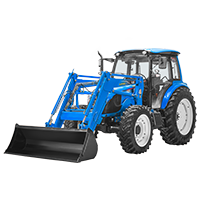
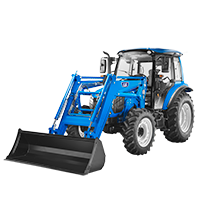
- Front-End Loader: Move compost, mulch, topsoil, gravel, and landscape materials with ease.
- Box Blade: Prepare and level areas for raised beds, pathways, and planting sites.
- Rotary Tiller: Incorporate compost into the soil and create an ideal planting bed for vegetables and flowers.
- Pallet Forks: Transport lumber, raised bed kits, fruit trees, fencing materials, and pallets of soil efficiently
Instead of spending an entire weekend moving materials by hand, the right compact tractor allows you to spend more time plating and enjoying your landscape. Choosing the right implements is only the first step. Keeping them in peak condition ensures they’re ready whenever inspiration strikes.
How to Build a Backyard Food Forest That Produces for Years
If you’re looking to create a landscape that becomes more productive with each passing season, consider adding a backyard food forest to your property.
Unlike a traditional vegetable garden that requires replanting every year, a food forest garden is designed to mimic the layers of a natural woodland ecosystem. Each layer serves a purpose, creating a healthy, self-supporting environment where plants work together rather than compete.
A typical food forest includes:
- Canopy layer: Dwarf fruit or nut trees
- Understory layer: Smaller fruit trees like pears
- Shrub layer: Blueberries, raspberries, blackberries, currants, or gooseberries
- Herbaceous layer: Culinary herbs, perennial vegetables, and edible flowers
- Groundcover layer: Strawberries, creeping thyme, or clover
- Root layer: Garlic, onions, carrots, or other root vegetables
- Vine layer: Grapes, kiwi, climbing beans, or cucumbers
By planting in layers, you maximize every square foot of your property while creating natural shade, retaining soil moisture, and encouraging biodiversity.
One of the biggest advantages of a food forest is that it often becomes easier to maintain over time. As leaves, mulch and organic matter break down, they naturally enrich the soil, reducing the need for additional fertilizers. Deep-rooted perennial plants also require less irrigation once established.
The key is to start small. Even one fruit tree, a few berry bushes, and a handful of perennial herbs can become the foundation for a thriving food forest that grows a little larger every year.
How to Replace Grass with Edible Landscaping
If the idea of removing your entire lawn feels overwhelming, don’t worry. You don’t have to do it all at once. The best edible landscapes evolve over time. Start with one manageable project, learn what grows well in your area, and expand as your confidence grows.
Step 1: Evaluate Your Property
Before planting anything, spend time observing your landscape.
Ask yourself:
- Which areas receive at least six to eight hours of sunlight?
- Where does water naturally collect after a heavy rain?
- Are there existing trees or shrubs you can incorporate into your design?
- Which areas are easiest to access for watering and harvesting?
Taking time to understand your property’s natural conditions will help you choose plants that thrive with less maintenance.
Step 2: Improve the Soil
Healthy gardens begin with healthy soil. Add compost, organic matter, and mulch to improve soil structure, increase water retention, and feed beneficial microorganisms. If your soil is compacted, loosening it before planting encourages stronger root growth.
A rotary tiller behind an LS compact tractor makes this job significantly faster, mixing compost evenly into the soil while creating an ideal planting bed.
Step 3: Build the Framework
Once the soil is prepared, begin creating the permanent features of your landscape.
This may include:
- Raised garden beds
- Gravel or mulch pathways
- Fruit tree planting areas
- Decorative borders
- Compost bins
- Rainwater collection systems
Rather than tackling one enormous project, complete one area at a time. Each finished space becomes immediately usable while leaving room for future expansion.
Step 4: Plant in Layers
One of the defining characteristics of good foodscape design is layering.
Start with trees, then work downward by adding shrubs, herbs, vegetables, flowers, and groundcovers. This approach creates visual interest while making better use of available space.
Don’t forget to include flowering herbs and native plants to attract bees, butterflies, and other beneficial pollinators.
Step 5: Mulch, Water, and Enjoy
Finish each planting area with a generous layer of mulch to help retain moisture, suppress weeds, and regulate soil temperatures.
From there, enjoy watching your landscape mature with each passing season.
Weekend Landscaping Project: Transform Your Backyard
One of the best things about edible landscaping is that you can accomplish meaningful progress in just a few days or weekends.
Here’s an example of how homeowners can begin transforming part of their property in less than one month:
Weekend 1
- Sketch a simple garden layout
- Mark planting areas with landscape paint or stakes
- Gather compost, mulch, lumber, and planting materials
Weekend 2
- Remove sections of turf
- Use a box blade to level uneven ground
- Till planting areas with a rotary tiller
- Build raised beds
- Spread compost and soil
Weekend 3
- Plant fruit trees and berry bushes
- Install herbs, vegetables, and flowers
- Apply mulch
- Water thoroughly
- Add decorative finishing touches like stepping stones or edging
In a short period of time, you’ll have the foundation for an edible landscape that can continue growing for years.
Why a Compact LS Tractor is the Best Tractor for Homesteading Projects
Many homeowners begin with hand tools, but as edible landscapes expand, so does the amount of work involved.
That’s where an LS compact tractor becomes one of the most valuable tools on your property. Instead of replacing hard work, it helps you accomplish more in less time – allowing you to focus on planting, harvesting, and enjoying your landscape.
Preparing the Site
Before plating begins, a box blade smooths uneven ground, grades pathways, and prepares planting areas for raised beds and gathering spaces
Building Raised Beds
A front-end loader quickly moves topsoil, compost, gravel, and mulch while pallet forks make transporting lumber, raised bed kits, fencing materials, and pallets of soil much easier.
Creating Healthy Soil
Healthy soil is the heart of every successful edible landscape. Using a rotary tiller, homeowners can blend compost into the soil quickly and evenly, creating ideal growing conditions while saving hours of manual labor.
Maintaining Your Landscape
Long after planting day, your compact LS tractor continues working year-round.
Use the loader to refresh mulch around trees, transport compost to planting beds, move harvested pumpkins or firewood, clean up storm debris, maintain gravel pathways, or relocate landscaping materials for your next project.
As your edible landscape grows, your tractor becomes an investment that supports every season – not just planting day.
For many homeowners searching for the best tractor for homesteading, an LS compact tractor paired with the right implements provides the versatility needed for gardening, landscaping, property maintenance, and countless weekend projects.
Keeping Your Edible Landscape Growing for Years to Come
One of the greatest advantages of edible landscaping is that it becomes more rewarding with time. While annual vegetables may come and go each season, fruit trees, berry bushes, perennial herbs, and other long-lived plants continue to mature, often producing larger harvest year after year.
Like any landscape, however, a foodscape benefits from routine care. A few seasonal maintenance tasks can help keep your edible landscape healthy, productive, and beautiful:
- Add a fresh layer of compost each spring to replenish soil nutrients.
- Apply mulch around trees, shrubs, and garden beds to retain moisture and suppress weeds
- Prune fruit trees and berry bushes during their dormant season to encourage healthy growth and improve fruit production.
- Rotate annual crops, when possible, to reduce pest and disease pressure.
- Regularly inspect irrigation systems and water deeply during extended dry periods.
- Pull weeds before they have a chance to spread and compete with desirable plants
- Continue adding flowering herbs and native plants to attract pollinators and beneficial insects.
As your landscape evolves, you’ll likely discover new opportunities to expand. Perhaps you’ll add another raised bed, plant a few more fruit trees, build a composting station, or install a trellis for climbing vegetables. Every season is another chance to make your landscape a little more productive.
Rather than being a one-time project, an edible landscape is an investment that continues to provide fresh food, lasting beauty, and enjoyment for years to come.
Grow More Than a Garden – Grow a Lifestyle
The growing popularity of grazing gardens reflects a larger shift in how homeowners think about their outdoor spaces. Today’s landscapes are no longer just places to admire from the porch – they’re becoming extensions of the home where families gather, children learn where food comes from, and fresh ingredients are harvested just steps from the kitchen.
Whether your goal is to grow a handful of herbs, replace part of your lawn with edible landscaping, or build a thriving backyard food forest, every project begins with a single step. Start with one raised bed. Plant one fruit tree. Add a row of berry bushes. Build your landscape one season at a time.
Before long, you’ll have a yard that’s working just as hard as you are by producing fresh food, supporting pollinators, reducing maintenance, and creating memories that can be shared for generations.
At LS Tractor, we’re proud to help homeowners, gardeners, and homesteaders bring those projects to life. From preparing the ground and building raised beds to hauling compost, planting trees, and maintaining your property through every season, an LS compact tractor and the right implements can help turn today’s ideas into tomorrow’s harvest.
Ready to begin your edible landscaping journey? Visit your local LS Tractor dealer to explore compact tractors and implements designed to help you accomplish more.
Frequently Asked Questions
What is an edible landscape?
An edible landscape is a landscape that combines food-producing plants with traditional ornamental plants to create a space that’s both attractive and productive. Fruit trees, vegetables, herbs, berry bushes, edible flowers, and groundcovers are integrated throughout the yard, allowing homeowners to enjoy fresh produce while maintaining beautiful curb appeal.
What is a food forest?
A food forest is a multi-layered planting system designed to mimic the structure of a natural forest. Instead of growing crops in rows, a food forest combines fruit trees, shrubs, herbs, vines, root crops, and groundcovers that work together to create a productive, low-maintenance ecosystem.
Can you grow enough food on one acre?
Yes. With thoughtful planning, one acre can produce a significant number of fruits, vegetables, herbs, and berries throughout the growing season. Raised beds, vertical growing systems, fruit trees, companion planting, and perennial crops help maximize available space and increase harvests.
How do you convert a lawn into a garden?
Start by selecting a sunny area and removing or covering the existing grass. Improve the soil with compost and organic matter, then install pathways or raised beds before planting. Many homeowners find success by converting one section of the yard at a time rather than tackling the entire lawn at once.
What equipment do you need to build raised beds?
Basic hand tools like shovels, rakes, wheelbarrows, and drills are helpful for smaller projects. For larger landscaping jobs, a compact tractor equipped with a front-end loader and pallet forks makes moving lumber, compost, mulch, topsoil, and other materials much more efficient.
What tractor attachments are best for gardening?
Some of the most useful tractor attachments for gardening include:
- Front-end loader for moving compost, mulch, soil, and gravel
- Rotary tiller for preparing planting beds and incorporating compost
- Box blade for grading and leveling garden sites
- Pallet forks for transporting raised bed materials, trees, fencing, and landscaping supplies
These versatile implements help reduce manual labor while making property improvements faster and easier.
How do you prepare soil for a food forest?
Begin by evaluating drainage, sunlight, and soil quality. Incorporate compost or other organic matter to improve soil structure, then mulch heavily to retain moisture and suppress weeds. Plant trees first, followed by shrubs, herbs, groundcovers, and vines to create a layered ecosystem that becomes more productive over time.
What can you grow in an edible landscape?
Almost any food-producing plant can become part of an edible landscape. Popular choices include dwarf fruit trees, berry bushes, tomatoes, peppers, lettuce, kale, herbs, edible flowers, strawberries, grapes, cucumbers, beans, root vegetables, and even mushrooms. The best plant selections depend on your growing zone, available sunlight, and the overall design of your landscape.
Published on July 8, 2026 and written by Kimberly Steele