


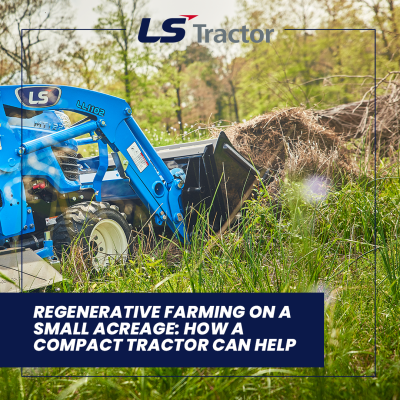
Regenerative Farming on a Small Acreage: How a Compact Tractor Can Help
Whether you’re managing five acres or fifty, regenerative farming offers practical ways to improve soil health, reduce inputs, and create a more productive property. The best part? You don’t need a large farm to put these principles into practice. With thoughtful land management – and the right equipment – small-acreage owners can build healthier soil, support biodiversity, and create a more resilient homestead.
For many homesteaders, a few acres is more than just a piece of land – it’s an opportunity to grow food, raise animals, improve the soil, and create a more self-sufficient lifestyle. As interest in regenerative agriculture continues to grow, more small-acreage owners are looking for ways to work with nature instead of against it.
Whether you’re growing vegetables, managing a small orchard, raising livestock, or simply improving your property, regenerative farming focuses on building healthy soil, increasing biodiversity, and creating a more resilient ecosystem.
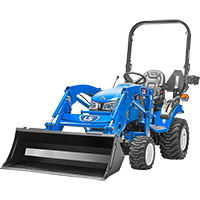
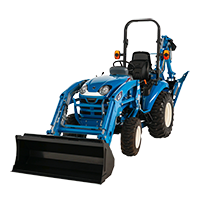
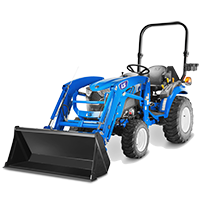
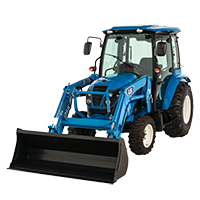
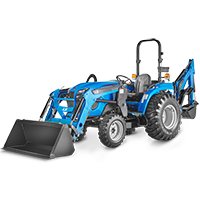
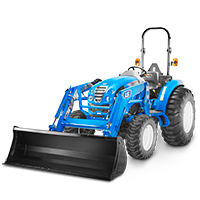
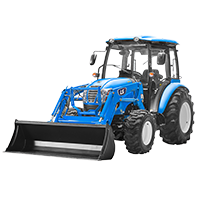
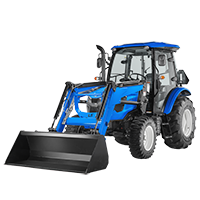
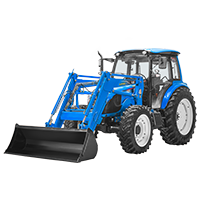
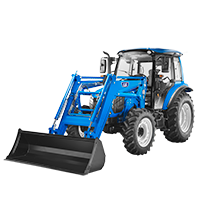
While regenerative homesteading emphasizes natural systems and low-input methods, having the right equipment can make the process far more efficient. A LS compact tractor can help homesteaders tackle labor-intensive projects such as compost management, cover crop establishment, material handling, and pasture maintenance while supporting long-term land stewardship goals.
What is Regenerative Homesteading?
At its core, regenerative homesteading is about improving the land year after year. Instead of simply taking nutrients from the soil, regenerative practices focus on restoring them. The goal is to create a healthier ecosystem that supports productive gardens, pastures, livestock, and wildlife while reducing the need for outside inputs.
While every homestead is unique, most regenerative systems are built around a few key principles:
- Build healthy, living soil.
- Keep the soil covered whenever possible.
- Increase plant diversity.
- Incorporate animals thoughtfully.
- Work with local conditions and natural cycles.
The result is a property that becomes more productive, resilient, and sustainable over time.
Healthy Soil Is the Foundation
If there is one thing regenerative homesteaders focus on more than anything else, it’s soil health.
Healthy soil does much more than support plant growth. It stores water, cycles nutrients, supports beneficial microorganisms, and helps plants withstand drought, pests, and other stresses.
Healthy soil also contains billions of microorganisms – including bacteria, fungi, earthworms, and other beneficial organisms – that work together to break down organic matter and recycle nutrients. Protecting this living ecosystem is one of the primary goals of regenerative farming.
One of the fastest ways to improve soil health is by adding organic matter through compost, mulch, and plant residues. Many homesteaders start composting kitchen scraps, garden waste, leaves, and animal bedding to create a nutrient-rich amendment that can be returned to the soil.
Regular soil testing is another valuable practice. Understanding your soil’s nutrient levels, pH, and organic matter content allows you to make informed decisions before applying compost or other amendments, helping you build healthier soil more efficiently.
On a small property, moving and spreading compost by hand may be manageable at first. However, as gardens expand and compost production increases, a compact tractor or utility tractor equipped with a front-end loader can dramatically reduce the labor involved in transporting, turning, and distributing compost around the property.
Keep the Soil Covered
Bare soil is vulnerable to erosion, moisture loss, and extreme temperatures. That’s why regenerative growers work to keep their soil covered throughout the year.
Mulch, cover crops, crop residues, and perennial plantings all help protect the soil from wind, rain, and intense sunlight. They also feed beneficial soil organisms and improve water retention.
Cover crops such as clover, rye, and alfalfa are especially popular among regenerative homesteaders. These plants protect the soil during the off-season while adding organic matter and, in some cases, fixing nitrogen naturally.
A compact tractor or utility tractor can help prepare planting areas, establish cover crops, and manage crop residues. With the right implements, small-acreage owners can seed larger areas quickly and efficiently while minimizing soil disturbance.
Disturb the Soil Less
One of the guiding principles of regenerative agriculture is minimizing unnecessary soil disturbance.
Repeated deep tillage can disrupt soil structure, damage beneficial organisms, and reduce organic matter over time. Instead, many regenerative growers use low-till or reduced-till methods whenever possible.
This doesn’t mean tractors are off-limits. In fact, compact tractors can support regenerative goals when used strategically. Light soil preparation, shallow incorporation of organic materials, and targeted land management tasks can help improve productivity while preserving soil health.
The key is using equipment as a tool to support the land – not constantly reshape it.
Diversity Creates Resilience
Nature rarely grows a single crop in isolation. Healthy ecosystems are built on diversity, and regenerative homesteads follow the same principle.
Many homesteaders incorporate a mix of vegetables, fruits, flowers, herbs, trees, and livestock to create a balanced environment. Companion planting, edible perennials, pollinator habitats, and agroforestry systems all contribute to a healthier landscape.
Fruit trees, berry bushes, asparagus beds, and other perennial crops can provide harvests for years while requiring less soil disturbance than annual plantings.
As these systems expand, a compact tractor becomes useful for transporting mulch, preparing planting sites, moving materials, and maintaining access paths throughout the property.
Integrating Livestock into the System
Animals can play an important role in regenerative homesteading when managed properly.
Chickens, ducks, rabbits, goats, sheep, and cattle all contribute valuable manure that can be composted and returned to the soil. Rotational grazing systems can also help improve pasture health while preventing overgrazing.
Managing livestock often involves moving feed, bedding, fencing materials, and manure. These routine tasks can quickly become time-consuming without equipment.
A compact tractor can help streamline daily chores by transporting materials, maintaining pasture areas, and assisting with fence installation and repairs. This allows homesteaders to spend less time on manual labor and more time managing their animals and land.
Water Management Matters
Healthy soil and effective water management go hand in hand.
Regenerative homesteaders often focus on capturing and retaining rainfall through practices such as mulching, swales, contour planting, and strategic landscaping. These methods help reduce runoff and improve moisture retention during dry periods.
On larger homestead projects, a compact tractor can assist with shaping drainage areas, moving soil, installing water infrastructure, and maintaining access routes. These improvements can make a significant difference in the long-term productivity of the property.
Small Changes Lead to Big Results
One of the most appealing aspects of regenerative homesteading is that it doesn’t require a complete lifestyle overhaul from day one.
Many successful homesteaders begin with simple practices such as:
- Starting a compost
- Planting a cover crop.
- Adding mulch to garden beds.
- Introducing pollinator-friendly plants.
- Rotating livestock through pastures.
- Planting fruit trees or edible perennials
- Conducting regular soil tests.
Every improvement builds on the last. Over time, these simple practices create healthier soil, stronger plant growth, better water retention, and a more resilient property that requires fewer outside inputs.
Plan Your Regenerative Projects Before Choosing Equipment
As your homestead grows, so will the projects that require equipment. Before investing in a tractor, think about both your current needs and your future goals.
Consider questions such as:
- How many acres will you maintain?
- Will you be raising livestock?
- Are you planning a large vegetable garden or orchard?
- Will you need to move compost, mulch, gravel, or hay?
- Which implements will you use most often?
Choosing a versatile compact tractor with the right attachments allows your equipment to grow alongside your homestead, making it a valuable investment for years to come.
Why a Compact LS Tractor Makes Sense for Regenerative Homesteads
As regenerative projects grow, so do the daily tasks required to maintain them. Whether you’re turning compost, moving mulch, maintaining trails or managing livestock areas, a LS compact tractor provides the versatility to handle changing needs throughout the seasons.
When paired with implements such as a front-end loader, rotary cutter, rake grapple, box blade or backhoe, a LS compact tractor becomes an all-purpose tool for regenerative land management. It helps reduce manual labor while making routine projects more efficient, allowing homesteaders to spend more time improving the health of their land and less time performing physically demanding tasks.
The Right Tools for the Journey
Regenerative homesteading is ultimately about stewardship. It’s about leaving the land healthier than you found it while creating a productive and sustainable place to live.
While nature does much of the heavy lifting, the right equipment can help you accomplish more in less time. A compact tractor along with the appropriate attachments and implements provides the versatility needed to manage compost, establish cover crops, move materials, maintain pastures, support livestock operations, and tackle countless other projects that improve the land over time.
Every season offers an opportunity to improve your property. By combining regenerative farming practices with versatile equipment designed for small-acreage work, you can spend less time on labor-intensive tasks and more time building a healthier, more productive homestead for future generations.
Frequently Asked Questions About Regenerative Farming
What is regenerative farming?
Regenerative farming is a land management approach that focuses on improving soil health, increasing biodiversity, and strengthening natural ecosystems over time.
Can you practice regenerative farming on a small acreage?
Many regenerative techniques, including composting, cover crops, rotational grazing, and mulching are well suited to homesteads and properties of just a few acres.
Is regenerative farming the same as organic farming?
Not necessarily. Organic farming focuses on approved growing practices and materials, while regenerative farming emphasizes improving soil health, increasing biodiversity, and restoring natural ecosystems. Many farms use practices from both approaches.
Do you need a tractor for regenerative farming?
A compact tractor can significantly reduce the labor involved in moving compost, maintaining trails, planting cover crops, transporting materials, and caring for livestock.
What tractor size is best for a homestead?
For many small-acreage properties, compact tractors in the 25–45 horsepower range provide the versatility needed for gardening, landscaping, pasture maintenance, and material handling.
What tractor implements are most useful for regenerative farming?
A front-end loader, rotary cutter, tiller, spreader, pallet forks, and post-hole digger are among the most useful implements for regenerative homesteads. These attachments help with compost management, pasture maintenance, fencing projects, material handling, and seasonal property improvements.
Published on June 25, 2026 and written by Kimberly Steele