


Fall Food Plot and Wildlife Habitat Projects: Make the Most of Your Small Acreage
Fall wildlife habitat projects can do more than attract wildlife. They can become part of a larger plan for healthier soil, better habitat and a more productive property. Here are practical fall land management projects for homesteaders, hunters, and rural landowners – and how a compact tractor can help make them possible.
As summer fades and cooler temperatures arrive, fall is one of the best times to take a closer look at your property. This time of year is when landowners turn their attention to land stewardship. Fields that have grown tall, trails that need attention, and open areas that could provide food or cover for wildlife all present opportunities to improve your land before winter.
For hunters, that might mean establishing a wildlife food plot. For homesteaders, it could mean improving biodiversity or creating habitat for birds and pollinators. For rural landowners, fall can simply be the right time to reclaim an unused area, improve access, or prepare the ground for a planting project next spring.
The goal isn’t to transform your entire property overnight. Instead, thoughtful fall land management can turn small sections of your acreage into more productive, diverse spaces.
And while the vision belongs to the landowner, the right equipment can make the work considerably easier. A compact tractor equipped with tools such as a rotary tiller and seeder can help prepare soil, establish plantings, and maintain the property without becoming the focus of the project.
Why Fall is a Good Time for Wildlife Habitat Projects
Fall offers several advantages for wildlife habitat improvement. Cooler temperatures, predictable moisture, and slower plant growth make autumn the ideal window for establishing productive acreage before winter.
Summer vegetation has typically finished growing, making it easier to see the condition of your fields and identify areas that could be improved. Cooler weather also makes physically demanding land projects more comfortable, while fall planting can give certain grasses, grains, and other vegetation time to establish before winter or take advantage of early spring growth.
For wildlife, the benefits can extend well beyond hunting season.
A thoughtfully designed habitat can provide:
- Food sources for deer, turkey, birds, and other wildlife
- Cover and nesting areas
- Native plants that support pollinators
- Greater plant diversity
- Improved soil structure
- Better use of otherwise underutilized acreage
Even a small property can benefit from these changes. A five-acre homestead doesn’t need to become a large-scale wildlife preserve to make a difference.
Here are some fall wildlife projects to consider for your property this fall.
8 Fall Wildlife Habitat Projects for Small Acreage
-
Create a Small Wildlife Food Plot
One of the most practical fall projects for rural landowners and hunters is establishing a wildlife food plot. Creating a fall food plot supports deer, turkey, and small game through winter while improving soil health.
A food plot doesn’t have to occupy a large portion of your property. An unused field edge, open patch, or section of pasture can potentially become a productive planting area. The key is choosing a location that makes sense for your property, available sunlight, drainage, existing vegetation, and the wildlife you want to support.
Depending on your region and goals, fall food plots may include cool-season crops such as cereal grains, clover, brassicas, or other regionally appropriate plant varieties.
Before planting, take time to evaluate the site. Look at soil conditions, sunlight, water drainage, nearby cover, and how wildlife already moves through the property. The objective isn’t simply to plant something and hope animals find it. A successful food plot works best when it is part of a larger wildlife habitat management strategy.
Once you’ve selected the site, ground preparation becomes the next challenge. Land grading can improve drainage and prevent seed washout. A compact tractor with a rotary tiller can help break up and prepare soil for planting, particularly where an area has become compacted or hasn’t been cultivated recently. With the proper setup and operating technique, it can help create a more suitable seedbed without requiring extensive manual labor.
-
Improve Wildlife Habitat Beyond the Food Plot
Food is only one part of a healthy habitat. Wildlife also needs water, shelter, nesting areas, and places where animals can move safely across the property. If you are already working on a food plot, consider how surrounding areas can complement it.
For example, you might:
- Leave selected areas of native grasses standing for cover.
- Maintain brushy edges instead of clearing every section.
- Plant native shrubs that provide food and shelter.
- Create transition zones between woods and open fields.
- Maintain access trails without over-cleaning the property.
- Protect existing trees and natural cover.
- Grade low areas to reduce standing water
These improvements can make your acreage more functional for wildlife while also creating a more diverse and attractive landscape.
-
Plant Native Grasses for Fall and Winter Habitat
Native grasses can play an important role in small acreage wildlife habitat. Species suited to your region can provide cover for birds and other wildlife while adding structure to the landscape. They can also complement food plots by creating areas where wildlife can find shelter near feeding locations.
Before planting, research native grasses that are appropriate for your soil type, climate, and intended use. Your local extension office, conservation organization, or native plant specialist can help identify suitable species. Once you’ve narrowed down your selection, light tilling creates ideal conditions for native seed mixes.
If you’re already interested in creating a pollinator friendly property, consider how native grasses can fit alongside native wildflowers. Rather than thinking about each planting as an isolated project, think of your property as a collection of connected habitats. A food plot can provide food. Native grasses can provide cover. Trees and shrubs can provide additional shelter and seasonal food. Native wildflowers can support pollinators. Together, these pieces can create a more diverse ecosystem.
-
Establish a Pollinator Area Before Winter
Wildlife habitat isn’t just about deer and game birds. Bees, butterflies, moths, hummingbirds, and other pollinators are an important part of a healthy landscape. Adding native wildflowers and pollinator habitat to your property can support biodiversity while adding color and seasonal interest. Consider spreading warm-season and pollinator blends before winter stratification.
Fall can be an excellent time to plan or establish certain native plantings, depending on your region and the specific species. If you’ve been considering ways to rewild your lawn, an unused portion of your property can be a good place to start. Even a relatively small area can provide valuable habitat when planted with species suited to your local conditions.
Larger planting areas can be difficult to prepare by hand. A compact tractor can help with site preparation, vegetation management, material handling, and other tasks that would otherwise require significant time and physical effort.
A rotary tiller can be particularly useful when preparing soil for a new planting area, while other implements can help maintain the surrounding property. Low impact mowing can control invasives without disturbing new plantings. The result is a habitat project that happens to be easier to accomplish with the right equipment.
-
Use a Seeder to Make Planting Easier
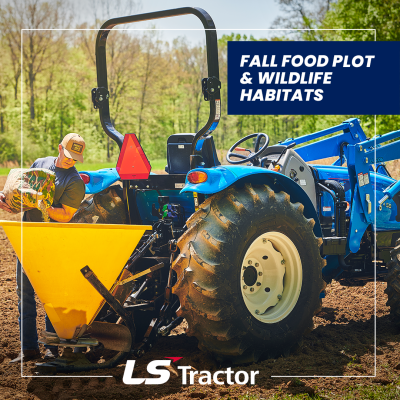
Once the soil is prepared, the next challenge is getting seed evenly distributed across the planting area. A seeder can help make large planting projects more consistent and efficient than broadcasting seed by hand. Depending on the type of seeder and seed being used, it can help landowners establish food plots, cover crops, grasses, or other plantings across an area. Before using any seeding equipment, follow the implement manufacturer’s recommendations for seed type, application rate, ground speed, and setup.
Good seed placement matters. So does choosing the right plant for the property. Rather than selecting a seed mix simply because it is marketed for wildlife, consider your specific goals and growing conditions. Spreading cool-season blends like clover, brassicas, winter rye, or oats are perfect for fall forage. A local agricultural extension service can be an excellent resource for determining what will perform best in your area.
-
Improve the Edges of Your Property
Some of the most valuable habitat on a rural property can occur where different environments meet. The edge between a wooded area and an open field, for example, can provide opportunities for both food and cover. Instead of maintaining every acre in exactly the same way, consider creating a mix of managed and natural areas.
You might maintain a mowed trail through taller vegetation, leave selected brushy areas intact, or establish native plants along field borders. This type of land management for wildlife can also make your property more enjoyable for people. Trails can provide access for walking, hunting, checking livestock, monitoring gardens, or simply exploring the land. A compact tractor can help maintain those access routes while allowing the surrounding habitat to remain more natural.
-
Build on Healthy Soil
Wildlife habitat and soil health are closely connected. Healthy soil supports healthy plants, and healthy plants provide the foundation for food and shelter throughout the ecosystem. That makes soil preparation an important part of any food plot or habitat project. Spreading compost or manure helps build long-term fertility and provides soil enrichment for future plantings.
Avoid treating tillage as a solution for every piece of ground. Depending on the project, excessive soil disturbance can work against your long-term goals. Consider what the site needs before deciding how much preparation is appropriate. Use equipment thoughtfully to support soil health and productive land rather than continually reshaping the property.
-
Plan for Wildlife Through the Whole Year
A fall food plot shouldn’t be viewed as a one-season project. As your work on your property, think about what wildlife will find in each season. What provides food in fall? Where will animals find cover in winter? What will bloom in spring? Where will birds nest during summer?
Autumn is the ideal season to complete habitat projects that benefit wildlife year-round. This long-term perspective can change how you approach mowing, clearing, planting, and maintaining your land. Instead of asking, “What should I clear?” consider asking, “What should I keep?” Instead of mowing everything, identify areas that could provide habitat. Instead of planting one crop everywhere, consider creating a mixture of food, cover, native grasses, shrubs and flowering plants. Small decisions can add up to meaningful improvements over time.
Make Fall Land Management Work for Your Property
Every property is different. A hunter may prioritize a deer food plot. A homesteader may want to increase biodiversity. Another landowner may simply want to make better use of an overgrown field.
There isn’t one right way to improve wildlife habitat. What matters is having a plan that fits your land and goals. For some landowners, that might mean planting a small fall food plot. For others, it could mean establishing native grasses, creating a pollinator area, improving field edges, or simply maintaining trails and natural cover.
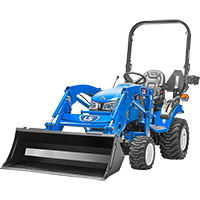
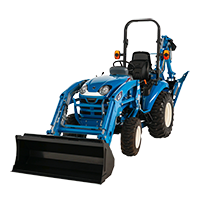
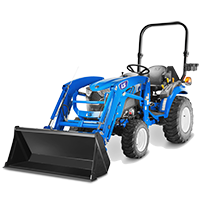
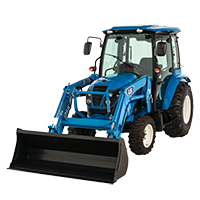
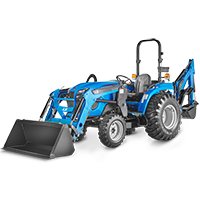
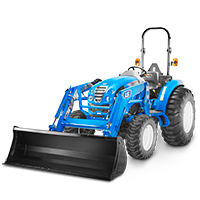
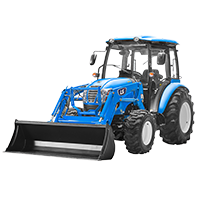
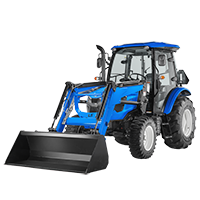
LS compact tractors empower landowners to take on meaningful fall projects with confidence:
- Perfect power-to-size ratio for small acreage
- Attachments that make habitat work efficient
- Comfortable operation for long days outdoors
- Reliable performance during heavy soil prep
A compact tractor can be an important part of that process by reducing the labor involved in preparing soil, planting seed, maintaining access, and managing acreage. Equipped with a rotary tiller, seeder, and other implements, an LS Tractor can give landowners the flexibility to tackle projects as their property evolves. The tractor is only the tool. The real project is the land.
Whether you’re creating a place for wildlife, improving your hunting property, supporting pollinators, or building a more diverse homestead, fall is an opportunity to invest in the acreage you care about.
And when spring arrives, you’ll have more than a food plot to show for the work. You’ll have a property that is becoming a little more productive, a little more diverse, and a little more connected to the natural world around it.
Published on August 24, 2026 and written by Kimberly Steele