


How to Rewild Your Lawn: Create a Pollinator Habitat with an LS Tractor
Wondering how to rewild your lawn? Creating a pollinator habitat with native wildflowers is one of the easiest ways to improve biodiversity, reduce maintenance, and support local wildlife. Whether you own five acres or fifty, this guide shows you how to rewild your lawn and how an LS Tractor can make the project easier from start to finish.
Every spring and summer, bees buzz from flower to flower, butterflies drift across fields, and hummingbirds dart between blossoms. These pollinators do far more than add beauty to the landscape – they help produce many of the fruits, vegetables, and flowers we rely on every day.
Unfortunately, pollinator populations continue to decline as natural habitats disappear. The good news? You don’t need hundreds of acres to make a difference.
Learning how to rewild your lawn is one of the easiest ways to improve your property while supporting bees, butterflies, hummingbirds, and other important pollinators. For rural homeowners and homesteaders, it’s a practical rural property improvement project that benefits both wildlife and your land.
Whether you own five acres or fifty, setting aside even a small portion of your property as a pollinator habitat can help restore biodiversity while creating a landscape that’s beautiful, low-maintenance, and beneficial for wildlife. Better yet, if you own an LS Tractor, you already have one of the best tools for creating and maintaining these natural spaces.
What Does It Mean to Rewild Your Lawn?
Rewilding doesn’t mean abandoning your property or letting weeds completely take over. Instead, it’s the intentional process of allowing portions of your landscape to return to a more natural state by replacing traditional turfgrass with native grasses, wildflowers, shrubs, and other plants that support local wildlife.
Traditional lawns often require frequent mowing, watering, fertilizers, and herbicides while offering very little food or shelter for pollinators. Even by converting a small section of lawn into a native habitat, you’re creating an ecosystem that works with nature rather than against it.
The best part? You don’t have to transform your entire property overnight.
Starting with a small area – perhaps a corner of your yard, a fence line, or an unused section of pasture – is enough to begin making an impact.
Why Pollinator Habitats Matter When You Rewild Your Lawn
Native pollinators play a critical role in healthy ecosystems. Bees, butterflies, moths, beetles, and hummingbirds pollinate countless flowering plants, fruit trees, vegetables, and crops. Creating habitat for these species offers benefits beyond helping wildlife.
A pollinator-friendly landscape can:
- Increase biodiversity on your property
- Improve soil health by encouraging natural plant communities
- Reduce mowing, watering and chemical use
- Create food and shelter for birds and beneficial insects
- Add seasonal color and visual interest
- Improve resilience during drought and changing weather conditions
For homesteaders and rural property owners, healthy pollinator populations can also improve garden productivity and support healthier orchards and food plots.
Start Small with a Native Pollinator Garden
One of the biggest misconceptions about rewilding lawns is that it has to happen all at once. Instead, think of your property as evolving over time.
A simple 5-by-5-foot planting bed can eventually become a thriving pocket of native flowers buzzing with bees and butterflies. As you gain confidence, you can expand these areas into larger meadow sections connected by natural borders or hedgerows.
Planting native wildflowers is one of the most important steps when you rewild your lawn. Native wildflowers are adapted to your local climate, require less maintenance, and provide nectar and pollen throughout the growing season.
Depending on your region, popular pollinator plants may include:
- Milkweed
- Purple coneflower
- Black-eyed Susan
- Goldenrod
- Little bluestem
- Joe-Pye weed
- Native asters
A diverse mix of species provides blooms throughout the growing season, ensuring pollinators always have a reliable food source.
How an LS Tractor Helps You Rewild Your Lawn
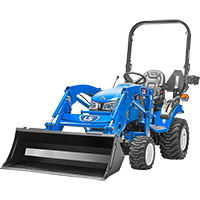
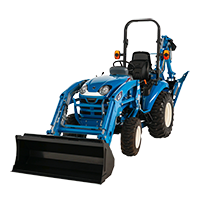
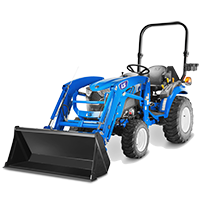
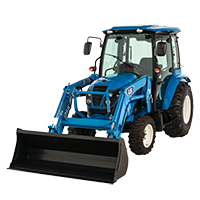
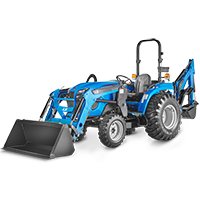
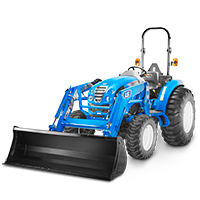
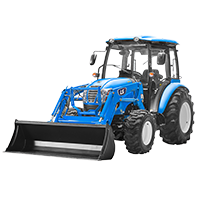
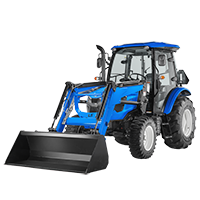
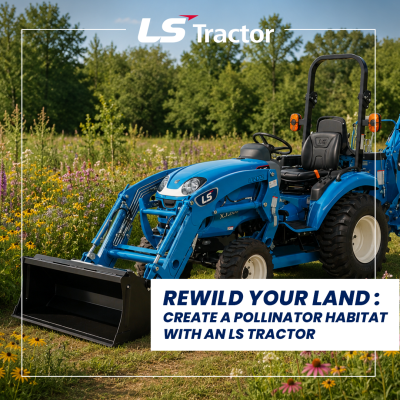
Creating a native meadow or pollinator garden is much easier when you have the right equipment. A compact tractor is one of the most valuable tools for land management, helping prepare seedbeds, remove unwanted vegetation, spread seed, and maintain trails throughout the habitat. An LS Tractor equipped with the proper implements can simplify nearly every stage of the process.
Prepare the Site
Most pollinator gardens begin by removing existing turfgrass or unwanted vegetation. Depending on the condition of your property, a rotary cutter can clear tall grass and brush, while a box blade or landscape rake helps level and prepare the planting area for seeding.
For larger projects, your front-end loader can quickly remove rocks, debris, old fencing, or brush piles before planting begins.
Improve the Soil
Healthy soil creates healthy plants. If compost or organic matter needs to be incorporated before planting, your loader can transport materials efficiently while reducing manual labor. Light tillage can also help prepare seedbeds where appropriate.
Native plants don’t require rich, heavily fertilized soil, but preparing the planting area properly helps improve establishment during the first growing season.
Plant Native Seed
Once the area is prepared, a tractor-mounted spreader makes broadcasting native seed across larger areas fast and consistent. Many landowners establish meadows during dormant seeding or frost seeding periods, allowing natural freeze-and-thaw cycles to work seed into the soil.
Whether you’re planting a quarter-acre or several acres, using your tractor saves significant time compared to hand seeding.
Create Walking Paths
One advantage of a managed meadow is that it remains accessible. Instead of mowing the entire area, use your tractor to maintain narrow walking paths through the flowers. These trails allow you to enjoy wildlife up close while defining the space and keeping it looking intentional.
The contrast between neatly maintained paths and natural vegetation creates an attractive landscape that feels both organized and inviting.
Pollinator-Friendly Landscaping Starts with Smarter Mowing
Pollinator-friendly landscapes don’t eliminate mowing – they simply change when and where you mow. Instead of cutting everything every week, consider leaving selected areas untouched throughout the growing season.
When mowing is necessary:
- Leave flowering areas intact during peak bloom.
- Rotate which sections are mowed each year.
- Maintain clean edges around native plantings.
- Save larger mowing projects for late fall or winter after most pollinators have completed their life cycles.
This approach preserves nesting habitat while still keeping your property neat and manageable.
Add the Finishing Touches
Pollinator-friendly landscapes become even more valuable when you include features that support wildlife throughout the year.
Consider adding:
- Bird baths or shallow water sources with stones for insects to land on
- Brush or log piles for shelter
- Native shrubs that provide berries and nesting cover
- Compost and leaf mulch to naturally enrich the soil
- Bee hotels for cavity-nesting native bees
Resist the urge to remove every fallen leaf. Leaves act as natural mulch while providing a winter habitat for many beneficial insects.
Stewardship Starts at Home
You don’t need to own a nature preserve to make a meaningful difference. Every native flower planted, every section of lawn converted into habitat, and every pollinator that finds food on your property contributes to a healthier ecosystem.
Whether you want to rewild your lawn, establish a pollinator garden, or create a native meadow, every project is an investment in healthier land. With an LS Tractor, rural property improvement projects like these become easier to accomplish while helping restore habitat for future generations.
At LS Tractor, we know our customers take pride in caring for their land. Creating pollinator habitat is another way to invest in your property – supporting wildlife today while helping ensure healthier landscapes for generations to come.
Published on July 20, 2026 and written by Kimberly Steele