


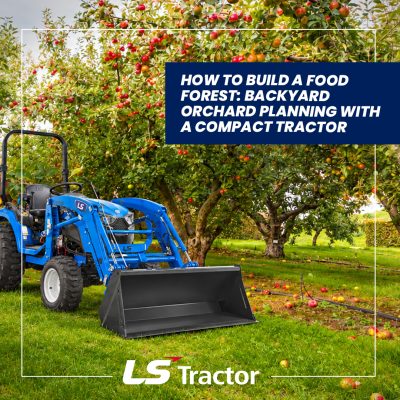
How to Build a Food Forest: Backyard Orchard Planning with a Compact Tractor
There is something special about growing your own food and enjoying the harvest throughout the year. Fresh strawberries and blueberries in early summer, peaches picked straight from the tree, crisp apples in the fall, and homemade jams or jellies pulled from the pantry in the middle of winter are just a few of the rewards of growing fruit at home. With the right mix of fruit trees, berry bushes, and nut-producing plants, a homestead can provide a variety of foods to eat fresh, freeze, dry, or preserve for later.
Building a food forest is a practical way to increase self-sufficiency while making productive use of your property. Whether you’re planning a backyard orchard, developing a food forest on small acreage, or adding perennial food crops to your homestead, successful results start with thoughtful planning and proper site preparation. Learn how to choose fruit trees, prepare orchard rows, plant trees efficiently, and maintain a productive landscape. With the right attachments, an LS compact tractor can help with tree planting, mowing, mulch transport, and other food forest development projects, making it easier to turn open land into a long-term source of homegrown food.
What is a Food Forest?
When people think about growing food at home, vegetable gardens often come to mind first. Tomatoes, peppers, corn, squash and other garden crops are popular choices, but food production doesn’t have to stop at the vegetable patch. Fruit trees, berry bushes, nut trees, and perennial edible plants can also become an important part of a productive homestead.
A food forest is a growing system that combines these plants in a landscape designed around natural growing conditions. Unlike a traditional vegetable garden that requires annual planting, many food forest plants return year after year, providing harvests with ongoing care.
A traditional backyard orchard typically focuses on fruit or nut trees planted in organized rows. A food forest takes a broader approach by incorporating trees alongside berry bushes, edible ground covers, perennial herbs, and other useful plants. Both approaches can help homesteaders make productive use of their land while creating a long-term source of fresh food.
Food forests can work on properties of many sizes. A small backyard might accommodate a few apple trees and berry bushes, while a larger rural property may have room for an orchard, nut trees, perennial crops, and additional edible plants.
The goal is to create a productive landscape that fits your property, growing conditions, and long-term plans. Starting small and expanding over time can make food forest development more manageable for first-time homesteaders.
Enjoy Homegrown Fruit and Berries Throughout the Year
One of the biggest benefits of establishing a backyard orchard or food forest is the opportunity to enjoy different harvests as the seasons change. With careful plant selection, you can extend the harvest window and produce a variety of fresh foods for your household.
Harvest timing depends on your growing zone, local weather, and the varieties you plant, but the following guide offers a general idea of what a homesteader might grow throughout the year.
| Season | Potential Harvests | Ways to Enjoy the Harvest |
| Spring | Strawberries in some climates, early berries, and certain early-ripening fruits | Fresh fruit, desserts, sauces, and early preserves |
| Summer | Blueberries, raspberries, blackberries, cherries, peaches, plums, and early figs | Fresh pies, smoothies, jams, and freezing |
| Fall | Apples, pears, late figs, grapes, persimmons, and many nuts | Applesauce, fruit butter, baked goods, dried fruit and storage |
| Winter | Stored apples and pears, properly stored nuts, and preserved summer and fall harvests | Jams, jellies, canned fruit, frozen berries, dried fruit, and baking |
Not every crop grows well in every climate, and some fruit trees take several years to produce a substantial harvest. However, choosing plants with different ripening periods can help spread the work and enjoyment across the growing season.
Turn Your Harvest into Food for Later
Fresh fruit is delicious straight from the tree or bush, but a large harvest can provide even more value when you preserve some of it for later.
- Jams and jellies: Strawberries, blueberries, raspberries, blackberries, peaches, and other fruits can become homemade spreads. Follow a tested recipe for the right proportions and safe processing method.
- Canned fruit and applesauce: Peaches, pears, apples and other suitable fruits can be preserved using tested home-canning recipes. Follow current food-safety guidance for processing times and methods.
- Frozen fruit and berries: Freezing is a convenient way to preserve much of the flavor and versatility of berries and sliced fruit. Frozen produce works well in smoothies, pies, sauces, oatmeal, and baked goods.
- Dried fruit: Apples pears, and other suitable fruits can be dried for snacks, trail mixes or baking.
- Fruit butters and sauces: Apples, peaches, and other fruits can be turned into spreads, toppings, and ingredients for meals throughout the year.
- Nuts for storage and cooking: Depending on the species, nuts such as pecans, walnuts, and hazelnuts can be harvested, properly dried and cured, and stored for snacks, baking and cooking.
Always use tested preservation recipes and appropriate food-safety procedures. Some foods require pressure canning rather than water-bath canning, so don’t assume every fruit-based recipe can be processed the same way.
A well-planned food forest can contribute much more than fresh produce for a few summer months. It can help stock the freezer and pantry, provide ingredients for homemade gifts, and reduce the need to purchase certain foods throughout the year.
How to Plan a Food Forest on Small Acreage
Before purchasing trees or preparing the soil, evaluate your property and decide what you want to grow. A thoughtful food forest design can help you make better use of available space, simplify maintenance, and support healthy plant growth.
Choose the Right Location
Most fruit trees need several hours of direct sunlight each day, and many varieties perform best in full sun. Look for an area that receives adequate sunlight and has soil conditions suited to the plants you intend to grow.
Drainage is another important consideration. Low spots that remain wet after rain may not be suitable for many fruit trees, while steep slopes can make planting and future maintenance more challenging. Observe how water moves across your property before deciding where to establish an orchard.
Consider access, too. Leave enough space to move supplies and equipment between planting areas. If you plan to use a compact tractor for mowing or transporting mulch, account for the tractor’s width and turning space when laying out your rows.
Select Fruit Trees for Your Growing Zone
Choose fruit and nut tree varieties that are suited to your local climate, soil, and growing season. Apples, pears, peaches, plums, figs, and other fruit trees may be appropriate depending on your location.
Check pollination requirements before purchasing trees. Some varieties produce fruit more reliably when a compatible pollinator variety grows nearby. You can also select trees that ripen at different times to spread your harvest throughout the growing season.
For a more diverse food forest, consider adding blueberries, blackberries, raspberries, nut trees, and perennial herbs. Research each plant’s soil, sunlight, and water requirements to make sure the varieties you select can grow successfully together.
Plan for Mature Tree Size
Young trees may take up very little room when first planted, but they need space as they mature. Follow recommended spacing for each variety, allowing room for branches, airflow, sunlight, and routine maintenance.
If you plan to maintain grass between orchard rows, include enough room for your mower and other equipment. Wider lanes can make it easier to manage vegetation, transport supplies, and access trees without damaging trunks or branches.
A simple layout with clearly defined rows is often a good starting point for a backyard orchard. As your experience grows, you can introduce additional plants and create a more diverse food forest.
Consider Watering and Long-Term Maintenance
Young fruit trees need regular attention as their roots become established. Before planting, consider how you will provide water during dry periods and manage weeds around each tree.
Think about pruning, pest monitoring, animal protection, and harvesting access as well. A plan that accounts for these recurring tasks can help prevent your food forest from becoming difficult to maintain as it grows.
How to Prepare and Plant a Backyard Orchard in a Weekend
Establishing a small backyard orchard can be a manageable weekend project when the site is prepared ahead of time. The amount of work depends on the number of trees, soil conditions, and whether the planting area needs clearing or grading.
Step 1: Prepare the Planting Area
Start by removing unwanted vegetation and identifying the area where your trees will grow. Address major drainage problems and surface irregularities before planting.
For an overgrown property, clear only the vegetation necessary to establish the orchard and access lanes. Avoid excessive soil disturbance, which can contribute to compaction and erosion.
Step 2: Mark Tree Locations and Rows
Use stakes or flags to mark each planting location according to your orchard plan. Check the distance between trees and rows before digging.
This is also the time to check for underground utilities, irrigation lines, and other obstacles. Contact the appropriate utility-locating service before digging wherever underground utilities may be present.
Step 3: Prepare Planting Holes
For a few trees, a shovel may be sufficient. Larger planting projects may benefit from a tractor-mounted auger when the equipment is compatible and soil conditions are appropriate.
Follow the nursery’s recommendations for planting-hole dimensions and preparation. Holes should accommodate the roots without being unnecessarily deep, and compacted or smooth hole walls should be addressed so roots can establish properly.
Step 4: Plant and Water Trees
Position each tree at the correct depth and arrange the roots according to the nursery’s planting instructions. Backfill with the excavated soil unless a soil test or specific planting recommendation indicates otherwise.
Water thoroughly after planting to settle the soil around the roots. Apply mulch around the root zone to help conserve moisture and moderate soil temperature, but keep it away from direct contact with the trunk.
Newly planted trees also benefit from protection against animals and competing vegetation. Establish a watering and inspection routine so you can address problems before they affect tree health.
Step 5: Establish a Maintenance Routine
Once the trees are planted, plan for watering, pruning, weed management, and seasonal inspections. Keep a record of tree varieties, planting dates, and maintenance tasks to help you track progress.
A weekend can get your backyard orchard started, but productive trees take time to establish. Consistent care during the first few growing seasons will help lay the groundwork for future harvests.
How a Compact Tractor Supports Orchard and Food Forest Development
When we think about tractors and farming, we often picture long rows of vegetables, fields of corn, or equipment working across open agricultural land. But farming and homesteading involves much more than annual crops. Orchards, berry patches, nut trees, and other perennial food systems also require land preparation, planting, vegetation management, and regular maintenance.
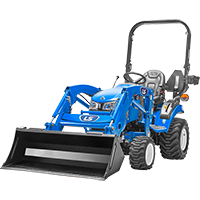
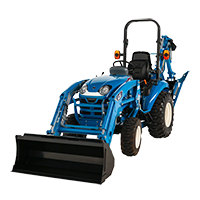
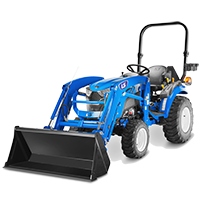
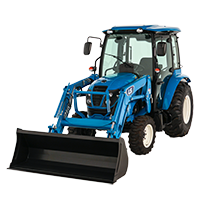
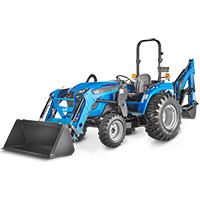
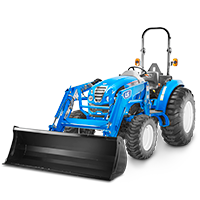
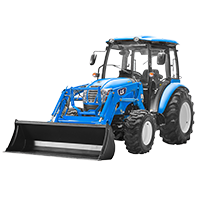
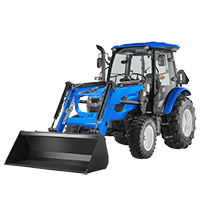
A compact tractor can be just as useful in these settings as it is in a traditional garden or field. With compatible implements, an LS tractor can help homesteaders establish orchard rows, move planting materials, and maintain the spaces around fruit trees as their food forest grows.
Tree Planting with a 3-Point Tractor Auger
When planting multiple trees, a compatible 3-point tractor auger can help prepare planting holes more efficiently than digging each one by hand. This can be especially useful when establishing an orchard across a larger area.
Choose equipment appropriate for your tractor and soil conditions, and follow the tree nursery’s planting recommendations for hole size and depth. Always follow the implement’s operating instructions and keep people clear of rotating equipment.
Mowing and Orchard Row Maintenance
Grass and weeds between orchard rows need regular management. A compatible rotary cutter or finish mower can help maintain accessible travel lanes, depending on vegetation height, terrain, and the desired finish.
Keep in mind that a food forest may include flowering plants, ground covers, and other vegetation that benefit pollinators or protect the soil. Consider which areas need routine mowing and which can be managed with a lighter touch. Around young trees, take care to avoid damaging trunks or shallow roots.
Moving Materials Around the Property
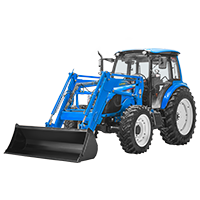
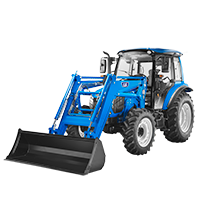
Establishing a food forest often requires transporting mulch, compost, fencing supplies, irrigation materials, and other essentials. A properly equipped front-end loader can help move these materials from storage or delivery areas to planting locations, reducing manual hauling.
Safe material handling is important. Use approved attachments, stay within the tractor’s rated capacity, secure loads as appropriate, and keep loads low during travel. Take extra care on slopes and uneven ground.
Transporting and Spreading Mulch
Mulch helps conserve soil moisture, moderate soil temperature, and suppress weeds around fruit trees. A compact tractor can transport bulk mulch closer to the orchard, where it can be spread by hand or with suitable equipment.
Apply mulch according to the needs of your trees and local recommendations. Keep it away from direct contact with trunks to reduce moisture-related damage and pest concerns.
When choosing a tractor and attachments for food forest development, consider your acreage, terrain, planting layout, and planned maintenance tasks. An LS Tractor dealer can help you identify equipment suited to your property and confirm compatibility with the implements you intend to use.
Build a More Diverse Food Forest Over Time
A food forest does not have to be completed in one season. Starting with a manageable number of trees gives you time to learn how your property responds to different plants, weather conditions, and maintenance practices before expanding.
As your orchard develops, consider adding different layers of useful plants.
- Fruit and nut trees: Establish the main canopy with varieties suited to your climate and available space.
- Berry bushes: Add blueberries, blackberries, raspberries, or other locally appropriate crops.
- Perennial herbs and edible plants: Incorporate suitable plants along borders or in sunny openings.
- Pollinator-friendly vegetation: Include flowering plants that provide nectar and pollen throughout the growing season.
- Ground covers and managed understory: Protect the soil, help manage weeds, and create a more diverse growing environment.
Choose plants with compatible light, water, and soil requirements. Some species spread aggressively or compete with fruit trees, so research mature size, root behavior, and maintenance needs before introducing them.
You can also stagger planting over several years. Establish the main trees first, then add shrubs, perennial crops, and other useful plants as you learn more about your property. This gradual approach can make it easier to manage costs, labor, and the needs of young trees.
Grow Your Own Food for Years to Come
A food forest offers more than a place to grow fruit. It creates opportunities to enjoy seasonal harvests, fill the pantry with homemade preserves, freeze berries for winter baking, and share homegrown food with family and friends. With careful planning, a collection of fruit trees, berry bushes, and nut-producing plants can become a valuable part of a more self-sufficient homestead.
Start with a manageable planting area, choose plants suited to your growing conditions, and create a maintenance plan you can sustain. As your orchard expands, a compact tractor can help with the work involved in planting trees, maintaining access lanes, and transporting materials.
Growing food isn’t limited to vegetable gardens or large agricultural fields. By adding perennial food crops to your property, you can develop a productive landscape that rewards your effort season after season. An LS compact tractor equipped with the right implements can help make food forest development more manageable, from preparing planting areas and moving mulch to maintaining orchard rows as your trees mature. As always, LS Tractor is here to support your property needs to ensure your backyard orchard or food forest can grow alongside your homesteading goals.
Published on October 19, 2026 and written by Kimberly Steele