Preparing Your Homestead for Winter: Essential Fall Projects for Your Property

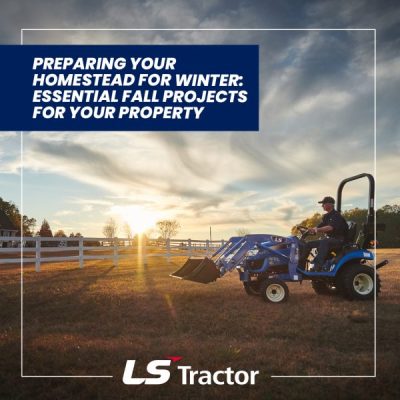
Preparing Your Homestead for Winter: Essential Fall Projects for Your Property

As temperatures drop and the growing season winds down, preparing your homestead for winter becomes a priority. From maintaining access roads and improving drainage to clearing overgrown fields and moving firewood, fall is an ideal time to tackle outdoor projects before freezing temperatures, snow, and ice arrive. A little planning now can help protect your property, reduce winter maintenance, and make spring cleanup easier.

For small-acreage owners and homesteaders, a compact tractor can make many of these seasonal tasks more manageable. With the right attachments, you can grade driveways, move materials, maintain pastures, clear vegetation, and address problem areas around your property. Whether you manage a few acres or a larger rural property, this fall property maintenance checklist will help you prioritize important projects and use your tractor to prepare your homestead for the colder months ahead.

Why Fall Is the Best Time to Prepare Your Homestead for Winter

Fall offers a valuable window to complete outdoor maintenance before frozen ground, snow, and ice make certain projects more difficult. Taking care of these tasks early can help prevent small problems from becoming bigger headaches during winter.

Start by walking your property and identifying areas that need attention. Look for low spots where water collects, ruts along driveways, overgrown fence lines, drainage ditches filled with leaves, and areas where fallen branches or dead vegetation could create problems. Check frequently used paths, barn entrances, gates, and equipment storage areas to make sure they will remain accessible in wet or snowy weather.

It is also a good time to organize firewood, move supplies closer to barns or outbuildings, and clear areas around structures. A well-maintained property is easier to navigate when daylight hours are shorter and outdoor work becomes less convenient.

The goal is not to complete every possible project before winter. Instead, focus on improvements that protect your land, support daily chores, and make your property safer and easier to maintain throughout the season.

Tractor Projects to Prepare Your Homestead for Winter

A compact tractor can help simplify many of the larger jobs on your fall to-do list. Depending on your property, equipment, and attachments, consider prioritizing these four tractor projects before winter weather sets in.

  1. Grade Your Driveway and Repair Ruts

A driveway that looks manageable in dry fall weather can become muddy, uneven, or difficult to navigate after repeated freeze-thaw cycles. Water that collects in ruts and low spots can contribute to erosion and leave you with more repairs to handle in spring.

Use a box blade to maintain gravel driveways, redistribute material, and address shallow ruts. A properly adjusted box blade can help pull loose gravel into low areas and smooth the surface. For longer driveways, focus on maintaining a suitable crown or cross-slope so water can drain away rather than pool along the driving surface.

A rear blade is another useful option for moving gravel and shaping driveway edges. It can also help maintain access lanes around barns, sheds, and other frequently visited areas.

Fall tip: Address drainage problems as part of driveway maintenance. Simply filling a rut without correcting the underlying water issue may leave you repeating the same repair next year.

  1. Improve Drainage Before the Ground Freezes

Good drainage is one of the most important parts of preparing a homestead for winter. Standing water near a home, greenhouse, or equipment shed can create muddy access points, contribute to erosion, and cause problems when temperatures fluctuate around freezing.

Walk your property after a rainstorm to identify where water travels and where it collects. Clear leaves and debris from drainage channels, inspect culverts, and look for areas where runoff crosses driveways or flows toward buildings.

A loader can help move soil, gravel, and other materials needed for minor grading and drainage improvements. A box blade can help reshape suitable areas and smooth disturbed ground. More involved projects, such as installing drainage systems or changing the flow of water near structures, may require specialized equipment or professional assistance.

Important: Plan drainage improvements so water flows toward appropriate outlets without flooding neighboring properties, damaging streams, or causing new erosion problems. Check local requirements before altering waterways or drainage routes.

  1. Clear Overgrown Areas and Maintain Pastures

Fall is also a good time to clean up fields, pasture edges, trails, and fence lines. Tall weeds, brush, and dead vegetation can make it harder to inspect fencing, access gates, and identify obstacles around your property.

A rotary cutter can help maintain suitable grassy areas and manage certain types of weeds and light brush, depending on the cutter’s specifications and the vegetation involved. Clearing these areas in fall can improve access for winter chores and make it easier to assess the condition of your land.

Before mowing, walk the area to identify rocks, stumps, wire, and other hidden obstacles. Follow the rotary cutter manufacturer’s guidelines for vegetation size, operating conditions, and safe use.

Avoid cutting desirable wildlife habitat unnecessarily. Leaving selected areas of native grasses, seed heads, and beneficial vegetation standing can provide winter cover and food for wildlife while still allowing you to maintain essential access routes.

  1. Move Firewood, Feed, and Winter Supplies

Winter preparation involves more than maintaining the land. Homesteaders also need to make sure essential supplies are accessible when snow, ice, or muddy conditions make daily chores more challenging.

A front-end loader can help transport firewood, gravel, bedding, feed, and other materials around your property. Use it to organize supplies near designated storage areas, maintain access to barns and sheds, and move materials before winter weather limits your options.

Plan ahead for the supplies you use most often. Keep frequently needed materials in accessible locations, maintain clear routes to livestock areas, and make sure firewood is stored according to safe practices with appropriate ventilation and clearance from buildings.

When using a loader, keep loads within the tractor’s rated capacity, carry materials low while traveling, and follow the operator’s manual for stability, ballast, and safe operation.

Fall Property Maintenance Checklist for Small-Acreage Owners

If you are not sure where to start, use this fall property maintenance checklist to organize your work. Walking the property before temperatures drop can help you identify the jobs that deserve attention first.

Use this checklist as a starting point and adjust it to your acreage, climate, and property needs:

  • Inspect and maintain driveways. Fill problem areas, redistribute gravel, and improve drainage before winter precipitation arrives.
  • Check drainage paths. Clear leaves and debris from ditches, culverts, and suitable drainage channels.
  • Trim vegetation. Mow appropriate fields and access areas, and clear overgrowth that blocks gates, trails, or fence inspections.
  • Inspect fences and gates. Repair damaged sections and make sure livestock enclosures and access points are ready for winter.
  • Prepare barns and outbuildings. Clear entrances, move supplies into storage, and check access routes for mud or standing water.
  • Organize firewood and winter supplies. Move materials where they will be convenient to access while keeping storage areas safe and orderly.
  • Clear storm debris. Remove fallen branches and other obstacles from roads, trails, and frequently used areas.
  • Protect equipment. Clean implements, inspect for wear, lubricate components as directed, and store equipment according to the manufacturer’s recommendations.
  • Plan for snow and ice. Identify the areas that must remain accessible, including entrances, driveways, livestock shelters, and paths to essential utilities.
  • Review spring projects. Make note of larger repairs or improvements that cannot reasonably be completed before the ground freezes.

Completing the highest-priority tasks first can save time and help you avoid scrambling to make repairs when winter weather arrives.

Essential Fall Land Improvements Before the Ground Freezes

Some property improvements are easier to complete when the ground is workable and conditions allow equipment to operate safely. If you have larger projects planned, fall may be your last practical opportunity to address them before winter.

Repair Erosion and Uneven Ground

Heavy rain can wash soil away from slopes, trails, and driveway edges. Inspect these areas for exposed roots, small gullies, and places where runoff is carrying gravel or soil downhill.

A box blade or loader can help with suitable grading and material-moving tasks. However, avoid working saturated soil, which can lead to compaction, rutting, and additional damage. For steep slopes or serious erosion, consider whether professional help or a more comprehensive stabilization plan is needed.

Maintain Access Roads and Trails

Rural property owners often rely on private roads and trails to reach woodlots, pastures, storage buildings, and other parts of the property. Uneven surfaces and overgrown edges can become more difficult to manage in wet or snowy weather.

Use a rear blade or box blade to maintain suitable gravel surfaces, smooth minor irregularities, and help direct water away from travel routes. A rotary cutter can maintain appropriate vegetation along trail edges, improving visibility and access.

Prioritize the routes you use for daily chores and emergency access. You may not need every trail in perfect condition, but the areas essential to your routine should be ready for winter.

Prepare Garden and Greenhouse Areas

Even when the growing season slows, gardens and greenhouses still benefit from seasonal maintenance. Clear spent annual plants where appropriate, remove diseased plant material, and organize compost, mulch, and other supplies. Check paths and surrounding ground for places where water collects.

A loader can move compost, mulch and soil, while a box blade can help maintain suitable access paths and work areas. Avoid unnecessary tillage or driving over wet garden soil, especially where you want to preserve soil structure for spring planting.

For homesteaders planning to expand food production next year, fall is also a useful time to evaluate garden access, storage areas, and the layout of growing spaces.

How to Use Tractor Attachments & Implements for Seasonal Maintenance

The right tractor attachment can make seasonal maintenance more efficient, but each implement serves a different purpose. Choosing the right tool for the job helps you complete projects more effectively while avoiding unnecessary wear on your equipment or property.

Box Blade: Driveway and Ground Maintenance

A box blade is useful for maintaining gravel driveways, redistributing material, and smoothing certain uneven surfaces. Its cutting edges and scarifiers can help loosen compacted material before it is redistributed, depending on the conditions and attachment setup.

Use it to address shallow ruts and maintain suitable surfaces around driveways, storage areas, and access lanes. For best results, work in manageable passes and avoid trying to move too much material at once.

Front-End Loader: Moving Materials and Clearing Debris

A front-end loader is a versatile tool for fall cleanup. It can help move gravel, soil, compost, firewood, and other materials, as well as assist with clearing loose debris from work areas.

It is particularly useful when you need to move supplies between different parts of your property. Always account for the weight and position of the load, use appropriate ballast, and follow the tractor and loader operating instructions.

Rear Blade: Maintaining Driveways and Access Roads

A rear blade can help spread gravel, shape suitable surfaces, maintain driveway edges, and move loose material. Its adjustable angle allows you to direct material to one side, making it useful for certain grading and cleanup tasks.

Depending on your climate and equipment setup, a rear blade may also serve as a winter maintenance tool for suitable snow-clearing applications. Check the implement manufacturer’s recommendations and your tractor’s operating guidance before use.

Rotary Cutter: Managing Grass and Light Brush

A rotary cutter helps maintain fields, pasture edges, and other areas where vegetation growth needs to be controlled. Fall mowing can make fence inspections and property access easier, but it is important to match the cutter to the vegetation and leave beneficial habitat where practical.

Before starting, inspect the work area, confirm that guards and safety equipment are in place, and follow all recommended operating procedures.

Remember: Not every compact tractor or attachment is suited to every task. Verify horsepower requirements, implement compatibility, lift capacity, ballast needs, and operating limits before beginning a project.

Make Winter Preparation Part of Your Homestead Routine

Preparing your homestead for winter does not have to mean completing every outdoor project before the first frost. A thoughtful approach helps you focus on the improvements that will make the biggest difference in safety, access, and day-to-day maintenance.

Start with drainage, driveways, and essential access routes. Next, address vegetation, fences, storage areas, and winter supplies. If time and weather allow, take care of larger land improvements before frozen or saturated ground makes the work more difficult.

LS Tractor offers a variety of machines, that when equipped with the right implements, can help homesteaders manage these seasonal projects, from maintaining gravel driveways with a box blade to moving supplies with a loader and keeping suitable areas clear with a rotary cutter. With a little planning in the fall, you can head into winter with a more organized property and a clearer plan for the season ahead.

Winter may slow down some outdoor projects, but it also provides an opportunity to plan improvements for the coming year. Take stock of what worked, note the areas that need attention, and use the quieter months to prepare for another productive season on your homestead.


Published on October 29, 2026 and written by Kimberly Steele
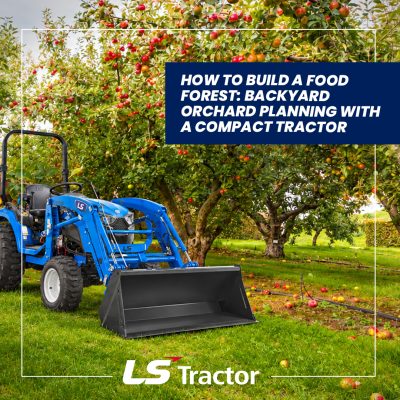
How to Build a Food Forest: Backyard Orchard Planning with a Compact Tractor

How to Build a Food Forest: Backyard Orchard Planning with a Compact Tractor

There is something special about growing your own food and enjoying the harvest throughout the year. Fresh strawberries and blueberries in early summer, peaches picked straight from the tree, crisp apples in the fall, and homemade jams or jellies pulled from the pantry in the middle of winter are just a few of the rewards of growing fruit at home. With the right mix of fruit trees, berry bushes, and nut-producing plants, a homestead can provide a variety of foods to eat fresh, freeze, dry, or preserve for later.

Building a food forest is a practical way to increase self-sufficiency while making productive use of your property. Whether you’re planning a backyard orchard, developing a food forest on small acreage, or adding perennial food crops to your homestead, successful results start with thoughtful planning and proper site preparation. Learn how to choose fruit trees, prepare orchard rows, plant trees efficiently, and maintain a productive landscape. With the right attachments, an LS compact tractor can help with tree planting, mowing, mulch transport, and other food forest development projects, making it easier to turn open land into a long-term source of homegrown food.

What is a Food Forest?

When people think about growing food at home, vegetable gardens often come to mind first. Tomatoes, peppers, corn, squash and other garden crops are popular choices, but food production doesn’t have to stop at the vegetable patch. Fruit trees, berry bushes, nut trees, and perennial edible plants can also become an important part of a productive homestead.

A food forest is a growing system that combines these plants in a landscape designed around natural growing conditions. Unlike a traditional vegetable garden that requires annual planting, many food forest plants return year after year, providing harvests with ongoing care.

A traditional backyard orchard typically focuses on fruit or nut trees planted in organized rows. A food forest takes a broader approach by incorporating trees alongside berry bushes, edible ground covers, perennial herbs, and other useful plants. Both approaches can help homesteaders make productive use of their land while creating a long-term source of fresh food.

Food forests can work on properties of many sizes. A small backyard might accommodate a few apple trees and berry bushes, while a larger rural property may have room for an orchard, nut trees, perennial crops, and additional edible plants.

The goal is to create a productive landscape that fits your property, growing conditions, and long-term plans. Starting small and expanding over time can make food forest development more manageable for first-time homesteaders.

Enjoy Homegrown Fruit and Berries Throughout the Year

One of the biggest benefits of establishing a backyard orchard or food forest is the opportunity to enjoy different harvests as the seasons change. With careful plant selection, you can extend the harvest window and produce a variety of fresh foods for your household.

Harvest timing depends on your growing zone, local weather, and the varieties you plant, but the following guide offers a general idea of what a homesteader might grow throughout the year.

Season Potential Harvests Ways to Enjoy the Harvest
Spring Strawberries in some climates, early berries, and certain early-ripening fruits Fresh fruit, desserts, sauces, and early preserves
Summer Blueberries, raspberries, blackberries, cherries, peaches, plums, and early figs Fresh pies, smoothies, jams, and freezing
Fall Apples, pears, late figs, grapes, persimmons, and many nuts Applesauce, fruit butter, baked goods, dried fruit and storage
Winter Stored apples and pears, properly stored nuts, and preserved summer and fall harvests Jams, jellies, canned fruit, frozen berries, dried fruit, and baking


Not every crop grows well in every climate, and some fruit trees take several years to produce a substantial harvest. However, choosing plants with different ripening periods can help spread the work and enjoyment across the growing season.

Turn Your Harvest into Food for Later

Fresh fruit is delicious straight from the tree or bush, but a large harvest can provide even more value when you preserve some of it for later.

  • Jams and jellies: Strawberries, blueberries, raspberries, blackberries, peaches, and other fruits can become homemade spreads. Follow a tested recipe for the right proportions and safe processing method.
  • Canned fruit and applesauce: Peaches, pears, apples and other suitable fruits can be preserved using tested home-canning recipes. Follow current food-safety guidance for processing times and methods.
  • Frozen fruit and berries: Freezing is a convenient way to preserve much of the flavor and versatility of berries and sliced fruit. Frozen produce works well in smoothies, pies, sauces, oatmeal, and baked goods.
  • Dried fruit: Apples pears, and other suitable fruits can be dried for snacks, trail mixes or baking.
  • Fruit butters and sauces: Apples, peaches, and other fruits can be turned into spreads, toppings, and ingredients for meals throughout the year.
  • Nuts for storage and cooking: Depending on the species, nuts such as pecans, walnuts, and hazelnuts can be harvested, properly dried and cured, and stored for snacks, baking and cooking.

Always use tested preservation recipes and appropriate food-safety procedures. Some foods require pressure canning rather than water-bath canning, so don’t assume every fruit-based recipe can be processed the same way.

A well-planned food forest can contribute much more than fresh produce for a few summer months. It can help stock the freezer and pantry, provide ingredients for homemade gifts, and reduce the need to purchase certain foods throughout the year.

How to Plan a Food Forest on Small Acreage

Before purchasing trees or preparing the soil, evaluate your property and decide what you want to grow. A thoughtful food forest design can help you make better use of available space, simplify maintenance, and support healthy plant growth.

Choose the Right Location

Most fruit trees need several hours of direct sunlight each day, and many varieties perform best in full sun. Look for an area that receives adequate sunlight and has soil conditions suited to the plants you intend to grow.

Drainage is another important consideration. Low spots that remain wet after rain may not be suitable for many fruit trees, while steep slopes can make planting and future maintenance more challenging. Observe how water moves across your property before deciding where to establish an orchard.

Consider access, too. Leave enough space to move supplies and equipment between planting areas. If you plan to use a compact tractor for mowing or transporting mulch, account for the tractor’s width and turning space when laying out your rows.

Select Fruit Trees for Your Growing Zone

Choose fruit and nut tree varieties that are suited to your local climate, soil, and growing season. Apples, pears, peaches, plums, figs, and other fruit trees may be appropriate depending on your location.

Check pollination requirements before purchasing trees. Some varieties produce fruit more reliably when a compatible pollinator variety grows nearby. You can also select trees that ripen at different times to spread your harvest throughout the growing season.

For a more diverse food forest, consider adding blueberries, blackberries, raspberries, nut trees, and perennial herbs. Research each plant’s soil, sunlight, and water requirements to make sure the varieties you select can grow successfully together.

Plan for Mature Tree Size

Young trees may take up very little room when first planted, but they need space as they mature. Follow recommended spacing for each variety, allowing room for branches, airflow, sunlight, and routine maintenance.

If you plan to maintain grass between orchard rows, include enough room for your mower and other equipment. Wider lanes can make it easier to manage vegetation, transport supplies, and access trees without damaging trunks or branches.

A simple layout with clearly defined rows is often a good starting point for a backyard orchard. As your experience grows, you can introduce additional plants and create a more diverse food forest.

Consider Watering and Long-Term Maintenance

Young fruit trees need regular attention as their roots become established. Before planting, consider how you will provide water during dry periods and manage weeds around each tree.

Think about pruning, pest monitoring, animal protection, and harvesting access as well. A plan that accounts for these recurring tasks can help prevent your food forest from becoming difficult to maintain as it grows.

How to Prepare and Plant a Backyard Orchard in a Weekend

Establishing a small backyard orchard can be a manageable weekend project when the site is prepared ahead of time. The amount of work depends on the number of trees, soil conditions, and whether the planting area needs clearing or grading.

Step 1: Prepare the Planting Area

Start by removing unwanted vegetation and identifying the area where your trees will grow. Address major drainage problems and surface irregularities before planting.

For an overgrown property, clear only the vegetation necessary to establish the orchard and access lanes. Avoid excessive soil disturbance, which can contribute to compaction and erosion.

Step 2: Mark Tree Locations and Rows

Use stakes or flags to mark each planting location according to your orchard plan. Check the distance between trees and rows before digging.

This is also the time to check for underground utilities, irrigation lines, and other obstacles. Contact the appropriate utility-locating service before digging wherever underground utilities may be present.

Step 3: Prepare Planting Holes

For a few trees, a shovel may be sufficient. Larger planting projects may benefit from a tractor-mounted auger when the equipment is compatible and soil conditions are appropriate.

Follow the nursery’s recommendations for planting-hole dimensions and preparation. Holes should accommodate the roots without being unnecessarily deep, and compacted or smooth hole walls should be addressed so roots can establish properly.

Step 4: Plant and Water Trees

Position each tree at the correct depth and arrange the roots according to the nursery’s planting instructions. Backfill with the excavated soil unless a soil test or specific planting recommendation indicates otherwise.

Water thoroughly after planting to settle the soil around the roots. Apply mulch around the root zone to help conserve moisture and moderate soil temperature, but keep it away from direct contact with the trunk.

Newly planted trees also benefit from protection against animals and competing vegetation. Establish a watering and inspection routine so you can address problems before they affect tree health.

Step 5: Establish a Maintenance Routine

Once the trees are planted, plan for watering, pruning, weed management, and seasonal inspections. Keep a record of tree varieties, planting dates, and maintenance tasks to help you track progress.

A weekend can get your backyard orchard started, but productive trees take time to establish. Consistent care during the first few growing seasons will help lay the groundwork for future harvests.

How a Compact Tractor Supports Orchard and Food Forest Development

When we think about tractors and farming, we often picture long rows of vegetables, fields of corn, or equipment working across open agricultural land. But farming and homesteading involves much more than annual crops. Orchards, berry patches, nut trees, and other perennial food systems also require land preparation, planting, vegetation management, and regular maintenance.

A compact tractor can be just as useful in these settings as it is in a traditional garden or field. With compatible implements, an LS tractor can help homesteaders establish orchard rows, move planting materials, and maintain the spaces around fruit trees as their food forest grows.

Tree Planting with a 3-Point Tractor Auger

When planting multiple trees, a compatible 3-point tractor auger can help prepare planting holes more efficiently than digging each one by hand. This can be especially useful when establishing an orchard across a larger area.

Choose equipment appropriate for your tractor and soil conditions, and follow the tree nursery’s planting recommendations for hole size and depth. Always follow the implement’s operating instructions and keep people clear of rotating equipment.

Mowing and Orchard Row Maintenance

Grass and weeds between orchard rows need regular management. A compatible rotary cutter or finish mower can help maintain accessible travel lanes, depending on vegetation height, terrain, and the desired finish.

Keep in mind that a food forest may include flowering plants, ground covers, and other vegetation that benefit pollinators or protect the soil. Consider which areas need routine mowing and which can be managed with a lighter touch. Around young trees, take care to avoid damaging trunks or shallow roots.

Moving Materials Around the Property

Establishing a food forest often requires transporting mulch, compost, fencing supplies, irrigation materials, and other essentials. A properly equipped front-end loader can help move these materials from storage or delivery areas to planting locations, reducing manual hauling.

Safe material handling is important. Use approved attachments, stay within the tractor’s rated capacity, secure loads as appropriate, and keep loads low during travel. Take extra care on slopes and uneven ground.

Transporting and Spreading Mulch

Mulch helps conserve soil moisture, moderate soil temperature, and suppress weeds around fruit trees. A compact tractor can transport bulk mulch closer to the orchard, where it can be spread by hand or with suitable equipment.

Apply mulch according to the needs of your trees and local recommendations. Keep it away from direct contact with trunks to reduce moisture-related damage and pest concerns.

When choosing a tractor and attachments for food forest development, consider your acreage, terrain, planting layout, and planned maintenance tasks. An LS Tractor dealer can help you identify equipment suited to your property and confirm compatibility with the implements you intend to use.

Build a More Diverse Food Forest Over Time

A food forest does not have to be completed in one season. Starting with a manageable number of trees gives you time to learn how your property responds to different plants, weather conditions, and maintenance practices before expanding.

As your orchard develops, consider adding different layers of useful plants.

  • Fruit and nut trees: Establish the main canopy with varieties suited to your climate and available space.
  • Berry bushes: Add blueberries, blackberries, raspberries, or other locally appropriate crops.
  • Perennial herbs and edible plants: Incorporate suitable plants along borders or in sunny openings.
  • Pollinator-friendly vegetation: Include flowering plants that provide nectar and pollen throughout the growing season.
  • Ground covers and managed understory: Protect the soil, help manage weeds, and create a more diverse growing environment.

Choose plants with compatible light, water, and soil requirements. Some species spread aggressively or compete with fruit trees, so research mature size, root behavior, and maintenance needs before introducing them.

You can also stagger planting over several years. Establish the main trees first, then add shrubs, perennial crops, and other useful plants as you learn more about your property. This gradual approach can make it easier to manage costs, labor, and the needs of young trees.

Grow Your Own Food for Years to Come

A food forest offers more than a place to grow fruit. It creates opportunities to enjoy seasonal harvests, fill the pantry with homemade preserves, freeze berries for winter baking, and share homegrown food with family and friends. With careful planning, a collection of fruit trees, berry bushes, and nut-producing plants can become a valuable part of a more self-sufficient homestead.

Start with a manageable planting area, choose plants suited to your growing conditions, and create a maintenance plan you can sustain. As your orchard expands, a compact tractor can help with the work involved in planting trees, maintaining access lanes, and transporting materials.

Growing food isn’t limited to vegetable gardens or large agricultural fields. By adding perennial food crops to your property, you can develop a productive landscape that rewards your effort season after season. An LS compact tractor equipped with the right implements can help make food forest development more manageable, from preparing planting areas and moving mulch to maintaining orchard rows as your trees mature. As always, LS Tractor is here to support your property needs to ensure your backyard orchard or food forest can grow alongside your homesteading goals.


Published on October 19, 2026 and written by Kimberly Steele
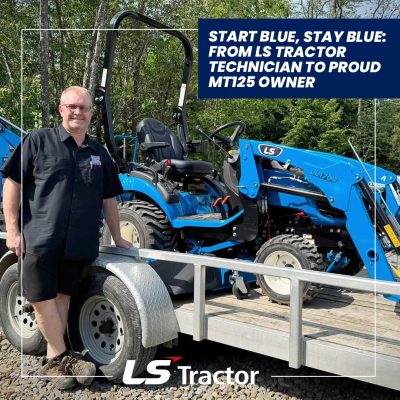
Start Blue, Stay Blue: From LS Tractor Technician to LS MT125 Owner

Start Blue, Stay Blue: From LS Tractor Technician to LS MT125 Owner

For some tractor owners, choosing the right machine comes down to comparing horsepower, attachments, and price. For Jeffrey Wolfe, the decision to buy an LS MT125 compact tractor came from firsthand experience working on LS Tractors as a service technician.

At Myers Motorsports in Kane, Pennsylvania, Jeffrey prepares new LS Tractors for customers, performs maintenance, and sees how the machines are built. When it came time to choose a tractor for the four-acre camp he shares with his wife, he decided to put that experience to work for himself.

From the Service Bay to His Own Property

Jeffrey joined Myers Motorsports in October 2025. His responsibilities include diagnosing and repairing customer equipment, preparing new and used units for sale, performing Pennsylvania state safety inspections, and getting new LS Tractors ready for their owners.

When a new LS Tractor arrives at the dealership, Jeffrey brings it into the shop for a thorough pre-delivery inspection. He checks fluid levels and tire pressures, inspects for defects, verifies hydraulic operation, checks for leaks, greases the tractor and its attachments, and tests its functions. He also checks wheel nut torque and makes any necessary corrections before the tractor is ready for sale.

After a customer purchases an LS tractor, Jeffrey gives it another inspection, washes it, and completes the final preparations before delivery.

That hands-on experience has given him a close look at the details that matter when maintaining a tractor over the long term. He pays attention to service accessibility, fluid filtration, paint quality, and the availability of grease fittings on moving parts.

Those details helped shape his own buying decision. “I had owned tractors in the past, and working on the LS tractors every day, I learned to appreciate the quality in each one,” Jeffrey explained.

When an LS Tractor financing offer of zero percent interest for up to 120 months became available, the timing was right. Jeffrey decided to make the move and purchase an LS MT125 of his own.

Why the LS MT125 Was the Right Fit

Jeffrey and his wife own a camp on approximately four acres, where maintaining the property and making improvements are ongoing projects. He wanted a tractor capable of handling a variety of jobs without taking up more space than necessary.

The compact size of the LS MT125 made it an appealing choice, even with the front loader and backhoe attachment. The combination gives him the flexibility to handle different tasks around the property with one machine.

“I like the quality, the ease of servicing, and they are quite comfortable to use,” Jeffrey said of LS tractors.

His plans for the MT125 included mowing, cleaning ditch lines, moving fallen trees, and removing snow. He also chose a thumb attachment for the backhoe bucket, giving him another useful option for handling logs and other materials.

For Jeffrey, the tractor’s versatility has made a noticeable difference in what he can accomplish around his camp. Jeffrey says, “I love it! I have used it on all my projects I wanted to complete and have found new projects to do now that I have an LS tractor.”

A Technician’s Perspective on Tractor Quality

When shopping for a tractor, buyers often focus on horsepower, loader capacity, and the jobs a machine can perform. Jeffrey encourages prospective owners to consider another important factor: how easy the tractor will be to maintain throughout its working life.

As a service technician, he knows that routine maintenance is essential to keeping equipment operating as it should. He particularly appreciates the grease fittings found throughout LS tractors and their implements.

“Always look for multiple grease fittings” Jeffrey said. “In an age when manufacturers are going to greaseless fittings and bearings, I’m old school and recognize the importance of being able to apply grease to moving parts.”

He also appreciates the placement of filters and drainplugs, which makes routine service tasks such as oil and filter changes easier to perform.

These features might not be the first things a buyer notices while walking around a dealership lot, but they matter to someone who works on tractors regularly. Accessible service points and straightforward maintenance procedures can make routine upkeep more convenient for owners who prefer to do some of their own maintenance.

Jeffrey’s advice to prospective tractor buyers is to look beyond appearance and consider overall quality, ease of service, and the support available after the purchase. For him, a tractor is a long-term investment. He wants equipment that can handle years of work, provided it receives the maintenance and care it needs.

Confidence in the Product – and the Support Behind It

Jeffrey’s confidence in LS Tractor comes from more than inspecting new machines. He has also worked with LS tractors that come into the dealership for service and has seen how the company responds when an issue arises.

During his time at Myers Motorsports, he has encountered only a couple of minor warranty claims involving LS Tractors. He says LS stood behind its product and took care of the customers. That experience reinforced his appreciation for the brand and highlighted the importance of customer service and warranty support when choosing equipment.

For someone who helps customers prepare for years of ownership, those considerations carry weight. A well-built tractor is important, but knowing that support is available when needed is another part of the ownership experience.

Jeffrey’s dual role gives him the opportunity to see both sides: the importance of proper preparation and maintenance at the dealership and the value of dependable equipment once it reaches a customer’s property.

“LS tractors are good, sturdy built units made to last many years,” Jeffrey says. “When investing in a tractor, you’re investing in it for a very long time.”

First Project: Horseshoe Pits at the Camp

One of Jeffrey’s first projects with this MT125 was something he had wanted to do for years: install horseshoe pits at the camp. It was a fitting way to put his new tractor to work. Beyond helping with routine property maintenance, the MT125 gave him another way to turn long-planned ideas into finished projects.

Since then, the list of possibilities has continued to grow. Mowing, clearing ditches, moving fallen trees, and preparing for winter weather have all been part of his plans, but he has also discovered projects he might never have considered before owning a tractor.

That flexibility is one of the advantages of having a compact tractor available when a need arises. A project that once required considerable manual labor or outside help may become more manageable with the right machine and attachments.

For Jeffrey, the MT125 is helping him make better use of his property while giving him more opportunities to improve the place he and his wife enjoy.

Proud to Work on LS Tractors – and Own One

Jeffrey takes pride in both parts of his relationship with LS Tractor. At Myers Motorsports, he helps prepare equipment for customers and keeps their machines in working order. At home, he gets to experience the benefits of owning an LS tractor firsthand.

That personal connection means he can speak to customers not only from a technician’s perspective, but also from the perspective of someone who chose to invest in the brand himself.

“I’m very proud to own one, and I’m proud of the fact I can brag to our customers that I not only work on them, I have enough faith that I bought one myself – and it’s a good-looking blue tractor!”

When asked to describe his LS tractor in three words, Jeffery chose:

“Reliable.”

“Longevity.”

“Quality.”

Those words reflect what matters most to him: a sturdy, well-built machine that is straightforward to maintain and ready to help with the work ahead.

His experience also illustrates an important part of the LS Tractor ownership story. A tractor is not simply a purchase for one project or one season. It is an investment in the property, plans, and possibilities that unfold over time.

For Jeffrey Wolfe, the decision to buy an LS MT125 came after seeing the brand from the service bay. Now, as he puts his tractor to work at his own camp, he has another reason to be proud of the blue machine in his garage.

And when customers at Myers Motorsports ask him about LS tractors, he can tell them something beyond what he has learned on the job: he chose one for himself, too.

Jeffrey Wolfe is a service technician at Myers Motorsports. Myers Motorsports is a family-owned and operated powersports and tractor dealership located in Kane, Pennsylvania. Driven by a passion for the outdoors and quality machinery, they proudly serve riders, landowners, and enthusiasts across the PA Wilds and beyond.

Myers Motorsports
162 Willow Run Drive
Kane, PA 16735
(814) 779-3745


Published on October 12, 2026 and written by Kimberly Steele
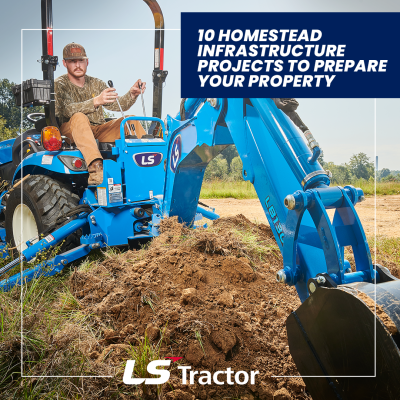
10 Homestead Infrastructure Projects to Prepare Your Property

10 Homestead Infrastructure Projects to Prepare Your Property

Building a homestead takes more than a house and a few acres. From gravel driveways and barn sites to fencing, drainage, gardens, and equipment areas, homestead infrastructure projects help make rural property functional, accessible, and easier to maintain. For new acreage owners, a compact tractor can be a valuable tool for many of these projects. With the right attachments, a tractor can help with site preparation, grading, material movement, drainage work, mowing, and ongoing property maintenance.

Whether you’re starting with undeveloped acreage or improving an established property, these 10 homestead projects can help you build a stronger foundation for the future.

  1. Build and Maintain a Gravel Driveway

A reliable driveway is one of the first improvements many new homesteaders need to make. Whether you’re starting with a rough farm lane or creating an entirely new entrance, proper preparation can make a major difference in how the driveway performs over time.

A compact tractor equipped with a box blade, land plane, or rear blade can help with several stages of the project. The tractor can move and spread gravel, shape the driveway surface, and help maintain it after heavy rain or seasonal wear. Maintaining your own driveways can reduce contractor and equipment costs.

For larger excavation or base-preparation work, professional assistance may be appropriate. But once the driveway is established, having the right equipment on the property can make routine maintenance much more manageable.

LS Tractor Applications:

  • Grading and leveling gravel
  • Spreading aggregate
  • Maintaining driveway edges
  • Filling ruts and low spots
  • Moving materials with a front-end loader
  1. Prepare a Barn or Outbuilding Site

A barn, workshop, equipment shed, or livestock shelter needs more than four walls and a roof. The site needs to be accessible, reasonably level, and designed to handle water.

Site preparation may involve removing vegetation, moving soil, establishing grades, and preparing the area for a foundation or gravel pad. A compact tractor with a front-end loader can help move soil and other materials, while grading attachments can help shape the site. Depending on the size and complexity of the project, excavation, foundation, and structural work may require contractors.

The goal is to create a site that supports the building and makes it easier to use for years to come.

LS Tractor Applications:

  • Clearing vegetation
  • Moving topsoil and fill
  • Leveling building pads
  • Spreading gravel
  • Transporting materials around the property.
  1. Create Better Drainage Around Buildings

Water management is one of the most important – and sometimes overlooked – parts of homestead infrastructure.

Poor drainage can leave driveways muddy, create standing water around outbuildings, and contribute to erosion. Planning where water should go before construction can help prevent bigger problems later. Depending on the property, drainage improvements may include shaping swales, cleaning existing ditches, establishing gentle grades, or moving soil to redirect runoff.

A tractor can help with the physical work, but drainage should always be planned carefully. The objective isn’t simply to move water away from one area, it’s to direct runoff safely without creating a problem somewhere else.

LS Tractor Applications:

  • Shaping drainage swales
  • Cleaning ditches
  • Moving soil
  • Establishing grades
  • Repairing areas affected by erosion
  1. Establish Homestead Fencing

Fencing is another early land improvement project for many acreage owners. Livestock, gardens, orchards, pets, and property boundaries can all benefit from strategically placed fencing. Before setting posts, the fence line may need to be cleared and leveled. A compact tractor can help remove brush, move debris, transport fencing supplies, and prepare access along the fence line. With the appropriate attachments, a tractor can also assist with tasks such as post-hole preparation.

The result isn’t just a fence. A well-planned fence system can help divide the property into useful spaces for livestock, gardens, equipment, and recreation.

LS Tractor Applications:

  • Clearing fence lines
  • Moving posts and fencing materials
  • Preparing access routes
  • Maintaining areas around fences
  • Assisting with post-hole work
  1. Build a Dedicated Utility or Equipment Area

Homesteads accumulate equipment quickly. Tractors, trailers, lawn equipment, firewood, building materials, feed, and tools all need somewhere to go. Creating a dedicated equipment or utility area can keep these materials organized and prevent them from taking over the rest of the property. Good infrastructure isn’t always about building something new. Sometimes it’s about creating practical spaces that make everyday work more efficient.

A compact tractor can help prepare a level area, move fill, spread gravel, and maintain the surface. A front-end loader can also make it easier to move pallets, logs, gravel, mulch, and other materials around the property.

LS Tractor Applications:

  • Preparing equipment pads
  • Moving gravel and fill
  • Spreading base material
  • Loading and unloading materials
  • Maintaining access around storage areas
  1. Improve Access Roads and Homestead Trails

As a homestead develops, so does the need for access. You may need a path to the barn, garden, pasture, woodshed, pond, or back acreage. A trail that works during dry weather may become difficult to use after heavy rain. Improving access and maintaining trails on your property is vital to a homestead’s success.

A tractor can help improve these routes by grading uneven surfaces, moving fill, clearing fallen limbs, and spreading gravel where needed. Creating multiple access routes can also make it easier to move equipment around the property without repeatedly traveling through the same areas.

As you improve access around your property, consider where infrastructure is necessary – and where existing natural areas can remain. Not every part of a homestead needs to be cleared or maintained as traditional lawn. Rewilding parts of your land and creating a pollinator habitat can turn less-invasive areas into a useful habitat for bees, butterflies, and other pollinators while reducing the amount of land that requires regular mowing.

LS Tractor Applications:

  • Grading access roads
  • Clearing debris
  • Filling low areas
  • Spreading gravel
  • Maintaining trails and lanes
  1. Create a Garden or Orchard Site

Food production is a major part of many homesteads, but productive gardens, orchards and greenhouse projects often require preparation before the first seed is planted.

A new garden site may need vegetation removed, soil moved or amended, and drainage considered. Larger garden spaces can benefit from tractor-mounted implements designed for tilling, soil preparation, or material spreading. For an orchard, the tractor can also help prepare access lanes and transport mulch, compost, soil amendments, and other materials.

The tractor isn’t what makes the garden productive. It simply helps make the physical preparation more manageable.

LS Tractor Applications:

  • Preparing garden sites
  • Moving compost and soil
  • Spreading amendments
  • Creating access lanes
  • Transporting materials
  1. Prepare Pastures and Livestock Areas

Adding livestock changes the way a homestead uses its land. Pastures need access, fencing, water management, and regular maintenance. Before animals arrive, acreage may need to be cleared, graded, fenced, or improved for drainage. Once the pasture is established, regular mowing and maintenance becomes part of the routine.

A compact tractor can provide the versatility needed to move between these different jobs as the homestead evolves.

LS Tractor Applications:

  • Pasture mowing
  • Fence-line maintenance
  • Material movement
  • Clearing brush
  • Maintaining livestock access areas
  1. Build a Firewood and Material Storage Area

Whether you heat with wood or simply maintain a supply of lumber, fencing materials, mulch, or other bulk materials, a designated storage area can make homestead work easier.

Choosing a location with good access and drainage is important. A well-planned storage area can keep materials organized while preventing unnecessary traffic through other parts of the property.

A tractor can help prepare the site and move materials into place. A loader can transport logs, pallets, and other heavy items, while grading equipment can maintain the ground surface.

LS Tractor Applications:

  • Site preparation
  • Moving logs and materials
  • Spreading gravel
  • Maintaining storage areas
  • Loading and unloading supplies
  1. Create Outdoor Work and Gathering Spaces

Not every infrastructure project is strictly utilitarian. As a homestead develops, owners may create outdoor kitchens, gathering areas, fire-pit spaces, play areas, workshops, or other places to enjoy the property. These spaces often begin with simple groundwork such as clearing vegetation, leveling the site, moving soil, and bringing in gravel or other material.

These improvements can also create opportunities to use the property in new ways. Homestead side hustles, such as farm stands, U-pick operations, classes, or agritourism events, often depend on having functional access, parking, gathering areas, and well-maintained property.

A compact tractor can handle much of the heavy lifting involved in preparing these spaces, allowing the property owners to focus on how they want to use them.

LS Tractor Applications:

  • Clearing and grading
  • Moving soil
  • Preparing gravel pads
  • Transporting materials
  • Maintaining finished areas

Building a Homestead One Project at a Time

Building homestead infrastructure doesn’t happen all at once. For most acreage owners, it’s an ongoing process of identifying what the property needs and improving it one project at a time. A driveway may come first. Then a barn, fencing, a garden, drainage improvements, storage, or access roads. As the homestead evolves, new projects inevitably appear.

That’s where a compact tractor can become a valuable part of the property. With the right attachments, one machine can help with grading, material movement, site preparation, drainage, mowing, and ongoing maintenance. From the first gravel load to the finished barn site, thoughtful improvements can make your property easier to access, maintain, and enjoy—and give your homestead a stronger foundation for whatever comes next.

Ready to find the right tractor for your property? Explore LS Tractor compact tractors and discover the capabilities and attachments available for your next homestead project.

Published on October 5, 2026 and written by Kimberly Steele
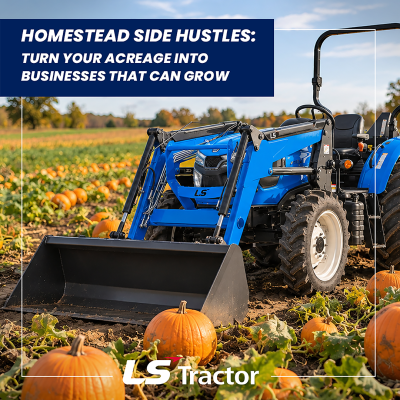
Homestead Side Hustles: 4 Ways to Turn Your Acreage into Businesses That Can Grow

Homestead Side Hustles: 4 Ways to Turn Your Acreage into Businesses That Can Grow

Homesteading can be about growing your own food, raising animals, managing your land and becoming more self-sufficient – but it can also create opportunities to earn additional income. Today, more homesteaders are exploring homestead side hustles that make use of the resources they already have, from selling garden produce to welcoming visitors onto their property.

A small acreage property can support more possibilities than you might expect. A farm stand, U-pick operation, homesteading class or agritourism event can turn something you already enjoy doing into an additional income stream. The key is finding an opportunity that fits your land, interest, available time and local market.

As these projects grow, the physical work of maintaining the property grows with them. That’s where the right equipment can help. An LS Tractor can assist with the behind-the-scenes jobs – from moving materials and maintaining access areas to preparing land and keeping outdoor space usable – so you can focus on building the side hustle itself.

  1. Starting a Small Acreage Farm Stand

A farm stand can be one of the most approachable homestead side hustles for small properties. You don’t need hundreds of acres to grow products that can be sold locally. A productive garden, flower patch, orchard, or small livestock operation may provide opportunities to offer something directly to customers. The key is making the most of what you have.

You might begin with seasonal vegetables and herbs and gradually add cut flowers, pumpkins, eggs, seedlings or other products permitted by local regulations.  The goal isn’t necessarily to produce everything at once. Instead, start with what your homestead already does well and build from there.

The physical layout of the property matters too. Customers need a convenient place to pull in, park and access the farm stand. A level, well-maintained entrance can make the experience easier for both you and your customers.

Make Your Farm Stand Easy to Access

The products may attract customers, but the property itself is part of the experience. Think about where customers will enter, where they’ll park and how they’ll get to the farm stand. A level, well-maintained entrance and a defined parking area can make visits easier for both customers and the homesteader. As traffic increases, maintaining those areas becomes an ongoing part of operating the business.

An LS compact tractor can help with many of these property-maintenance tasks, including:

  • Moving and spreading gravel
  • Grading uneven areas
  • Maintaining driveways and access roads
  • Clearing overgrown areas
  • Moving pallets and supplies
  • Transporting soil, mulch or compost

These aren’t necessarily the most visible parts of running a farm stand, but they can make a difference in how efficiently the property operates.

  1. Turn a Garden or Orchard Into a U-Pick Operation

If your property already has productive plants, a U-pick operation can be a natural extension of your homestead. Instead of harvesting everything yourself, customers visit the property and pick their own produce, flowers or other seasonal crops. Depending on the property and local market, possibilities could include berries, pumpkins, flowers, fruit or other crops suited to the area.

A U-pick operation also changes the way you think about your land. Areas that were once simply used for production now need to accommodate customers. Paths may need to be maintained, parking areas may need to be expanded and visitors need clearly defined routes through the property.

Prepare the Property for Visitors

Land preparation can be an important part of creating a U-pick experience. Maintaining access between growing areas, clearing brush and improving walking surfaces can make the property easier to navigate.

A compact tractor can assist with tasks such as:

The result isn’t just a property that’s easier for customers to visit. These improvements can also make the homestead easier for you to maintain throughout the year.

  1. Share What You Know Through Classes and Workshops

Not every small acreage business requires selling something that grows on the property. Your knowledge and experience can become part of the opportunity, too.

Homesteading classes and workshops can provide a way to share skills you’ve developed through gardening, livestock, food production, land management or other homestead projects. Depending on your experience and local requirements, you might offer gardening workshops, livestock education, hands-on demonstrations or classes focused on specific homesteading skills.

One advantage of this type of side hustle is that it can grow from something you’re already doing. If you’re already maintaining a large garden, for example, a gardening workshop could give others the opportunity to learn from your experience. If you’ve developed systems for managing livestock or improving your land, those experiences could become educational opportunities.

Create a Functional Workshop Space

Hosting people means thinking beyond the lesson itself. You’ll need a place for people to park, gather and safely move around the property. Outdoor workshops require a cleared area, maintained paths or space for demonstrations. Depending on the type of class, you may also need to move tables, materials, tools, soil, mulch or other supplies.

This is another area where an LS Tractor can serve as a practical homestead tool. Material handling can help with moving:

The tractor isn’t the class or the business. It’s simply one of the tools that can help prepare and maintain the property where those activities take place.

  1. Create Agritourism Events on Your Homestead

For homesteaders looking to welcome larger numbers of visitors, agritourism events can provide another potential income stream. A working homestead can become a destination for seasonal activities, farm tours, photography sessions, educational experiences or special events where permitted.

A pumpkin season, farm tour or outdoor gathering can turn the property itself into part of the experience. But inviting visitors onto your land requires planning. Before hosting an event, consider the entire customer experience.

Is there a clearly defined entrance? Where will people park? Are walking paths easy to follow? Is the event area accessible? Are there areas visitors shouldn’t enter? How does the property remain organized and maintained when you’re preparing for an event?

Prepare Parking, Paths and Gathering Areas

These property improvements can require considerable physical work, especially as an event grows. A compact tractor along with a variety of attachments can help prepare and maintain gravel parking areas, smooth uneven surfaces, move materials and maintain access roads. It can also assist with trail development by helping clear brush, move soil, improve drainage and create more stable walking surfaces.

Well maintained trails can do more than guide visitors. They can provide access to gardens, orchards, pastures and wooded areas while helping direct foot traffic away from areas where customers shouldn’t go.

Property beautification can also become part of event preparation. Mowing, clearing brush, spreading mulch, moving soil and maintaining landscaping can help create defined, welcoming spaces for visitors. And when the event is over, those improvements remain part of your homestead.

Build the Side Hustle Around the Homestead

The best place to start a homestead side hustle may be with something that’s already happening on your property.

If you enjoy gardening, a farm stand or U-pick operation could be a natural extension. If you have experience growing flowers or maintaining an orchard, those resources may support seasonal sales. If you’ve developed knowledge through years of homesteading, classes and workshops could allow you to share that experience. And if your property has something unique to offer, agritourism events could create another way to welcome visitors.

Start with what your land can realistically support. Then consider the improvements that could make the operation easier to manage. That might mean creating a better access road, developing parking, improving drainage, maintaining trails or establishing dedicated areas for customers and visitors. As the side hustle grows, these projects can become investments in the homestead itself.

Let Your Homestead Side Hustle Grow with You

A homestead side hustle doesn’t have to begin as a large-scale business. It could start with a few extra vegetables at the end of the driveway, a seasonal U-pick opportunity, a handful of workshop attendees or visitors coming to enjoy an experience you’ve created on your property. The goal is to find an opportunity that works with your land and your lifestyle.

An LS Tractor can help with many of the physical projects that support that goal – from material handling and land preparation to parking area maintenance, trail work and property upkeep. Rather than being the business itself, the tractor becomes an enabler that helps you spend less time struggling with the work and more time building something your family can enjoy.

Whether you’re starting a farm stand on 5 acres, exploring a U-pick operation, teaching homesteading skills or preparing your property for agritourism events, your homestead may have more potential than you realize. Your land can grow more than a harvest – it can grow an opportunity. With the right plan and the right tools, you can turn the work you’re already doing into something that works for you.

Build on what you already have, grow what you believe in, and let your homestead grow with you.


Published on September 21, 2026 and written by Kimberly Steele
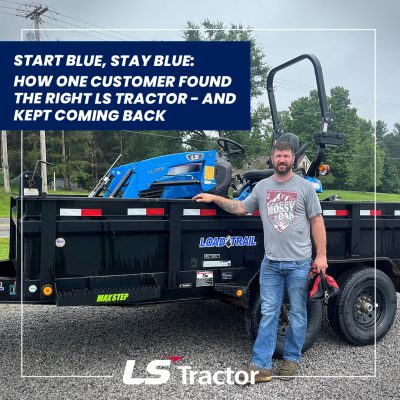
 

Start Blue, Stay Blue: How One Customer Found the Right LS Tractor – And Kept Coming Back

Start Blue, Stay Blue: How One Customer Found the Right LS Tractor – And Kept Coming Back

When Trey Schreader bought his first LS Tractor in 2020, he was looking for a compact tractor to help maintain his two-acre property. Six years later, after moving to 36 acres and purchasing five LS tractors, Trey has found something just as important as capability: compact tractor reliability he can count on every day.

His equipment needs have changed as his property and workload have grown, but one thing has remained consistent – his confidence in LS Tractor and his relationship with his local dealership, The Tractor Depot in Salem, Ohio.

From digging and brush hogging to mowing, animal care and general property maintenance, Trey’s experience shows how the right tractor can evolve with an owner’s changing needs.

For Trey, the decision to stay with LS Tractor has been simple: when he needs his tractor, it works.

And for Mike Douglas, Trey’s salesperson at The Tractor Depot in Salem, Ohio, having a customer return for five LS tractors is exactly the kind of long-term relationship a dealership hopes to build.

It’s a relationship that puts a real-world meaning behind the LS Tractor slogan: Start Blue. Stay Blue.

From a Two-Acre Property to a Growing Operation

Trey was already familiar with LS Tractor before purchasing his first machine. His uncle had purchased an LS tractor in 2019, giving Trey an opportunity to see the brand firsthand. When Trey began researching a tractor for his own property in 2020, he compared LS with other brands and looked closely at both price and capability.

Ultimately, he purchased an LS MT125 tractor-loader-backhoe package from The Tractor Depot.

At the time, Trey’s property was only about two acres, but the MT125 quickly proved useful for much more than he initially anticipated.

“I liked how compact it was, and the backhoe was really easy to take off,” Trey said.

He used the tractor for projects around his property, including electrical work while building and expanding near his garden, plowing the driveway, and other general property maintenance. But his needs didn’t stay the same for long. A year later, Trey began doing side work, including brush hogging. That additional work – and the desire for a larger, more stable machine – led him back to The Tractor Depot.

One LS Tractor Led to Another

In 2021, Trey traded his MT125 for an LS MT225S, again purchasing a tractor-loader-backhoe package assembled by The Tractor Depot. The larger-frame tractor offered greater stability for his needs and opened the door to additional work. He used the MT225S for about a year, including brush hogging, electrical projects and digging with the backhoe.

Then Trey’s property changed again. He moved to a much larger 36-acre property, which meant more land to maintain and more work to accomplish. As his acreage grew, so did his need for horsepower.

In 2022, he moved into an LS MT235. “I loved the tractor, enjoyed it, and used it every day,” Trey said. But with even more property to manage, Trey once again found himself talking with Mike Douglas about his next tractor.

In 2023, he purchased an LS MT240E, the larger tractor he needed for his growing workload. Today, that MT240E remains an important part of his daily routine, helping with jobs such as brush hogging and taking care of animals on the property.

Five LS Tractors and Counting

Trey’s latest LS purchase came in 2026. While he still relies on his MT240E for heavier property work, he needed a different solution for maintaining the lawn and areas around his property.

His property may encompass 36 acres, but about an acre is dedicated to the yard – and Trey also mows around the farm’s fencing. His residential mower was nearing the end of its life, so he once again called Mike.

This time, the answer was another LS MT125, equipped with a loader and finish mower. The new combination gave Trey the power and flexibility he was looking for. His previous commercial mower struggled with taller grass, but the MT125 allows him to adjust engine RPM to keep the mower deck operating efficiently.

“The deck cuts and throws grass better,” Trey said.

It was a practical solution to a practical problem – and another example of how Trey’s LS equipment has evolved as his property and workload changed.

Why Trey Keeps Choosing LS Tractor: Reliability and Value

Five tractor purchases from the same brand over six years is a strong endorsement. For Trey, however, the reason isn’t complicated.

“I’ve had very minimal issues,” he said.

Of the five tractors he has owned, Trey experienced only two warranty-related issues with his MT235: a water pump failure and oil pan leak during the first 40 hours of operation. Both were covered under warranty, and The Tractor Depot had him back up and running in a week. “Other than that, out of five tractors I haven’t had to take anything back,” Trey said. “I’ve had zero issues”.

Reliability is especially important to Trey because his tractors aren’t occasional-use machines. His MT240E, for example, is used every day for maintaining the property and caring for animals. “When I need it, it works,” Trey said. “Knowing when I need it, it’s reliability is everything.”

He also appreciates how straightforward his LS tractors are to service. As someone who is mechanically inclined and performs much of his own maintenance, Trey said the service manual makes jobs such as changing the oil, hydraulic filters and fuel filters easier to handle himself.

A Tractor is Only Part of the Purchase

While the equipment keeps Trey coming back to LS, he is quick to point out that the dealership has played an equally important role.

His relationship with The Tractor Depot began after he researched several LS dealers, collected quotes and found the dealership through the LS Tractor dealer locator. Located about an hour away, The Tractor Depot stood out after Trey spoke with Mike about the tractors.

Six years later, that initial conversation has developed into a relationship built on trust. “Anytime I call for filters or questions, Mike gets back to me quickly”, Trey said. That responsiveness matters when equipment is an important part of getting work done.

Mike sees the relationship from the dealership side. He describes Trey as laid-back, honest and upfront, and says the dealership enjoys working with him. More importantly, Trey represents the type of long-term customer relationship The Tractor Depot works to build.

“We often say that you’re not just buying a product, you’re buying into the dealership as well,” Mike said. “We are going to be there for the after-sale support.”

That support has included handling warranty work quickly and prioritizing customers who purchased their tractors from the dealership when service is needed. For Trey, knowing that the dealership will stand behind the equipment is important. “When I had a warranty issue, Mike said bring it up and it was taken care of in a week,” Trey said. The Tractor Depot even washed the tractor before Trey picked it up after the warranty work. Those small details have made an impression.

Building a Relationship Beyond the Tractor

Over the years, the relationship between Trey and Mike has become more than a traditional salesperson-customer connection. Both families have recently experienced a major life change, with Trey welcoming a newborn son and Mike and his wife also expecting a baby.

Mike gave Trey’s son an LS Tractor onesie shortly after the baby was born. Two months later, he called Trey to ask how his son was doing. For Trey, that personal gesture stood out. “Not many dealerships do that,” he said. It is a small moment, but it captures something important about the relationship Trey has developed with The Tractor Depot. The tractors may be what brought them together, but trust and genuine customer care are what have kept the relationship going.

A Family of LS Tractor Owners

Trey isn’t the only member of his family who has chosen LS. His brother and his brother’s friend have also purchased LS tractors from Mike in recent years. Today, there are multiple LS tractors within the family. That kind of word-of-mouth loyalty is one of the strongest indicators that a customer has found a brand and dealer combination that works for them.

For Trey, the equation comes down to performance, reliability, value and support. He believes LS tractors deliver performance comparable to other brands while offering the value that originally caught his attention.

“LS is just as reliable as other brands,” Trey said. “If you have a good dealer that takes care of you, there should be no issue with getting repairs done if they arise.”

Start Blue. Stay Blue.

Trey’s story is not about buying the same tractor five times. In fact, quite the opposite. His five LS tractors have been different machines for different stages of his life and different demands on his property.

The MT125 was the right fit for a two-acre property. The MT225S offered a larger frame and greater stability. The MT235 provided another step forward as his property grew. The MT240E brought the horsepower needed for 36 acres and daily property maintenance. And his latest MT125 with a finish mower fills a different role, giving him a practical solution for maintaining his lawn and the areas around his farm.

Through all those changes, one thing has remained constant: LS Tractor. So has his relationship with The Tractor Depot.

For Mike, Trey’s five purchases demonstrate what can happen when a dealership consistently earns a customer’s trust. “He’s come back to our dealership for a reason,” Mike said. “He’s loyal to the dealership as well as LS Tractor. We have been able to meet his needs.”

For Trey, it comes down to something even simpler. “When I need it, it works.”

Six years after purchasing his first LS Tractor, Trey continues to put that belief to work every day.

Find the Right LS Tractor for Your Property

Whether you’re maintaining a few acres, managing a growing property or looking for equipment that can handle daily work, the right tractor can make a difference. Explore the LS Tractor lineup or find an LS Tractor dealer near you to learn more about choosing the right machine for your needs.

Published on September 4, 2026 and written by Kimberly Steele
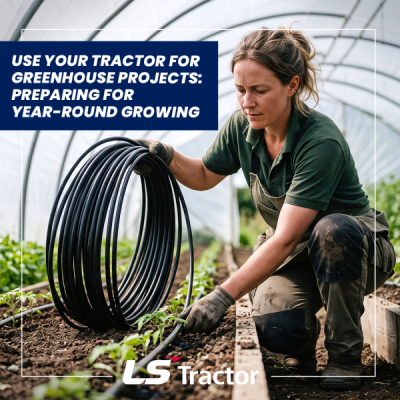
Compact Tractor for Greenhouse Projects: Preparing for Year-Round Growing

Compact Tractor for Greenhouse Projects: Preparing for Year-Round Growing

A compact tractor can make greenhouse projects easier by helping with site preparation, grading, material handling, drainage and garden bed preparation. Whether you’re installing a backyard greenhouse or building a larger four-season homestead garden, the right tractor and attachments can take on many of the heavy-duty jobs required to prepare and maintain the space.

Homesteaders are embracing greenhouses, high tunnels, and four-season gardening as a way to grow more food, reduce grocery costs, and build true self-reliance. As this trend accelerates, one tool consistently proves itself indispensable: a compact LS Tractor. The right equipment can make property preparation faster and more manageable, giving you more time to focus on growing food, improving your soil, and making the most of your land.

Preparing a Greenhouse Site with a Compact Tractor

Choosing the right location is one of the first decisions to make when planning a greenhouse. Sun exposure, accessibility drainage, wind protection and proximity to water can all influence how well the space performs throughout the growing season.

But even a good location may need some preparation before the greenhouse can be installed. The ground should be relatively level and stable, with adequate drainage to help prevent standing water around the structure. Depending on the property, site preparation could involve removing vegetation, moving soil, filling low areas or creating a properly graded pad. This is where a compact tractor for land preparation can be especially useful.

Site Grading for a Greenhouse

A compact tractor equipped with the right implement can help establish a more level surface for a greenhouse or high tunnel. A box blade, rear blade or grading implement can be used to move and distribute soil across the site, helping eliminate high spots and fill shallow depressions.

The goal isn’t necessarily to create a perfectly flat piece of ground everywhere. Instead, proper grading should create a stable, usable area while directing water where you want it to go.  A properly prepared site protects your investment and sets the stage for productive, year-round growing.

A compact tractor can help with:

  • Leveling and smoothing the greenhouse site
  • Moving soil from high areas to low areas
  • Preparing access paths around the structure
  • Creating a stable base for greenhouse construction
  • Maintaining the site as soil settles over time

Before beginning any excavation or grading project, identify underground utilities and follow appropriate safety procedures.

Building a Four-Season Homestead Garden

Four-season gardening is no longer reserved for large farms. A greenhouse can do more than extend the spring and fall growing seasons. With thoughtful planning it can become part of a larger four-season homestead garden designed around continuous food production.

Instead of thinking of the greenhouse as an isolated structure, consider how it fits into the entire garden. You might use outdoor beds for warm-season crops while growing cool-season vegetables or extending production into the colder months.

A well-planned garden might include:

The advantage of planning the entire area at once is that you can consider equipment access before everything is planted. A path that is wide enough for a compact tractor today can make future soil movement, compost delivery and garden maintenance much easier.

Use a Compact Tractor to Prepare Garden Beds

Once the greenhouse site is established, the surrounding garden may require significant soil movement. A front-end loader can help move topsoil, compost, mulch and other materials around the property. Depending on the implement and soil conditions, tractor attachments can also assist with preparing larger planting areas. This can be especially valuable when you’re expanding a garden project rather than simply maintaining an existing one.

Use a compact tractor to help:

  • Move topsoil and compost
  • Backfill low areas
  • Prepare larger garden spaces
  • Transport mulch
  • Redistribute soil around the property
  • Maintain garden paths

The tractor doesn’t replace the planning, planting, and daily care that make a homestead garden successful. It simply makes some of the physical work involved in creating that garden more manageable. With the right attachments, you can build a resilient garden that thrives through heat, frost, and everything in between.

Moving Greenhouse Materials with a Compact Tractor

A greenhouse project can involve more materials than you might expect. Depending on the design, you may need to move lumber, framing materials, panels, greenhouse kits, soil, gravel, compost, raised-bed materials, and other supplies from one part of the property to another. Moving these materials by hand can turn a weekend project into a much longer job.

A compact tractor with a front-end loader can provide another option for transporting heavier materials around the property. Pallet forks, a loader bucket or other appropriate attachments can help move materials while reducing the amount of manual lifting required.

Material Transport for Homestead Projects

Material transport is one of the most versatile applications for a compact tractor around a homestead. The same machine used to prepare your greenhouse site can later help move:

  • Gravel for greenhouse paths
  • Compost and soil
  • Mulch
  • Cinder blocks
  • Lumber and building supplies
  • Rolls of greenhouse plastic
  • Firewood
  • Landscaping materials
  • Supplies for raised garden beds
  • Water tanks

This versatility is one reason compact tractors have become a favorite tool for small-acreage property owners. Instead of multiple exhausting trips by hand, your tractor consolidates the work into efficient, controlled movements saving time and preventing injury. A single tractor can support many different projects throughout the year instead of being dedicated to one task. This versatility makes compact tractors particularly useful for small-acreage property owners.

Always follow the tractor and implement manufacturer’s load ratings and operating instructions when moving materials.

Creating Drainage Around a Greenhouse or High Tunnel

One of the most important and sometimes overlooked parts of a greenhouse project is water management. A greenhouse or high tunnel can change how rainwater moves across a property. Water that once dispersed naturally across the ground may instead collect along the edges of the structure or discharge from the roof in concentrated locations.

Poor drainage can lead to flooding, root rot, muddy paths, erosion, and structural damage. Planning drainage before installing the structure can help prevent some of these problems.

Using a Compact Tractor for Drainage Projects

Depending on the size and scope of the project, a compact tractor can assist with directing water away from the structure and shaping the surrounding land to encourage natural runoff. It can also help maintain drainage routes after heavy weather or as the surrounding soil changes over time. Good drainage ensures your high tunnel stays dry, stable, and productive year-round.

A compact tractor can assist with:

  • Digging or shaping drainage channels with appropriate attachments
  • Moving excavated soil
  • Shaping the surrounding land
  • Backfilling around prepared areas
  • Maintaining access around the greenhouse
  • Moving gravel or drainage pipes
  • Addressing erosion and drainage issues

For larger drainage systems or projects involving excavation, consult qualified professionals and check local requirements before beginning work.

Choosing the Right Tractor and Attachments for Greenhouse Projects

The tractor itself is only part of the equation. The right tractor implements and attachments can determine how effectively you can tackle different stages of a greenhouse or garden project.

For many homesteaders, a front-end loader is one of the most useful tools for material handling and soil movement. A box blade or rear blade can help with grading and maintaining paths, while other attachments can be selected based on the soil, acreage and projects planned for the property.

When considering an LS compact tractor, think beyond the immediate greenhouse installation. Ask yourself:

Thinking about those questions before purchasing equipment can help you choose a setup that grows with your property.

Turn Your Greenhouse into a Year-Round Homestead Resource

The appeal of a greenhouse isn’t simply having somewhere to grow plants when the weather is cold. It’s the opportunity to rethink how you use your property. A greenhouse can provide a protected space for starting seeds, growing vegetables during multiple seasons, and experimenting with crops that might otherwise struggle in your climate. Combined with outdoor beds, composting, food preservation and thoughtful soil management, it can become an important part of a more productive year-round homestead.

Remember, the work doesn’t stop once the greenhouse is standing. Each season brings new projects: refreshing plant beds, moving compost, maintaining paths, improving drainage, expanding garden space and preparing for the next crop. That’s where a compact tractor can continue to earn its place on the property.

Build the Garden, Grow a Lifestyle

A four-season garden begins with more than seeds and soil. It starts with creating a property that can support the way you want to live and grow. Preparing a greenhouse site, moving materials, improving drainage and developing productive garden space can be physically demanding projects – but they don’t have to be done entirely by hand.

With the right compact tractor and implements, homesteaders can take on these larger property-improvement projects while keeping their focus where it belongs: growing food, spending time outdoors and building a more productive homestead.

Whether you’re installing your first backyard greenhouse or expanding an established four-season homestead garden, thoughtful preparation today can create a growing space that serves you for years to come. As always, contact your local LS Tractor dealer to help you choose the perfect LS tractor and attachments to bring your project to life.


Published on September 3, 2026 and written by Kimberly Steele
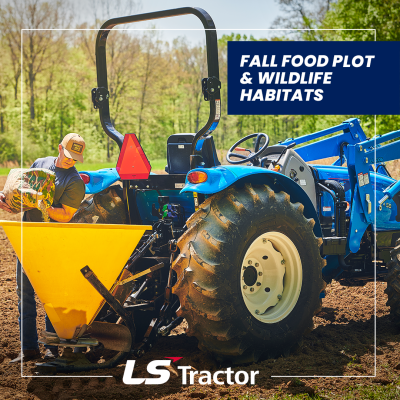
Fall Food Plot and Wildlife Habitat Projects: Make the Most of Your Small Acreage

Fall Food Plot and Wildlife Habitat Projects: Make the Most of Your Small Acreage

Fall wildlife habitat projects can do more than attract wildlife. They can become part of a larger plan for healthier soil, better habitat and a more productive property. Here are practical fall land management projects for homesteaders, hunters, and rural landowners – and how a compact tractor can help make them possible.

As summer fades and cooler temperatures arrive, fall is one of the best times to take a closer look at your property. This time of year is when landowners turn their attention to land stewardship. Fields that have grown tall, trails that need attention, and open areas that could provide food or cover for wildlife all present opportunities to improve your land before winter.

For hunters, that might mean establishing a wildlife food plot. For homesteaders, it could mean improving biodiversity or creating habitat for birds and pollinators. For rural landowners, fall can simply be the right time to reclaim an unused area, improve access, or prepare the ground for a planting project next spring.

The goal isn’t to transform your entire property overnight. Instead, thoughtful fall land management can turn small sections of your acreage into more productive, diverse spaces.

And while the vision belongs to the landowner, the right equipment can make the work considerably easier. A compact tractor equipped with tools such as a rotary tiller and seeder can help prepare soil, establish plantings, and maintain the property without becoming the focus of the project.

Why Fall is a Good Time for Wildlife Habitat Projects

Fall offers several advantages for wildlife habitat improvement. Cooler temperatures, predictable moisture, and slower plant growth make autumn the ideal window for establishing productive acreage before winter.

Summer vegetation has typically finished growing, making it easier to see the condition of your fields and identify areas that could be improved. Cooler weather also makes physically demanding land projects more comfortable, while fall planting can give certain grasses, grains, and other vegetation time to establish before winter or take advantage of early spring growth.

For wildlife, the benefits can extend well beyond hunting season.

A thoughtfully designed habitat can provide:

Even a small property can benefit from these changes. A five-acre homestead doesn’t need to become a large-scale wildlife preserve to make a difference.

Here are some fall wildlife projects to consider for your property this fall.

8 Fall Wildlife Habitat Projects for Small Acreage

  1. Create a Small Wildlife Food Plot

One of the most practical fall projects for rural landowners and hunters is establishing a wildlife food plot. Creating a fall food plot supports deer, turkey, and small game through winter while improving soil health.

A food plot doesn’t have to occupy a large portion of your property. An unused field edge, open patch, or section of pasture can potentially become a productive planting area. The key is choosing a location that makes sense for your property, available sunlight, drainage, existing vegetation, and the wildlife you want to support.

Depending on your region and goals, fall food plots may include cool-season crops such as cereal grains, clover, brassicas, or other regionally appropriate plant varieties.

Before planting, take time to evaluate the site. Look at soil conditions, sunlight, water drainage, nearby cover, and how wildlife already moves through the property. The objective isn’t simply to plant something and hope animals find it. A successful food plot works best when it is part of a larger wildlife habitat management strategy.

Once you’ve selected the site, ground preparation becomes the next challenge. Land grading can improve drainage and prevent seed washout. A compact tractor with a rotary tiller can help break up and prepare soil for planting, particularly where an area has become compacted or hasn’t been cultivated recently. With the proper setup and operating technique, it can help create a more suitable seedbed without requiring extensive manual labor.

  1. Improve Wildlife Habitat Beyond the Food Plot

Food is only one part of a healthy habitat. Wildlife also needs water, shelter, nesting areas, and places where animals can move safely across the property. If you are already working on a food plot, consider how surrounding areas can complement it.

For example, you might:

  • Leave selected areas of native grasses standing for cover.
  • Maintain brushy edges instead of clearing every section.
  • Plant native shrubs that provide food and shelter.
  • Create transition zones between woods and open fields.
  • Maintain access trails without over-cleaning the property.
  • Protect existing trees and natural cover.
  • Grade low areas to reduce standing water

These improvements can make your acreage more functional for wildlife while also creating a more diverse and attractive landscape.

  1. Plant Native Grasses for Fall and Winter Habitat

Native grasses can play an important role in small acreage wildlife habitat. Species suited to your region can provide cover for birds and other wildlife while adding structure to the landscape. They can also complement food plots by creating areas where wildlife can find shelter near feeding locations.

Before planting, research native grasses that are appropriate for your soil type, climate, and intended use. Your local extension office, conservation organization, or native plant specialist can help identify suitable species. Once you’ve narrowed down your selection, light tilling creates ideal conditions for native seed mixes.

If you’re already interested in creating a pollinator friendly property, consider how native grasses can fit alongside native wildflowers. Rather than thinking about each planting as an isolated project, think of your property as a collection of connected habitats. A food plot can provide food. Native grasses can provide cover. Trees and shrubs can provide additional shelter and seasonal food. Native wildflowers can support pollinators. Together, these pieces can create a more diverse ecosystem.

  1. Establish a Pollinator Area Before Winter

Wildlife habitat isn’t just about deer and game birds. Bees, butterflies, moths, hummingbirds, and other pollinators are an important part of a healthy landscape. Adding native wildflowers and pollinator habitat to your property can support biodiversity while adding color and seasonal interest. Consider spreading warm-season and pollinator blends before winter stratification.

Fall can be an excellent time to plan or establish certain native plantings, depending on your region and the specific species. If you’ve been considering ways to rewild your lawn, an unused portion of your property can be a good place to start. Even a relatively small area can provide valuable habitat when planted with species suited to your local conditions.

Larger planting areas can be difficult to prepare by hand. A compact tractor can help with site preparation, vegetation management, material handling, and other tasks that would otherwise require significant time and physical effort.

A rotary tiller can be particularly useful when preparing soil for a new planting area, while other implements can help maintain the surrounding property. Low impact mowing can control invasives without disturbing new plantings. The result is a habitat project that happens to be easier to accomplish with the right equipment.

  1. Use a Seeder to Make Planting Easier

Once the soil is prepared, the next challenge is getting seed evenly distributed across the planting area. A seeder can help make large planting projects more consistent and efficient than broadcasting seed by hand. Depending on the type of seeder and seed being used, it can help landowners establish food plots, cover crops, grasses, or other plantings across an area. Before using any seeding equipment, follow the implement manufacturer’s recommendations for seed type, application rate, ground speed, and setup.

Good seed placement matters. So does choosing the right plant for the property. Rather than selecting a seed mix simply because it is marketed for wildlife, consider your specific goals and growing conditions. Spreading cool-season blends like clover, brassicas, winter rye, or oats are perfect for fall forage. A local agricultural extension service can be an excellent resource for determining what will perform best in your area.

  1. Improve the Edges of Your Property

Some of the most valuable habitat on a rural property can occur where different environments meet. The edge between a wooded area and an open field, for example, can provide opportunities for both food and cover. Instead of maintaining every acre in exactly the same way, consider creating a mix of managed and natural areas.

You might maintain a mowed trail through taller vegetation, leave selected brushy areas intact, or establish native plants along field borders. This type of land management for wildlife can also make your property more enjoyable for people. Trails can provide access for walking, hunting, checking livestock, monitoring gardens, or simply exploring the land. A compact tractor can help maintain those access routes while allowing the surrounding habitat to remain more natural.

  1. Build on Healthy Soil

Wildlife habitat and soil health are closely connected. Healthy soil supports healthy plants, and healthy plants provide the foundation for food and shelter throughout the ecosystem. That makes soil preparation an important part of any food plot or habitat project. Spreading compost or manure helps build long-term fertility and provides soil enrichment for future plantings.

Avoid treating tillage as a solution for every piece of ground. Depending on the project, excessive soil disturbance can work against your long-term goals. Consider what the site needs before deciding how much preparation is appropriate. Use equipment thoughtfully to support soil health and productive land rather than continually reshaping the property.

  1. Plan for Wildlife Through the Whole Year

A fall food plot shouldn’t be viewed as a one-season project. As your work on your property, think about what wildlife will find in each season. What provides food in fall? Where will animals find cover in winter? What will bloom in spring? Where will birds nest during summer?

Autumn is the ideal season to complete habitat projects that benefit wildlife year-round. This long-term perspective can change how you approach mowing, clearing, planting, and maintaining your land. Instead of asking, “What should I clear?” consider asking, “What should I keep?” Instead of mowing everything, identify areas that could provide habitat. Instead of planting one crop everywhere, consider creating a mixture of food, cover, native grasses, shrubs and flowering plants. Small decisions can add up to meaningful improvements over time.

Make Fall Land Management Work for Your Property

Every property is different. A hunter may prioritize a deer food plot. A homesteader may want to increase biodiversity. Another landowner may simply want to make better use of an overgrown field.

There isn’t one right way to improve wildlife habitat. What matters is having a plan that fits your land and goals. For some landowners, that might mean planting a small fall food plot. For others, it could mean establishing native grasses, creating a pollinator area, improving field edges, or simply maintaining trails and natural cover.

LS compact tractors empower landowners to take on meaningful fall projects with confidence:

  • Perfect power-to-size ratio for small acreage
  • Attachments that make habitat work efficient
  • Comfortable operation for long days outdoors
  • Reliable performance during heavy soil prep

A compact tractor can be an important part of that process by reducing the labor involved in preparing soil, planting seed, maintaining access, and managing acreage. Equipped with a rotary tiller, seeder, and other implements, an LS Tractor can give landowners the flexibility to tackle projects as their property evolves. The tractor is only the tool. The real project is the land.

Whether you’re creating a place for wildlife, improving your hunting property, supporting pollinators, or building a more diverse homestead, fall is an opportunity to invest in the acreage you care about.

And when spring arrives, you’ll have more than a food plot to show for the work. You’ll have a property that is becoming a little more productive, a little more diverse, and a little more connected to the natural world around it.


Published on August 24, 2026 and written by Kimberly Steele
From Family Farm to Family Business: The Story of Cascade Tractor Supply

From Family Farm to Family Business: The Story of Cascade Tractor Supply

For more than two decades, Cascade Tractor Supply has built its business around a simple philosophy: treat customers right, provide the equipment they actually need, and be there when they need help.

Located in the Pacific Northwest, the family-owned dealership has grown from its roots on a family farm into a trusted source for tractors, equipment, parts, service, and advice. Today, owner Scott Dashiell continues that tradition alongside the next generation of his family, while a long-standing partnership with LS Tractor has helped Cascade Tractor Supply expand its reach and serve the needs of local property owners.

From a Family Farm to a Growing Dealership

The story of Cascade Tractor Supply began long before the dealership officially opened in 2003. The family’s equipment business dates back to the early 1980’s, when Dashiell’s grandparents started Cascade Equipment on the family farm.

The business began by helping local farmers and community members with equipment and repairs. Over time, the operation expanded, added equipment lines, and eventually became Cascade Tractor Supply.

“A lot of our growth had honestly just come from taking care of customers and building relationships over time,” Dashiell said.

That family business philosophy remains at the heart of the dealership today. Although Cascade Tractor Supply has grown significantly since its early days, the goal is still to provide customers with the same personal experience that helped establish the business in the first place.

Dashiell has been involved in virtually every aspect of the dealership, from sales and deliveries to equipment work and day-to-day customer needs. Today, he has stepped back from the daily operations, with his son Wyatt and cousin David handling much of the dealership’s current day-to-day business. Dashiell remains involved in the support role and helps with larger decisions.

Building a Dealership on Relationships

As a smaller, family-run dealership, Cascade Tractor Supply has found that one of its greatest advantages is the personal connection it maintains with customers.

Customers aren’t navigating a large corporate organization. Instead, they are often communicating directly with the people who own and operate the business. There is a lot to be said about treating people right and being straightforward with them.

That personal approach has helped Cascade Tractor Supply establish a strong presence in its regional LS Tractor market, with much of its growth coming through word-of-mouth referrals.

“A lot of our customers end up sending their friends, family, or neighbors to us because they had a good experience,” Dashiell said.

Rather than pushing customers toward a particular piece of equipment, the team focuses on understanding what customers actually need. The goal is to help each buyer find equipment that fits the property, the work, and the customer’s experience level.

“We want people to feel like they can call us after the sale if they need help, parts, service, or just advice,” stated Dashiell.

Why LS Tractor Was a Good Fit

Cascade Tractor Supply began carrying LS Tractor products in 2012 after seeing an opportunity to offer customers quality equipment combined with strong value.

Dashiell explained, “We felt like they were a really promising brand with good quality equipment and a lot of potential for growth.”

The value LS Tractor offered customers was another important factor. As Cascade Tractor Supply began selling more LS tractors, customers responded positively, helping the brand continue to grow throughout the Pacific Northwest.

Over the years, the relationship has developed into a long-term partnership. Dashiell says working with LS Tractor has contributed to Cascade Tractor Supply’s growth by helping the dealership reach customers who are looking for both value and financing opportunities.

As the LS Tractor brand has grown in the region, Cascade Tractor Supply has grown alongside it.

LS Tractor Performance for Pacific Northwest Properties

One of the most popular LS Tractor choices at Cascade Tractor Supply is the MT2 Series.

For many customers in the dealership’s market, the typical property is not a massive commercial farm. Instead, customers may own 5 to 10 acres and need a tractor that can handle serious work while remaining compact and maneuverable.  According to Dashiell, the MT2 Series strikes that balance particularly well.

Customers use their LS tractors for a wide variety of property and farm tasks, including moving dirt, gravel, and hay, maintaining driveways, clearing snow, running brush cutters, and handling general property maintenance.

“It’s the right balance between size, power, and usability,” Dashiell said.

For Cascade Tractor Supply customers, that versatility is an important part of the tractor-buying decision. A tractor needs to be capable enough to handle demanding jobs without becoming difficult to maneuver around smaller properties.

Features Customers Notice

Dashiell points to several factors that consistently attract customers to LS Tractor, including financing options, loader lift capacity, and engine performance.

Financing can play an important role in the purchasing decision, helping customers make a new tractor a more manageable investment. The 0% interest financing options have played a major factor in purchases, as well as the value customers get for their money. Sometimes this option is the deciding factor for buyers.

Dashiell states “When people realize they can get into a quality tractor without upfront financial pressure; it makes a huge difference.”  

Loader capability is another major selling point, particularly for property owners who regularly move dirt, gravel, logs, hay, and other materials.

Dashiell also notes the use of Yanmar engines in newer MT2 models as a feature that gives customers confidence and longevity. For many customers, it’s the right balance between size, power and usability.

For Cascade Tractor Supply, the combination of value, financing, loader performance, and engine reputation gives customers several compelling reasons to consider an LS Tractor.

A Dealer Who Uses an LS Tractor

Dashiell’s relationship with LS Tractor goes beyond selling the equipment. He personally owns an LS Tractor MT2 and uses it for projects around his own property. He describes the tractor as a workhorse for moving material and handling general property maintenance. That hands-on experience also gives him an additional perspective when helping customers choose a tractor.

“When I’m talking to customers, I’m not just repeating specs – I actually use one myself, so I know how it performs in real-world situations,” Dashiell stated.

For customers, that experience can make a difference. Instead of simply discussing specifications, Dashiell can speak from firsthand experience about what an LS tractor can do on a property. His advice for first-time buyers is simple – don’t overbuy and don’t rush it. Customers generally don’t need a huge tractor – they need one that fits their land, is easy to operate, and provides comfort.

Staying Connected to the Community

For Cascade Tractor Supply, being part of the community is not something separate from operating the dealership. The family is part of the same rural lifestyle as many of its customers, creating a natural connection to local farmers, property owners, and small businesses.

The dealership supports community events, participates in local auctions, and occasionally lends equipment for fairs and other community projects.

“People help each other out when needed,” Dashiell shared. “We’re neighbors.”

That community connection will continue at the upcoming Rockford Fair in September, where Cascade Tractor Supply plans to bring several LS Tractor units for people to see and use around the fairgrounds. For Dashiell, the event is less about making a formal sales presentation and more about showing up for the community and giving local farmers and families an opportunity to experience the equipment firsthand.

Supporting Customers After the Sale

At Cascade Tractor Supply, customer service doesn’t end when a tractor leaves the dealership. The team remains available to customers who have questions or need help after their purchase. Customers feel comfortable contacting the dealership directly, including by phone or text after normal business hours and on weekends. Whether the customer needs help troubleshooting a problem, has a question about their equipment, or simply needs advice, the dealership strives to be available.

For Dashiell, good customer service comes down to three things: being honest, being available, and following through. That commitment has helped the dealership build a business driven by repeat customers and referrals.

Adapting While Staying True to Its Roots

Like many longtime businesses, Cascade Tractor Supply has had to adapt as the marketplace has changed.

One of the dealership’s biggest challenges has been moving from a primarily local, word-of-mouth business into an increasingly digital marketplace. Today, social media outlets such as Facebook play an important role in showcasing inventory, equipment, and dealership updates to customers. Even as its marketing approach has evolved, the dealership has remained committed to the personal service that helped build its reputation.

Looking ahead, Dashiell wants to continue growing Cascade Tractor Supply’s reach while maintaining the small-business feel that customers value.

Dashiell explains, “We want to keep expanding our reach in the area and continue building with LS Tractor, but not lose that personal, hands-on way of doing business.”

Growing Together with LS Tractor

Cascade Tractor Supply’s story is one of family, community, and steady growth. From its beginnings on a family farm to its role today as an established LS Tractor dealer in the Pacific Northwest, the dealership has stayed focused on the same principle: take care of customers and build relationships that last.

The partnership with LS Tractor has become an important part of that story, giving Cascade Tractor Supply a product line that fits the needs of its customers while providing the value, capability, and versatility that property owners are looking for.

For Dashiell, the formula for success remains straightforward: listen to customers, help them find the right equipment, and be there after the sale.

As Cascade Tractor Supply looks toward the future, that family-business approach remains firmly in place – growing the business without losing the personal connection that started it all.

If you are in the Northern Pacific area and considering a new tractor, pay a visit to Cascade Tractor Supply to learn more about how an LS Tractor can be the workhorse you need to get things done on your property.


Cascade Tractor Supply

5019 E Trent Ave.

Spokane, WA 99212

(509) 927-7500


Published on August 17, 2026 and written by Kimberly Steele
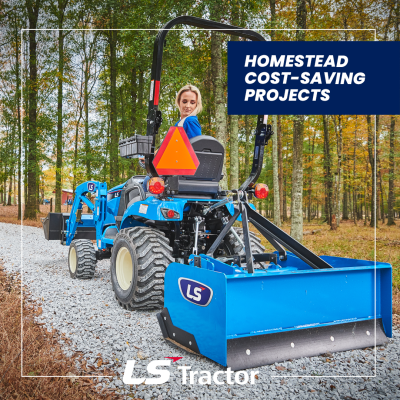
Homestead Projects That Save Money: How an LS Tractor Helps You Save While Becoming More Self-Sufficient

Homestead Projects That Save Money: How an LS Tractor Helps You Save While Becoming More Self-Sufficient

As grocery prices, utility costs, and contractor rates continue to rise, more property owners are looking for practical ways to save money while becoming more self-sufficient. For many homesteaders, that means taking on projects themselves instead of paying for labor, equipment rentals, or ongoing property maintenance.

A compact tractor for homesteading can make those projects significantly easier. From expanding a garden and maintaining a gravel driveway to moving firewood, managing livestock areas, and clearing overgrown property, the right tractor can help you accomplish more with the land you already own.

If you’re looking for money-saving homestead projects, here are 10 practical ways a compact tractor can help you reduce expenses while improving your property.

  1. Grow More of Your Own Food

One of the quickest ways to reduce household expenses is by producing your own fruits, herbs and vegetables. Expanding beyond a small backyard garden into a larger growing area allows you to harvest more fresh produce throughout the season while preserving extra food or winter.

A compact tractor makes preparing new garden plots much easier by helping remove sod, level the ground, move compost, and transport mulch or soil amendments. What might take weeks with hand tools can often be completed in a weekend. Even a simple raised garden bed of herbs and vegetables can offset grocery bills in a single season. The more food you grow, the fewer trips you make to the grocery store – and those savings add up year after year.

LS Tractor Applications:


  1. Build and Maintain Your Gravel Driveway

Hiring someone to maintain and re-gravel a driveway can cost thousands of dollars and become an annual expense. Washouts, potholes, and ruts are common after heavy rain, but many of these repairs can be completed yourself.

With a front-end loader and box blade, you can spread new gravel, smooth rough spots, improve drainage, and keep your driveway looking its best without waiting for a contractor. Over the life of your property, doing your own gravel work can save thousands of dollars.

LS Tractor Applications:

  • Gravel spreading
  • Driveway grading
  • Pothole repair
  • Surface leveling


  1. Improve Property Drainage

Standing water can damage gardens, wash out driveways, create muddy livestock areas, and even threaten foundations. Contractors often charge thousands of dollars for trenching and grading. By using your own tractor, backhoe and loader, you can install drainage ditches, improve water flow, or reshape low areas help to help protect your investment while preventing expensive repairs later.

A compact tractor equipped with the right implements makes moving soil and reshaping the landscape significantly easier than doing it by hand.

LS Tractor Applications:

  • Drainage improvements
  • Soil grading
  • Moving fill dirt
  • Creating swales and berms


  1. Save on Heating by Managing Your Own Firewood

If you have wooded acreage, your property may already contain one of your most valuable resources: firewood. Cutting, splitting, and stacking your own firewood can dramatically reduce winter heating bills while providing greater energy independence.

Instead of carrying heavy logs by hand, your tractor becomes the workhorse that transports logs, moves split wood, and stacks firewood with far less physical strain.

LS Tractor Applications:

  • Firewood handling
  • Log transport
  • Loader work
  • Material movement


  1. Build and Maintain Livestock Infrastructure

Adding chickens, goats, or sheep can lower grocery costs while providing fresh eggs, milk, or meat for your family. Building coops, fencing, shelters, and feeding stations requires moving lumber, fence posts, gravel, and other heavy materials. A tractor reduces the labor involved and speeds up nearly every phase of construction.

As your livestock operation grows, your tractor continues working by moving feed, bedding, fencing supplies, and manure.

LS Tractor Applications:

  • Moving feed and bedding
  • Transporting fence posts and supplies
  • Preparing livestock areas
  • Moving manure and compost
  • Maintaining pasture


  1. Make Your Own Compost and Save on Soil Amendments

Rather than purchasing expensive soil amendments every growing season, many homesteaders create compost from leaves, grass clippings, livestock bedding, and kitchen scraps. A tractor loader makes turning compost piles, moving finished compost, and transporting organic material much easier than using a wheelbarrow alone.

Healthy compost improves soil, reduces fertilizer costs, and supports healthier crops year after year.

LS Tractor Applications:

  • Moving compost and organic material
  • Turning or rebuilding compost piles
  • Hauling leaves, grass clippings and bedding
  • Spreading finished compost
  • Preparing garden beds


  1. Clear Brush and Maintain Your Property

Overgrown fence lines, invasive brush, and fallen trees can quickly take over valuable acreage. Instead of hiring land-clearing crews for every project, many property owners can handle routine clearing themselves using a compact tractor with compatible implements.

Maintaining open fields also improves access, encourages healthier pasture growth, and increases the usable space on your property.

LS Tractor Applications

  • Clearing brush and overgrowth
  • Moving fallen limbs and debris
  • Maintaining fence lines
  • Mowing fields and overgrown areas
  • Moving cleared material


  1. Build Trails and Outdoor Living Spaces

Many homesteaders enjoy their property beyond farming. Walking trails, food plots, picnic areas, fire pits, and small campsites all add value when making the land more enjoyable. Your tractor can move gravel, level ground, transport landscaping materials, and prepare sites for new outdoor projects without requiring multiple equipment rentals.

These improvements increase both enjoyment and long-term property value.

LS Tractor Applications:

  • Preparing and grading trails
  • Moving gravel and stone
  • Leveling outdoor spaces
  • Hauling landscaping materials
  • Clearing project areas


  1. Handle Seasonal Property Maintenance

Owning rural property means there’s always something to do. Storm cleanup, moving mulch, hauling rocks, transporting fence materials, maintaining roads, and cleaning up fallen limbs are ongoing jobs that often require heavy lifting.

Instead of renting equipment several times a year, having your own compact tractor means you’re ready whenever work needs to be done. The convenience alone can save significant time and rental fees over the life of the tractor.

LS Tractor Applications:

  • Storm and debris cleanup
  • Moving mulch, soil, and gravel
  • Maintaining driveways and access roads
  • Hauling materials around the property
  • General seasonal cleanup
  • Mowing pastures and fields


  1. Take on More DIY Homestead Projects

Perhaps the biggest return on investment comes from simply doing more projects yourself. Every driveway repair, landscaping project, drainage improvement, fence installation, or material-moving job you complete without hiring outside labor reduces your long-term property expenses.

Many homeowners discover their tractor becomes the most frequently used machine they own because it replaces countless hours of manual labor while helping them complete projects on their own schedule.

LS Tractor Applications:

  • Moving and grading materials
  • Digging and preparing projects
  • Installing and maintaining fencing
  • Landscaping and grading
  • General property improvement


The Long-Term Value of a Compact Tractor For Homesteading

When people think about return on investment, they often focus only on dollars. But the value of owning a compact tractor extends much further. When viewed over years of ownership, the savings from contractor fees, equipment rentals, and increased efficiency often make a compact tractor one of the smartest investments for a growing homestead.

A quality tractor saves time and it reduces physical labor. It gives you the confidence to take on projects yourself instead of postponing them or paying someone else. It helps you improve your property one weekend at a time while building skills that last a lifetime. For homesteaders, the question isn’t whether they’ll use a tractor – it’s how they ever managed without one.

From expanding gardens and maintaining gravel to handling firewood, improving drainage, and building infrastructure, an LS Tractor becomes more than just a machine. It becomes an investment in your property’s future and a reliable partner in creating a more productive, self-sufficient lifestyle.

Whether you’re just beginning your homesteading journey or looking to get more from your acreage, the right equipment can help turn ambitious plans into lasting savings. An LS Tractor makes self-sufficiency achievable for any small acreage owner. Our tractors and equipment don’t just help you work your homestead – they help you afford it.


Published on August 10, 2026 and written by Kimberly Steele
How a Compact Tractor Makes Livestock Ownership Easier

How a Compact Tractor Makes Livestock Ownership Easier

Backyard chickens, goats, sheep, and small livestock are among the fastest-growing homesteading trends. Learn how LS compact tractors help new livestock owners build infrastructure, manage pasture, move feed, and streamline daily chores.

Backyard poultry and small-livestock ownership continue to surge across the country, especially among new homesteaders looking to turn unused acreage into productive micro-farms. But first-year livestock owners quickly discover the truths: small animals create big workloads. Whether the goal is fresh eggs, healthier soil, sustainable food production, or a more self-sufficient lifestyle, caring for animals quickly teaches us there is always work to do.

That’s why more homesteaders are choosing LS compact tractors – the perfect blend of power, maneuverability, and attachment versatility. From building chicken infrastructure to maintaining healthy pastures, the right equipment helps livestock owners spend less time on manual labor and more time enjoying their animals.

If you’re planning your first year with livestock, here are some of the most valuable tractor projects every new owner should know.

Build Chicken Coops and Runs with a Compact Tractor

One of the first projects for backyard poultry owners is creating a safe, functional environment for their flock. Chickens require more than just a coop – they also benefit from secure fencing, outdoor runs, nesting areas, drainage, and regular maintenance.

A compact LS Tractor equipped with a front-end loader can simplify many of these projects by helping you:

  • Grade land to improve and prevent water pooling around the coop
  • Move gravel for coop foundations
  • Transport lumber and building materials
  • Position prebuilt coops without heavy lifting
  • Install fencing for chicken runs
  • Spread mulch or wood chips around runs
  • Level uneven ground before construction
  • Haul fencing supplies and posts

Instead of moving materials one wheelbarrow at a time, your tractor can transport heavy loads in minutes, making even weekend construction projects far more manageable. As your flock grows, you’ll likely continue expanding or improving your setup, making your tractor one of the most-used tools on your property.

Move Feed and Bedding with a Compact Tractor

Once your animals arrive, the work becomes ongoing. Feed bags, hay bales, bedding, minerals, fencing supplies, and water tanks all need regular transport across your property. Repeatedly lifting 50-pound feed bags or moving bulky bedding by hand can quickly become exhausting.

A compact tractor helps you:

  • Move feed pallets from delivery locations
  • Transport wood shavings, hay and straw bales for bedding
  • Deliver mineral tubs to pastures
  • Haul water tanks and portable feeders

Even on smaller acreages, these routine jobs can consume hours each week. Using your tractor reduces physical strain while helping you work more efficiently. Many new livestock owners discover that the front-end loader becomes one of their favorite attachments simply because it eliminates so much repetitive lifting.

Fence Line Maintenance for Small Livestock Farms

Good fencing is one of the most important investments for livestock owners. Chickens need protection from predators, while goats and sheep require secure fencing to stay safely contained. Keeping fence lines maintained becomes much easier with a compact tractor.

Your tractor can help:

  • Carry fencing materials
  • Transport fence posts
  • Clear brush and saplings along fence rows
  • Grade rough access paths
  • Remove fallen limbs after storms

Routine fence inspections become much easier when you can drive the perimeter rather than walk every acre carrying tools and supplies. Keeping fence lines clean also reduces vegetation that can interfere with electric fencing and makes future repairs much faster.

Use a Compact Tractor for Pasture Maintenance

Healthy pasture management reduces feed costs, and is essential for productive livestock. Without regular mowing and maintenance, weeds can outcompete desirable grasses, brush can invade grazing areas, and uneven growth reduces forage quality.

A compact tractor paired with a rotary cutter or finish mower helps maintain healthier grazing conditions by:

  • Controlling brush growth
  • Mowing weeds before they spread
  • Improving pasture appearance
  • Encouraging more uniform forage growth
  • Creating better access around gates and shelters

Rotational grazing becomes easier when pasture areas remain well maintained. Proper mowing also improves visibility, making it easier to spot hazards, monitor fencing, and observe your animals.

Manage Manure with a Compact Tractor

Manure management is one task every livestock owner quickly learns to appreciate. Whether cleaning chicken coops, goat shelters, loafing sheds, or small barns, organic waste builds up surprisingly fast.

Rather than relying solely on hand tools, a compact tractor can help move:

Many homesteaders choose to compost manure and bedding, creating valuable organic material for gardens, landscaping, and food plots. A loader allows you to transport compost ingredients, turn compost piles, and move finished compost wherever it’s needed around your property.

Grow with the Right Implements

One of the biggest advantages of owning a compact tractor is its versatility. As your livestock operation expands, your tractor can grow with you by adding implements designed for seasonal tasks.

Depending on your property, useful attachments may include:

These implements allow one machine to perform dozens of jobs throughout the year, making them a smart investment for first-time homesteaders.

Why Compact Tractors are Ideal for Small Livestock Farms

Unlike larger agricultural equipment, compact tractors are designed to work comfortably on small acreages while still delivering impressive lifting power and versatility. Whether you’re caring for a few backyard chickens or managing several acres of goats and sheep, a compact tractor provides the capability to tackle demanding jobs without overwhelming your property.

Many first-year livestock owners begin with a handful of animals, only to discover that their projects quickly expand. New fencing, larger shelters, additional gardens, compost systems, and pasture improvements all become easier when you already have the right equipment.

Here’s what many livestock owners love about LS compact tractors:

  • Strong loader lift capacity for feed, fencing, and materials
  • Comfortable operation for long chore days
  • Easy attachment changes for fast project switching
  • Durable construction built for daily farm use
  • Excellent value without sacrificing performance

A compact LS Tractor provides dependable performance for these everyday tasks while offering the flexibility to take on new projects as your homestead grows.

Build Your Homestead One Project at a Time

Raising livestock is rewarding, but it also requires planning, maintenance, and plenty of physical work. Investing in the right equipment early can make every season more productive and enjoyable. From building chicken coops and maintaining fence lines to mowing pasture and moving feed, a compact tractor becomes one of the hardest-working tools on the property.

As backyard livestock trends continue to grow, LS Tractor remains committed to supporting new homesteaders with reliable equipment that makes farm life more productive and enjoyable. Whether you’re starting with a backyard flock or developing a diversified homestead, LS Tractor offers ideal compact tractors built to help you work smarter, accomplish more, and enjoy every step of your homesteading journey.


Published on August 4, 2026 and written by Kimberly Steele
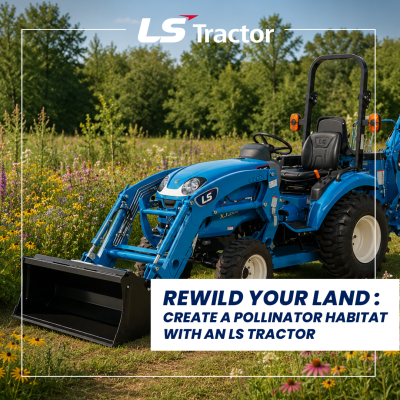
How to Rewild Your Lawn: Create a Pollinator Habitat with an LS Tractor

How to Rewild Your Lawn: Create a Pollinator Habitat with an LS Tractor

Wondering how to rewild your lawn? Creating a pollinator habitat with native wildflowers is one of the easiest ways to improve biodiversity, reduce maintenance, and support local wildlife. Whether you own five acres or fifty, this guide shows you how to rewild your lawn and how an LS Tractor can make the project easier from start to finish.

Every spring and summer, bees buzz from flower to flower, butterflies drift across fields, and hummingbirds dart between blossoms. These pollinators do far more than add beauty to the landscape – they help produce many of the fruits, vegetables, and flowers we rely on every day.

Unfortunately, pollinator populations continue to decline as natural habitats disappear. The good news? You don’t need hundreds of acres to make a difference.

Learning how to rewild your lawn is one of the easiest ways to improve your property while supporting bees, butterflies, hummingbirds, and other important pollinators. For rural homeowners and homesteaders, it’s a practical rural property improvement project that benefits both wildlife and your land.

Whether you own five acres or fifty, setting aside even a small portion of your property as a pollinator habitat can help restore biodiversity while creating a landscape that’s beautiful, low-maintenance, and beneficial for wildlife. Better yet, if you own an LS Tractor, you already have one of the best tools for creating and maintaining these natural spaces.

What Does It Mean to Rewild Your Lawn?

Rewilding doesn’t mean abandoning your property or letting weeds completely take over. Instead, it’s the intentional process of allowing portions of your landscape to return to a more natural state by replacing traditional turfgrass with native grasses, wildflowers, shrubs, and other plants that support local wildlife.

Traditional lawns often require frequent mowing, watering, fertilizers, and herbicides while offering very little food or shelter for pollinators. Even by converting a small section of lawn into a native habitat, you’re creating an ecosystem that works with nature rather than against it.

The best part? You don’t have to transform your entire property overnight.

Starting with a small area – perhaps a corner of your yard, a fence line, or an unused section of pasture – is enough to begin making an impact.

Why Pollinator Habitats Matter When You Rewild Your Lawn

Native pollinators play a critical role in healthy ecosystems. Bees, butterflies, moths, beetles, and hummingbirds pollinate countless flowering plants, fruit trees, vegetables, and crops. Creating habitat for these species offers benefits beyond helping wildlife.

A pollinator-friendly landscape can:

  • Increase biodiversity on your property
  • Improve soil health by encouraging natural plant communities
  • Reduce mowing, watering and chemical use
  • Create food and shelter for birds and beneficial insects
  • Add seasonal color and visual interest
  • Improve resilience during drought and changing weather conditions

For homesteaders and rural property owners, healthy pollinator populations can also improve garden productivity and support healthier orchards and food plots.

Start Small with a Native Pollinator Garden

One of the biggest misconceptions about rewilding lawns is that it has to happen all at once. Instead, think of your property as evolving over time.

A simple 5-by-5-foot planting bed can eventually become a thriving pocket of native flowers buzzing with bees and butterflies. As you gain confidence, you can expand these areas into larger meadow sections connected by natural borders or hedgerows.

Planting native wildflowers is one of the most important steps when you rewild your lawn. Native wildflowers are adapted to your local climate, require less maintenance, and provide nectar and pollen throughout the growing season.

Depending on your region, popular pollinator plants may include:

  • Milkweed
  • Purple coneflower
  • Black-eyed Susan
  • Goldenrod
  • Little bluestem
  • Joe-Pye weed
  • Native asters

A diverse mix of species provides blooms throughout the growing season, ensuring pollinators always have a reliable food source.

How an LS Tractor Helps You Rewild Your Lawn

Creating a native meadow or pollinator garden is much easier when you have the right equipment. A compact tractor is one of the most valuable tools for land management, helping prepare seedbeds, remove unwanted vegetation, spread seed, and maintain trails throughout the habitat. An LS Tractor equipped with the proper implements can simplify nearly every stage of the process.

Prepare the Site

Most pollinator gardens begin by removing existing turfgrass or unwanted vegetation. Depending on the condition of your property, a rotary cutter can clear tall grass and brush, while a box blade or landscape rake helps level and prepare the planting area for seeding.

For larger projects, your front-end loader can quickly remove rocks, debris, old fencing, or brush piles before planting begins.

Improve the Soil

Healthy soil creates healthy plants. If compost or organic matter needs to be incorporated before planting, your loader can transport materials efficiently while reducing manual labor. Light tillage can also help prepare seedbeds where appropriate.

Native plants don’t require rich, heavily fertilized soil, but preparing the planting area properly helps improve establishment during the first growing season.

Plant Native Seed

Once the area is prepared, a tractor-mounted spreader makes broadcasting native seed across larger areas fast and consistent. Many landowners establish meadows during dormant seeding or frost seeding periods, allowing natural freeze-and-thaw cycles to work seed into the soil.

Whether you’re planting a quarter-acre or several acres, using your tractor saves significant time compared to hand seeding.

Create Walking Paths

One advantage of a managed meadow is that it remains accessible. Instead of mowing the entire area, use your tractor to maintain narrow walking paths through the flowers. These trails allow you to enjoy wildlife up close while defining the space and keeping it looking intentional.

The contrast between neatly maintained paths and natural vegetation creates an attractive landscape that feels both organized and inviting.

Pollinator-Friendly Landscaping Starts with Smarter Mowing

Pollinator-friendly landscapes don’t eliminate mowing – they simply change when and where you mow. Instead of cutting everything every week, consider leaving selected areas untouched throughout the growing season.

When mowing is necessary:

  • Leave flowering areas intact during peak bloom.
  • Rotate which sections are mowed each year.
  • Maintain clean edges around native plantings.
  • Save larger mowing projects for late fall or winter after most pollinators have completed their life cycles.

This approach preserves nesting habitat while still keeping your property neat and manageable.

Add the Finishing Touches

Pollinator-friendly landscapes become even more valuable when you include features that support wildlife throughout the year.

Consider adding:

Resist the urge to remove every fallen leaf. Leaves act as natural mulch while providing a winter habitat for many beneficial insects.

Stewardship Starts at Home

You don’t need to own a nature preserve to make a meaningful difference. Every native flower planted, every section of lawn converted into habitat, and every pollinator that finds food on your property contributes to a healthier ecosystem.

Whether you want to rewild your lawn, establish a pollinator garden, or create a native meadow, every project is an investment in healthier land. With an LS Tractor, rural property improvement projects like these become easier to accomplish while helping restore habitat for future generations.

At LS Tractor, we know our customers take pride in caring for their land. Creating pollinator habitat is another way to invest in your property – supporting wildlife today while helping ensure healthier landscapes for generations to come.


Published on July 20, 2026 and written by Kimberly Steele
Dealer Success Story: How Lang Equipment and LS Tractor Are Growing Together Through Family Values and Customer Service

Dealer Success Story: How Lang Equipment and LS Tractor Are Growing Together Through Family Values and Customer Service

Discover how Lang Equipment grew from a small family business into a six-location LS Tractor dealership built on exceptional customer service and family values. Watch the Lang family’s recent interview with LS Tractor team members as they discuss their business expansion and a partnership with LS Tractor that goes beyond selling tractors.

Some businesses are built around products. Others are built around people.

For Lang Equipment, LLC, it’s always been about both.

What began in 2010 as a small operation buying, rebuilding, and selling used skid steers has grown into an award-winning, family-owned dealership serving customers across Wisconsin and North Carolina. Along the way, one thing has remained constant: a commitment to treating every customer like family.

Today, Lang Equipment operates six locations while offering outdoor power equipment, compact tractors, mini excavators, powersports equipment, parts, and factory-trained service. As the business has grown, so has its partnership with LS Tractor, built on a shared belief that exceptional customer service is just as important as exceptional equipment.

From Humble Beginnings to Six Locations

Like many successful dealerships, Lang Equipment didn’t begin with a grand master plan. Owners Nate and Angie Lang started the business by buying and rebuilding used skid steers before expanding into mowers, compact tractors, mini excavators, and outdoor power equipment. In 2013, they added new tractor lines, opening the door to even greater opportunities.

Today, Lang Equipment serves customers from locations in Marshfield, Medford, Rothschild, Chippewa Falls, and Hudson, Wisconsin as well as Rocky Mount, North Carolina. Despite that impressive growth, Nate says the company’s success has never been about buildings or inventory. It’s about people.

“Our staff really takes charge and does the things necessary to make everybody happy and get everybody on the same page,” Nate explains. “Keeping our customers informed – I think that’s the root of our success. It’s really our people, our employees, and their dedication.”

That employee-first philosophy has helped Lang Equipment earn a reputation for knowledgeable service and long-term customer relationships.

A Business That Grew Alongside a Family

Although Lang Equipment wasn’t originally intended to become a family business, that’s exactly what happened.

“We grew it as a family,” Angie says. “I don’t know that we necessarily started it with the intention of it being a family business, but we got the whole family involved, and our kids grew up with us building the business.”

One of those children is Connor Lang, who now manages the Hudson, Wisconsin location.

Having watched the business evolve from childhood, Connor has gained a unique appreciation for the work behind its success.

“My parents were arms deep in it the entire time,” Connor says. “I watched it from the outside as a young kid, and now that I’m more involved, it’s been really cool to understand what it took – and what it’s going to continue to take to keep growing.”

Even as Lang Equipment has expanded into multiple locations, Connor says the family atmosphere has never disappeared.

“The commitment to the family side of things has never left, even with our growth. That’s something we’ll continue to do as we expand.”

That commitment extends beyond family members to employees and customers alike, creating an environment where relationships matter as much as sales.

A Partnership Built on Shared Values

When Lang Equipment evaluated tractor manufacturers, they weren’t simply looking for another brand to carry. They were looking for a partner that shared their approach to customer care.

“We added LS Tractor because what they offered really fit with what we like to do as far as customer service,” Nate says. “It meshed really well for us because I think their dedication to the customer is very much on the same level.”

For Lang Equipment, the partnership goes beyond selling tractors. That shared commitment has helped both companies build lasting relationships with rural landowners, homeowners, homesteaders, hobby farmers and professionals looking for dependable equipment backed by dependable support.

Why the LS Tractor Lineup Stands Out

The Lang family doesn’t just sell LS Tractor equipment – they use it and know it firsthand.

Connor appreciates the value customers receive across the lineup.

“There are a couple of things about the LS lineup that really put them above the rest,” he explains. “The lift capacities are extremely competitive. The engines are smooth, and premium features like rear hydraulic remotes and pre-plumbed third-function valve come standard on many models. That’s a lot of value packed into one machine.”

His favorite models?

“The MT232 and the MT242. Both are really loaded machines whether you choose a cab or open station.”

Nate also points to the MT242 as one of his favorites.

“I think the power combination is really good for the size, along with the lift capacity.”

For Angie, however, versatility and comfort make the biggest difference.

“The MT125 fits me well,” she says. “The joystick is comfortable, the ride is smooth, and it makes me feel confident doing jobs that I sometimes felt I couldn’t do before.”

Their different perspectives highlight one of the strengths of the LS Tractor lineup: there’s a model designed to meet a wide variety of customers and property needs.

Investing in Service Beyond the Sale

One reason customers continue returning to Lang Equipment is the confidence they have after the purchase.

The dealership invests heavily in technician education and factory certification because Nate believes customers deserve repairs completed correctly the first time. Rather than relying on trial-and-error experience, Lang Equipment equips its technicians with manufacturer training that builds confidence and consistency in every service appointment. This commitment to ongoing education reflects the company’s larger philosophy that outstanding experiences begin long after the initial sale.

Combined with knowledgeable parts departments, responsive communication, and a customer-first mindset, Lang Equipment has built a reputation for supporting equipment owners throughout the life of their machines.

Looking Toward the Future

As Lang Equipment continues to grow, the Lang family sees tremendous opportunity ahead.

“Our future with LS is bright,” Nate shared. “LS brings a great product to the table, and I believe Lang Equipment does a good job of representing the brand by committing the time and doing what it takes to be a good LS dealer.”

That vision isn’t simply about adding locations. It’s about continuing to serve customers the same way they always have – with honesty, knowledgeable staff, dependable equipment, and a family-oriented approach that has guided the business since day one.

As Lang Equipment and LS Tractor continue growing together, one thing is clear: when shared values come first, success naturally follows.

If you are considering a tractor purchase in the Wisconsin or North Carolina area, pay a visit to one of Lang Equipment’s locations to learn more about LS tractors and why the Lang’s consider them to be above the rest.


Lang Equipment Wausau

1575 County Rd XX, Rothschild, WI 54474

(715) 298-6600


Lang Equipment Marshfield

8868 Heritage Dr., Marshfield, WI 54449

(715) 591-7774


Lang Equipment Medford

501 N. 8th St., Medford, WI 54451

(715) 748-3242


Lang Equipment Hudson

627 Commerce Dr., Hudson, WI 54016

(715) 307-4738


Lang Equipment Chippewa Falls

1212 Lowater Rd., Chippewa Falls, WI 54729

(715) 226-4318


Lang Equipment Rocky Mount

3112 N Church St., Rocky Mount, NC 27804

(252) 231-2687


Published on July 14, 2026 and written by Kimberly Steele
How to Create an Edible Landscape with a Grazing Garden and Backyard Food Forest

How to Create an Edible Landscape with a Grazing Garden and Backyard Food Forest

Discover how grazing gardens, edible landscaping, and backyard food forests can transform your property into a beautiful, productive space with help from LS Tractor.

For generations, the ideal backyard featured a lush green lawn, neatly trimmed shrubs, and colorful flower beds. While those landscapes are certainly attractive, many homeowners are beginning to ask a simple question:

What if my yard could be just as beautiful and provide fresh food at the same time?

That’s exactly what’s driving the growing popularity of grazing gardens, one of the newest trends in edible landscaping. Instead of dedicating one corner of the yard to a traditional vegetable garden, homeowners are blending fruits, vegetables, herbs, edible flowers, and berry bushes directly into their landscapes. The result is a beautiful, productive outdoor space that’s designed to be enjoyed every day.

Whether you call it a foodscape design, a backyard food forest, or an edible landscape, the goal is the same: create a yard that’s as functional as it is beautiful.

Better yet, you don’t need a large farm to get started. Even a modest backyard can become a thriving source of fresh produce with thoughtful planning, quality soil, and the right equipment. An LS compact tractor paired with the proper implements can help homeowners complete projects faster – from preparing the ground and building raised beds to moving compost, mulch, and landscaping materials.

Why More Homeowners are Replacing Grass with Edible Landscaping

Traditional lawns have long been the standard for residential landscapes, but they’re also one of the most resource intensive features of a property. Maintaining a healthy lawn often requires regular mowing, watering, fertilizing, weed control, and seasonal upkeep – all without producing anything beyond visual appeal.

Today’s homeowners are looking for landscapes that work a little harder. By choosing edible landscaping, you can transform underutilized areas into spaces that provide fresh food, support local wildlife, and create year-round visual interest. Instead of growing plants solely for appearance, edible landscapes combine ornamental beauty with practical harvests.

Some of the biggest benefits include:

  • Fresh fruits, vegetables, herbs, and edible flowers just steps from your kitchen
  • Lower grocery bills by harvesting seasonal produce at home
  • Reduced food miles and greater self-sufficiency
  • Improved biodiversity by attracting bees, butterflies, and other beneficial pollinators
  • Healthier soil through composting and organic gardening practices
  • Less lawn to mow and maintain
  • Outdoor spaces that encourage families to spend more time together

Perhaps best of all, edible landscaping can be customized to fit almost any property. Whether you own a suburban lot, a rural homestead, or several acres, you can start small and expand your garden over time.

What is a Grazing Garden?

A grazing garden is a relaxed, inviting type of edible landscape where food-producing plants are arranged throughout the yard instead of being confined to neat rows.

Imagine walking through your backyard and picking a handful of cherry tomatoes for lunch, fresh basil for pasta, blueberries for breakfast, or a few strawberries while enjoying your morning coffee. That’s the idea behind a grazing garden – it encourages everyday harvesting while creating a landscape that’s beautiful enough to enjoy even when nothing is being picked.

Unlike a traditional vegetable garden, grazing gardens emphasize variety, accessibility, and aesthetics. Plants are often grouped by color, texture, or growing habits rather than planted in straight rows, creating landscape that feels natural and welcoming.

Popular plants include:

  • Cherry tomatoes
  • Strawberries, blueberries and raspberries
  • Leaf lettuce and kale
  • Snap peas
  • Cucumbers
  • Sweet peppers
  • Green onions
  • Culinary herbs like basil, rosemary, thyme, parsley, and oregano
  • Edible flowers such as nasturtiums and calendula
  • Dwarf fruit trees

Many homeowners place grazing gardens near patios, outdoor kitchens, grilling areas, or walkways so fresh ingredients are always within easy reach.

Quick Take: Grazing Garden vs. Traditional Vegetable Garden

Grazing Garden Traditional Garden
Blends into your landscape Usually planted in rows
Focuses on beauty and food Focuses primarily on food production
Easy to harvest while walking through yard Harvested from a dedicated garden space
Vegetables, flowers, herbs, shrubs and fruit trees Mostly annual vegetables
Enhances curb appeal Often hidden in the backyard


Foodscape Ideas That Blend Beauty and Productivity

One of the misconceptions about edible gardening is that it must look like a traditional vegetable patch. In reality, some of the most successful foodscape ideas are nearly indistinguishable from ornamental landscaping. Thoughtful foodscape design focuses on creating visual appeal while maximizing food production.

Consider incorporating ideas like these:

Let Fruit Trees Become the Focal Point

Instead of planting ornamental trees, choose dwarf apple, pear, peach, or cherry trees. Their spring blossoms provide seasonal beauty, while summer and fall harvests reward you with fresh fruit.

Replace Shrubs with Berry Bushes

Blueberries, raspberries, blackberries, currants, and gooseberries make excellent hedges or border plantings. They offer colorful foliage, seasonal flowers, privacy, and delicious harvests.

Mix Vegetables into Flower Beds

Leafy greens, rainbow chard, purple cabbage, peppers, and herbs can easily be incorporated among ornamental flowers to add texture and vibrant color.

Grow Up Instead of Out

Trellises, arbors, and decorative fencing create opportunities for climbing plants like cucumbers, pole beans, grapes, and even small melons. Vertical gardening makes efficient use of space while adding visual interest.

Add Raised Beds Throughout the Landscape

Rather than grouping every vegetable into one large garden, distribute raised beds throughout the property. This creates smaller destination gardens while making watering and harvesting more convenient.

For homeowners looking for backyard homestead ideas, these simple additions are an excellent way to begin replacing traditional lawns with productive landscapes.

Equipment Checklist for Building an Edible Landscape

One of the advantages of starting an edible landscape is that you don’t have to complete everything at once. Many homeowners build their foodscape one project at a time, adding new features each growing season.

Having the right equipment makes every project easier.

Essential Gardening Tools

  • Garden rake
  • Shovel
  • Wheelbarrow
  • Hand pruners
  • Garden hose or irrigation system
  • Compost and mulch
  • Raised bed materials

Equipment That Saves Time

As your projects become larger, equipment can dramatically reduce manual labor while improving efficiency. An LS compact tractor equipped with the right attachments helps simplify many of the heavier jobs associated with creating an edible landscape.

Some of the most valuable implements include:

  • Front-End Loader: Move compost, mulch, topsoil, gravel, and landscape materials with ease.
  • Box Blade: Prepare and level areas for raised beds, pathways, and planting sites.
  • Rotary Tiller: Incorporate compost into the soil and create an ideal planting bed for vegetables and flowers.
  • Pallet Forks: Transport lumber, raised bed kits, fruit trees, fencing materials, and pallets of soil efficiently

Instead of spending an entire weekend moving materials by hand, the right compact tractor allows you to spend more time plating and enjoying your landscape. Choosing the right implements is only the first step. Keeping them in peak condition ensures they’re ready whenever inspiration strikes.

How to Build a Backyard Food Forest That Produces for Years

If you’re looking to create a landscape that becomes more productive with each passing season, consider adding a backyard food forest to your property.

Unlike a traditional vegetable garden that requires replanting every year, a food forest garden is designed to mimic the layers of a natural woodland ecosystem.  Each layer serves a purpose, creating a healthy, self-supporting environment where plants work together rather than compete.

A typical food forest includes:

  • Canopy layer: Dwarf fruit or nut trees
  • Understory layer: Smaller fruit trees like pears
  • Shrub layer: Blueberries, raspberries, blackberries, currants, or gooseberries
  • Herbaceous layer: Culinary herbs, perennial vegetables, and edible flowers
  • Groundcover layer: Strawberries, creeping thyme, or clover
  • Root layer: Garlic, onions, carrots, or other root vegetables
  • Vine layer: Grapes, kiwi, climbing beans, or cucumbers

By planting in layers, you maximize every square foot of your property while creating natural shade, retaining soil moisture, and encouraging biodiversity.

One of the biggest advantages of a food forest is that it often becomes easier to maintain over time. As leaves, mulch and organic matter break down, they naturally enrich the soil, reducing the need for additional fertilizers. Deep-rooted perennial plants also require less irrigation once established.

The key is to start small. Even one fruit tree, a few berry bushes, and a handful of perennial herbs can become the foundation for a thriving food forest that grows a little larger every year.

How to Replace Grass with Edible Landscaping

If the idea of removing your entire lawn feels overwhelming, don’t worry. You don’t have to do it all at once. The best edible landscapes evolve over time. Start with one manageable project, learn what grows well in your area, and expand as your confidence grows.

Step 1: Evaluate Your Property

Before planting anything, spend time observing your landscape.

Ask yourself:

  • Which areas receive at least six to eight hours of sunlight?
  • Where does water naturally collect after a heavy rain?
  • Are there existing trees or shrubs you can incorporate into your design?
  • Which areas are easiest to access for watering and harvesting?

Taking time to understand your property’s natural conditions will help you choose plants that thrive with less maintenance.

Step 2: Improve the Soil

Healthy gardens begin with healthy soil. Add compost, organic matter, and mulch to improve soil structure, increase water retention, and feed beneficial microorganisms. If your soil is compacted, loosening it before planting encourages stronger root growth.

A rotary tiller behind an LS compact tractor makes this job significantly faster, mixing compost evenly into the soil while creating an ideal planting bed.

Step 3: Build the Framework

Once the soil is prepared, begin creating the permanent features of your landscape.

This may include:

  • Raised garden beds
  • Gravel or mulch pathways
  • Fruit tree planting areas
  • Decorative borders
  • Compost bins
  • Rainwater collection systems

Rather than tackling one enormous project, complete one area at a time. Each finished space becomes immediately usable while leaving room for future expansion.

Step 4: Plant in Layers

One of the defining characteristics of good foodscape design is layering.

Start with trees, then work downward by adding shrubs, herbs, vegetables, flowers, and groundcovers. This approach creates visual interest while making better use of available space.

Don’t forget to include flowering herbs and native plants to attract bees, butterflies, and other beneficial pollinators.

Step 5: Mulch, Water, and Enjoy

Finish each planting area with a generous layer of mulch to help retain moisture, suppress weeds, and regulate soil temperatures.

From there, enjoy watching your landscape mature with each passing season.

Weekend Landscaping Project: Transform Your Backyard

One of the best things about edible landscaping is that you can accomplish meaningful progress in just a few days or weekends.

Here’s an example of how homeowners can begin transforming part of their property in less than one month:

Weekend 1

  • Sketch a simple garden layout
  • Mark planting areas with landscape paint or stakes
  • Gather compost, mulch, lumber, and planting materials

Weekend 2

Weekend 3

  • Plant fruit trees and berry bushes
  • Install herbs, vegetables, and flowers
  • Apply mulch
  • Water thoroughly
  • Add decorative finishing touches like stepping stones or edging

In a short period of time, you’ll have the foundation for an edible landscape that can continue growing for years.

Why a Compact LS Tractor is the Best Tractor for Homesteading Projects

Many homeowners begin with hand tools, but as edible landscapes expand, so does the amount of work involved.

That’s where an LS compact tractor becomes one of the most valuable tools on your property. Instead of replacing hard work, it helps you accomplish more in less time – allowing you to focus on planting, harvesting, and enjoying your landscape.

Preparing the Site

Before plating begins, a box blade smooths uneven ground, grades pathways, and prepares planting areas for raised beds and gathering spaces

Building Raised Beds

A front-end loader quickly moves topsoil, compost, gravel, and mulch while pallet forks make transporting lumber, raised bed kits, fencing materials, and pallets of soil much easier.

Creating Healthy Soil

Healthy soil is the heart of every successful edible landscape. Using a rotary tiller, homeowners can blend compost into the soil quickly and evenly, creating ideal growing conditions while saving hours of manual labor.

Maintaining Your Landscape

Long after planting day, your compact LS tractor continues working year-round.

Use the loader to refresh mulch around trees, transport compost to planting beds, move harvested pumpkins or firewood, clean up storm debris, maintain gravel pathways, or relocate landscaping materials for your next project.

As your edible landscape grows, your tractor becomes an investment that supports every season – not just planting day.

For many homeowners searching for the best tractor for homesteading, an LS compact tractor paired with the right implements provides the versatility needed for gardening, landscaping, property maintenance, and countless weekend projects.

Keeping Your Edible Landscape Growing for Years to Come

One of the greatest advantages of edible landscaping is that it becomes more rewarding with time. While annual vegetables may come and go each season, fruit trees, berry bushes, perennial herbs, and other long-lived plants continue to mature, often producing larger harvest year after year.

Like any landscape, however, a foodscape benefits from routine care. A few seasonal maintenance tasks can help keep your edible landscape healthy, productive, and beautiful:

  • Add a fresh layer of compost each spring to replenish soil nutrients.
  • Apply mulch around trees, shrubs, and garden beds to retain moisture and suppress weeds
  • Prune fruit trees and berry bushes during their dormant season to encourage healthy growth and improve fruit production.
  • Rotate annual crops, when possible, to reduce pest and disease pressure.
  • Regularly inspect irrigation systems and water deeply during extended dry periods.
  • Pull weeds before they have a chance to spread and compete with desirable plants
  • Continue adding flowering herbs and native plants to attract pollinators and beneficial insects.

As your landscape evolves, you’ll likely discover new opportunities to expand. Perhaps you’ll add another raised bed, plant a few more fruit trees, build a composting station, or install a trellis for climbing vegetables. Every season is another chance to make your landscape a little more productive.

Rather than being a one-time project, an edible landscape is an investment that continues to provide fresh food, lasting beauty, and enjoyment for years to come.

Grow More Than a Garden – Grow a Lifestyle

The growing popularity of grazing gardens reflects a larger shift in how homeowners think about their outdoor spaces. Today’s landscapes are no longer just places to admire from the porch – they’re becoming extensions of the home where families gather, children learn where food comes from, and fresh ingredients are harvested just steps from the kitchen.

Whether your goal is to grow a handful of herbs, replace part of your lawn with edible landscaping, or build a thriving backyard food forest, every project begins with a single step. Start with one raised bed. Plant one fruit tree. Add a row of berry bushes. Build your landscape one season at a time.

Before long, you’ll have a yard that’s working just as hard as you are by producing fresh food, supporting pollinators, reducing maintenance, and creating memories that can be shared for generations.

At LS Tractor, we’re proud to help homeowners, gardeners, and homesteaders bring those projects to life. From preparing the ground and building raised beds to hauling compost, planting trees, and maintaining your property through every season, an LS compact tractor and the right implements can help turn today’s ideas into tomorrow’s harvest.

Ready to begin your edible landscaping journey? Visit your local LS Tractor dealer to explore compact tractors and implements designed to help you accomplish more.

Frequently Asked Questions

What is an edible landscape?

An edible landscape is a landscape that combines food-producing plants with traditional ornamental plants to create a space that’s both attractive and productive. Fruit trees, vegetables, herbs, berry bushes, edible flowers, and groundcovers are integrated throughout the yard, allowing homeowners to enjoy fresh produce while maintaining beautiful curb appeal.

What is a food forest?

A food forest is a multi-layered planting system designed to mimic the structure of a natural forest. Instead of growing crops in rows, a food forest combines fruit trees, shrubs, herbs, vines, root crops, and groundcovers that work together to create a productive, low-maintenance ecosystem.

Can you grow enough food on one acre?

Yes. With thoughtful planning, one acre can produce a significant number of fruits, vegetables, herbs, and berries throughout the growing season. Raised beds, vertical growing systems, fruit trees, companion planting, and perennial crops help maximize available space and increase harvests.

How do you convert a lawn into a garden?

Start by selecting a sunny area and removing or covering the existing grass. Improve the soil with compost and organic matter, then install pathways or raised beds before planting. Many homeowners find success by converting one section of the yard at a time rather than tackling the entire lawn at once.

What equipment do you need to build raised beds?

Basic hand tools like shovels, rakes, wheelbarrows, and drills are helpful for smaller projects. For larger landscaping jobs, a compact tractor equipped with a front-end loader and pallet forks makes moving lumber, compost, mulch, topsoil, and other materials much more efficient.

What tractor attachments are best for gardening?

Some of the most useful tractor attachments for gardening include:

  • Front-end loader for moving compost, mulch, soil, and gravel
  • Rotary tiller for preparing planting beds and incorporating compost
  • Box blade for grading and leveling garden sites
  • Pallet forks for transporting raised bed materials, trees, fencing, and landscaping supplies

These versatile implements help reduce manual labor while making property improvements faster and easier.

How do you prepare soil for a food forest?

Begin by evaluating drainage, sunlight, and soil quality. Incorporate compost or other organic matter to improve soil structure, then mulch heavily to retain moisture and suppress weeds. Plant trees first, followed by shrubs, herbs, groundcovers, and vines to create a layered ecosystem that becomes more productive over time.

What can you grow in an edible landscape?

Almost any food-producing plant can become part of an edible landscape. Popular choices include dwarf fruit trees, berry bushes, tomatoes, peppers, lettuce, kale, herbs, edible flowers, strawberries, grapes, cucumbers, beans, root vegetables, and even mushrooms. The best plant selections depend on your growing zone, available sunlight, and the overall design of your landscape.


Published on July 8, 2026 and written by Kimberly Steele
Regenerative Farming on a Small Acreage: How a Compact Tractor Can Help

Regenerative Farming on a Small Acreage: How a Compact Tractor Can Help

Whether you’re managing five acres or fifty, regenerative farming offers practical ways to improve soil health, reduce inputs, and create a more productive property. The best part? You don’t need a large farm to put these principles into practice. With thoughtful land management – and the right equipment – small-acreage owners can build healthier soil, support biodiversity, and create a more resilient homestead.

For many homesteaders, a few acres is more than just a piece of land – it’s an opportunity to grow food, raise animals, improve the soil, and create a more self-sufficient lifestyle. As interest in regenerative agriculture continues to grow, more small-acreage owners are looking for ways to work with nature instead of against it.

Whether you’re growing vegetables, managing a small orchard, raising livestock, or simply improving your property, regenerative farming focuses on building healthy soil, increasing biodiversity, and creating a more resilient ecosystem.

While regenerative homesteading emphasizes natural systems and low-input methods, having the right equipment can make the process far more efficient. A LS compact tractor can help homesteaders tackle labor-intensive projects such as compost management, cover crop establishment, material handling, and pasture maintenance while supporting long-term land stewardship goals.

What is Regenerative Homesteading?

At its core, regenerative homesteading is about improving the land year after year. Instead of simply taking nutrients from the soil, regenerative practices focus on restoring them. The goal is to create a healthier ecosystem that supports productive gardens, pastures, livestock, and wildlife while reducing the need for outside inputs.

While every homestead is unique, most regenerative systems are built around a few key principles:

  • Build healthy, living soil.
  • Keep the soil covered whenever possible.
  • Increase plant diversity.
  • Incorporate animals thoughtfully.
  • Work with local conditions and natural cycles.

The result is a property that becomes more productive, resilient, and sustainable over time.

Healthy Soil Is the Foundation

If there is one thing regenerative homesteaders focus on more than anything else, it’s soil health.

Healthy soil does much more than support plant growth. It stores water, cycles nutrients, supports beneficial microorganisms, and helps plants withstand drought, pests, and other stresses.

Healthy soil also contains billions of microorganisms – including bacteria, fungi, earthworms, and other beneficial organisms – that work together to break down organic matter and recycle nutrients. Protecting this living ecosystem is one of the primary goals of regenerative farming.

One of the fastest ways to improve soil health is by adding organic matter through compost, mulch, and plant residues. Many homesteaders start composting kitchen scraps, garden waste, leaves, and animal bedding to create a nutrient-rich amendment that can be returned to the soil.

Regular soil testing is another valuable practice. Understanding your soil’s nutrient levels, pH, and organic matter content allows you to make informed decisions before applying compost or other amendments, helping you build healthier soil more efficiently.

On a small property, moving and spreading compost by hand may be manageable at first. However, as gardens expand and compost production increases, a compact tractor or utility tractor equipped with a front-end loader can dramatically reduce the labor involved in transporting, turning, and distributing compost around the property.

Keep the Soil Covered

Bare soil is vulnerable to erosion, moisture loss, and extreme temperatures. That’s why regenerative growers work to keep their soil covered throughout the year.

Mulch, cover crops, crop residues, and perennial plantings all help protect the soil from wind, rain, and intense sunlight. They also feed beneficial soil organisms and improve water retention.

Cover crops such as clover, rye, and alfalfa are especially popular among regenerative homesteaders. These plants protect the soil during the off-season while adding organic matter and, in some cases, fixing nitrogen naturally.

A compact tractor or utility tractor can help prepare planting areas, establish cover crops, and manage crop residues. With the right implements, small-acreage owners can seed larger areas quickly and efficiently while minimizing soil disturbance.

Disturb the Soil Less

One of the guiding principles of regenerative agriculture is minimizing unnecessary soil disturbance.

Repeated deep tillage can disrupt soil structure, damage beneficial organisms, and reduce organic matter over time. Instead, many regenerative growers use low-till or reduced-till methods whenever possible.

This doesn’t mean tractors are off-limits. In fact, compact tractors can support regenerative goals when used strategically. Light soil preparation, shallow incorporation of organic materials, and targeted land management tasks can help improve productivity while preserving soil health.

The key is using equipment as a tool to support the land – not constantly reshape it.

Diversity Creates Resilience

Nature rarely grows a single crop in isolation. Healthy ecosystems are built on diversity, and regenerative homesteads follow the same principle.

Many homesteaders incorporate a mix of vegetables, fruits, flowers, herbs, trees, and livestock to create a balanced environment. Companion planting, edible perennials, pollinator habitats, and agroforestry systems all contribute to a healthier landscape.

Fruit trees, berry bushes, asparagus beds, and other perennial crops can provide harvests for years while requiring less soil disturbance than annual plantings.

As these systems expand, a compact tractor becomes useful for transporting mulch, preparing planting sites, moving materials, and maintaining access paths throughout the property.

Integrating Livestock into the System

Animals can play an important role in regenerative homesteading when managed properly.

Chickens, ducks, rabbits, goats, sheep, and cattle all contribute valuable manure that can be composted and returned to the soil. Rotational grazing systems can also help improve pasture health while preventing overgrazing.

Managing livestock often involves moving feed, bedding, fencing materials, and manure. These routine tasks can quickly become time-consuming without equipment.

A compact tractor can help streamline daily chores by transporting materials, maintaining pasture areas, and assisting with fence installation and repairs. This allows homesteaders to spend less time on manual labor and more time managing their animals and land.

Water Management Matters

Healthy soil and effective water management go hand in hand.

Regenerative homesteaders often focus on capturing and retaining rainfall through practices such as mulching, swales, contour planting, and strategic landscaping. These methods help reduce runoff and improve moisture retention during dry periods.

On larger homestead projects, a compact tractor can assist with shaping drainage areas, moving soil, installing water infrastructure, and maintaining access routes. These improvements can make a significant difference in the long-term productivity of the property.

Small Changes Lead to Big Results

One of the most appealing aspects of regenerative homesteading is that it doesn’t require a complete lifestyle overhaul from day one.

Many successful homesteaders begin with simple practices such as:

  • Starting a compost
  • Planting a cover crop.
  • Adding mulch to garden beds.
  • Introducing pollinator-friendly plants.
  • Rotating livestock through pastures.
  • Planting fruit trees or edible perennials
  • Conducting regular soil tests.

Every improvement builds on the last. Over time, these simple practices create healthier soil, stronger plant growth, better water retention, and a more resilient property that requires fewer outside inputs.

Plan Your Regenerative Projects Before Choosing Equipment

As your homestead grows, so will the projects that require equipment. Before investing in a tractor, think about both your current needs and your future goals.

Consider questions such as:

  • How many acres will you maintain?
  • Will you be raising livestock?
  • Are you planning a large vegetable garden or orchard?
  • Will you need to move compost, mulch, gravel, or hay?
  • Which implements will you use most often?

Choosing a versatile compact tractor with the right attachments allows your equipment to grow alongside your homestead, making it a valuable investment for years to come.

Why a Compact LS Tractor Makes Sense for Regenerative Homesteads

As regenerative projects grow, so do the daily tasks required to maintain them. Whether you’re turning compost, moving mulch, maintaining trails or managing livestock areas, a LS compact tractor provides the versatility to handle changing needs throughout the seasons.

When paired with implements such as a front-end loader, rotary cutter, rake grapple, box blade or backhoe, a LS compact tractor becomes an all-purpose tool for regenerative land management. It helps reduce manual labor while making routine projects more efficient, allowing homesteaders to spend more time improving the health of their land and less time performing physically demanding tasks.

The Right Tools for the Journey

Regenerative homesteading is ultimately about stewardship. It’s about leaving the land healthier than you found it while creating a productive and sustainable place to live.

While nature does much of the heavy lifting, the right equipment can help you accomplish more in less time. A compact tractor along with the appropriate attachments and implements provides the versatility needed to manage compost, establish cover crops, move materials, maintain pastures, support livestock operations, and tackle countless other projects that improve the land over time.

Every season offers an opportunity to improve your property. By combining regenerative farming practices with versatile equipment designed for small-acreage work, you can spend less time on labor-intensive tasks and more time building a healthier, more productive homestead for future generations.


Frequently Asked Questions About Regenerative Farming

What is regenerative farming?

Regenerative farming is a land management approach that focuses on improving soil health, increasing biodiversity, and strengthening natural ecosystems over time.

Can you practice regenerative farming on a small acreage?

Many regenerative techniques, including composting, cover crops, rotational grazing, and mulching are well suited to homesteads and properties of just a few acres.

Is regenerative farming the same as organic farming?

Not necessarily. Organic farming focuses on approved growing practices and materials, while regenerative farming emphasizes improving soil health, increasing biodiversity, and restoring natural ecosystems. Many farms use practices from both approaches.

Do you need a tractor for regenerative farming?

A compact tractor can significantly reduce the labor involved in moving compost, maintaining trails, planting cover crops, transporting materials, and caring for livestock.

What tractor size is best for a homestead?

For many small-acreage properties, compact tractors in the 25–45 horsepower range provide the versatility needed for gardening, landscaping, pasture maintenance, and material handling.

What tractor implements are most useful for regenerative farming?

A front-end loader, rotary cutter, tiller, spreader, pallet forks, and post-hole digger are among the most useful implements for regenerative homesteads. These attachments help with compost management, pasture maintenance, fencing projects, material handling, and seasonal property improvements.


Published on June 25, 2026 and written by Kimberly Steele
A Wish on Four Wheels: How One LS Tractor Helped Make a Dream Come True

A Wish on Four Wheels: How One LS Tractor Helped Make a Dream Come True

Some stories remind us that tractors do more than work the land – they help build memories, strengthen communities, and sometimes even change lives.

This spring, one remarkable young man from Farmington, Missouri experienced a day he’ll never forget when his dream of owning a tractor became reality. Thanks to a partnership between Make-A-Wish Foundation, Cole’s Tractor & Equipment, and LS Tractor, a recent high school graduate, Caleb Olive, received the gift he had been dreaming about for years: a tractor of his very own.

A Dream Worth Fighting For

Over the past two and a half years, Caleb has faced challenges far beyond what most teenagers ever experience. While courageously battling osteosarcoma, a rare form of bone cancer, he held tightly to one simple dream – a tractor that he could use alongside his family for years to come.

Sometimes it’s the simple dreams that become the biggest source of hope.

Throughout surgeries, treatments, and countless difficult days, Caleb never let go of his passion for tractors. That dream became something positive to look toward during an incredibly difficult journey.

When a Community Says “Yes”

The Make-A-Wish Foundation exists to create life-changing wishes for children with critical illnesses, believing that a wish can provide hope, strength, and renewed determination for both children and their families. Every wish is unique, but each one shares the same purpose: reminding a child that anything is possible.

When Make-A-Wish began searching for a way to grant Caleb’s wish, they needed partners willing to help turn that dream into reality.

Cole’s Tractor & Equipment, a family-owned dealership that has proudly served Farmington, Missouri for nearly four decades, immediately embraced the opportunity. Working alongside LS Tractor USA, they helped make what many called one of the largest wishes ever fulfilled through their local chapter.

It was a perfect example of what can happen when businesses become part of something bigger than themselves.

The Best Surprise

On May 27, 2026, Caleb believed he was heading for a particular destination.

Instead, he was greeted by family members, friends, community supporters, representatives from Make-A-Wish, the team from Cole’s Tractor & Equipment, and LS Tractor USA – all gathered for one unforgettable surprise.

Waiting for him was a brand-new LS tractor.

A sign held high read:

“Caleb, your wish to have a tractor is granted!”

As Caleb climbed into the operator’s seat for the first time, there wasn’t a dry eye in the crowd. It wasn’t simply the unveiling of new equipment. It was the celebration of resilience, faith, family, and a young man whose determination had inspired everyone involved.

More Than a Tractor

For most people, a tractor is a machine built to tackle tough jobs.

For Caleb, it represents something much more.

It represents perseverance through difficult seasons.

It represents countless people coming together with one common goal.

It represents new opportunities, future projects, and the chance to spend meaningful time working alongside his family doing something he genuinely loves.

Sometimes the greatest gifts aren’t measured by horsepower or lift capacity – they’re measured by the hope they inspire.

Living the LS Difference

“We are proud to support Make-A-Wish Missouri & Kansas in helping fulfill Caleb’s wish of owning a tractor. His inspiring personal journey and passion for using equipment to help others exemplify the values of hard work, service, and community that are deeply rooted in our industry. We are honored to play a small role in making this wish a reality and look forward to seeing the positive impact Caleb will continue to have on those around him,” states Rich Hollady, Marketing Director, LS Tractor USA.

At LS Tractor, we often talk about helping landowners accomplish more and we know our equipment is built for productivity. But we also know it’s often at the center of life’s most meaningful moments – from family projects and shared accomplishments to milestones that become cherished memories. In Caleb’s case, it became the answer to a wish that carried him through some of life’s toughest days.

Welcome to the LS Family

Caleb recently celebrated another milestone by graduating from high school, making this new chapter in his life even more meaningful.

Everyone at LS Tractor USA is honored to welcome Caleb to the LS family.

We hope this tractor serves as more than just dependable equipment. We hope it becomes part of countless family memories, meaningful projects, and new adventures for years to come.

Congratulations, Caleb. We wish you nothing but blue skies, bright days ahead, and many hours behind the wheel of your new LS tractor!

Learn More


Published on June 30, 2026 and written by Kimberly Steele
Essential Hay Equipment for Small Farms: Why the LS MT4 is Built for Hay Production

Essential Hay Equipment for Small Farms: Why the LS MT4 is Built for Hay Production

Cutting, drying and baling hay is a rhythm of rural life. Whether you’re producing hay for horses, cattle, sheep, goats or other livestock, success depends on timing, technique, and having the right hay equipment for the job. The right tractor can make every step smoother, safer, and more efficient. That’s where the LS MT4 Series shines as the dependable partner that helps you elevate your hay-making workflow and get the job done right.

Understanding the Hay-Making Process

Producing high-quality hay is a carefully timed process that transforms forage into nutritious feed for livestock. Each step plays an important role in preserving quality, maximizing nutritional value and minimizing losses.

  • Cutting – The process begins by mowing forage crops such as grasses or alfalfa at the optimal stage of growth. Proper timing helps maximize yield, nutritional content and regrowth potential.
  • Drying – After cutting, the forage must dry in the field to reduce moisture content. Proper drying is critical to preventing mold, spoilage and excessive nutrient loss during storage.
  • Tedding – A tedder lifts and spreads the cut forage to improve air circulation and accelerate drying. This step is especially valuable when weather conditions are less than ideal or when drying times need to be shortened.
  • Raking – Once the hay reaches the proper moisture level, a rake gathers the forage into uniform windrows. Well-formed windrows improve baling efficiency and help create more consistent bales.
  • Baling – After the hay has dried sufficiently, a baler compresses the forage into round or square bales for easier handling, transportation and storage. Proper moisture levels during baling are essential to maintaining forage quality.
  • Storage – The final step is protecting the harvest. Storing hay in a barn, shed or covered area helps preserve nutritional value, prevent weather damage and reduce the risk of mold and spoilage until it’s needed for feeding.

The Core Equipment You Need for Hay Production

Each step of hay production operation process relies on a specific tool – and your tractor is the power source that brings them all together.

  1. Tractor Power – A dependable tractor is the foundation of an efficient hay operation. With the horsepower needed to confidently power mowers, tedders, rakes and balers, the LS MT4 Series helps you work more efficiently, cover more acres and stay productive during critical harvest windows.
  2. Mower Conditioner – A mower conditioner not only cuts hay efficiently but also crimps plant stems, allowing moisture to escape faster. Faster drying means less risk of weather damage and improved forage quality.
  3. Tedder – A tedder helps accelerate drying by lifting, fluffing and evenly spreading cut hay. Faster, more consistent drying reduces the risk of weather-related losses and helps preserve forage quality.
  4. Hay Rake – A hay rake gathers and organizes dried forage into uniform windrows, making it easier for your baler to operate efficiently while reducing missed material and field losses.
  5. Baler and Twine – A baler transforms loose forage into compact, easy-to-handle bales that simplify transportation, storage, and feeding. Twine secures each bale, helping preserve its shape and integrity from the field to the barn.
  6. Hay Wagon or Trailer – A hay wagon or trailer helps move bales quickly and efficiently from the field to storage, reducing handling time and allowing you to clear fields faster before weather conditions change.
  7. Bale Spear – A bale spear makes loading, transporting, and stacking round bales safer and more efficient, reducing manual labor while improving productivity around the farm.
  8. Storage Solutions – Proper storage is essential to protecting the quality of your hay investment. A barn, shed or covered storage area helps keep hay dry, preserve nutritional value and reduce the risk of mold and spoilage.

Tips for Producing High-Quality Hay

Producing quality hay requires careful attention to timing, moisture levels, and equipment maintenance. Following these best practices can help preserve nutritional value, improve forage quality, and minimize harvest losses.

Cut at the Right Time

  • Watch the Weather Forecast Closely – Weather is one of the most important factors in successful hay production. Ideally, plan for a four-day window of dry conditions after mowing. Rain can leach valuable nutrients, extend drying times and reduce overall forage quality.
  • Harvest Before Full Bloom – For the best balance of yield and nutritional value, forage should be cut while plants are still leafy and before they reach full maturity or flowering.
  • Grasses – Harvest during the early boot stage, when seed heads are beginning to develop but have not yet emerged. This helps maximize feed quality and palatability.
  • Alfalfa – Cut at approximately 10% bloom to achieve an ideal balance of yield, protein content and digestibility.
  • Leave Adequate Height – Maintain a cutting height of approximately 3-4 inches to promote faster regrowth, improve stand longevity and help protect soil moisture.

Manage Moisture

Proper moisture management is one of the most important factors in producing high-quality hay. A hay moisture tester helps ensure hay is baled and stored safely, reducing the risk of mold, spoilage, nutrient loss, and even spontaneous combustion in storage.

  • Small Square Bales: Target 15-20% moisture
  • Large Round Bales: Target 18% moisture or less
  • Too Wet: Increases the risk of mold, heating, and spoilage
  • Too Dry: Can result in excessive leaf shatter and reduced nutritional value

Rake at the Right Dryness

Proper timing during raking helps preserve forage quality. Rake hay when it is dry enough to prevent soil contamination and excessive moisture, but not so dry that valuable leaves become brittle and break away.

Maintain Equipment

Well-maintained equipment helps maximize productivity and minimize downtime during critical harvest windows. Sharp mower blades, properly calibrated balers and readily available spare parts such as shear pins, rake tines, belts and tires can help keep operations running smoothly from field to barn. From routine maintenance to unexpected repairs, your authorized LS Tractor Dealer is an important partner in maximizing equipment performance, reducing downtime and helping ensure you’re ready when hay season demands action.

Bale in Dry Weather

Successful baling starts with favorable conditions. Whenever possible, plan for a four-day stretch of dry weather after cutting to allow forage to dry properly before baling. Monitoring weather forecasts closely can help protect hay quality and reduce the risk of weather-related losses.

Safety and Efficiency Tips

Hay days are long, hot, and demanding. A few essentials make them safer:

  • Hydration – Working in summer heat can quickly lead to dehydration and fatigue. Keep plenty of water on hand and take regular hydration breaks throughout the day.
  • Protective Gear – Gloves, safety glasses, proper footwear and lightweight, long-sleeved clothing can help protect against dust, sun exposure and minor injuries while working around equipment and hay.
  • Adequate Help – Hay production operations are often more efficient and safer with extra hands, especially when handling and stacking square bales.
  • Set Reasonable Goals – Start early and give enough time to bale and store the finished product, while also incorporating breaks to cool off and hydrate as needed.
  • Spare Parts – Downtime during a narrow harvest window can be costly. Having common replacement parts such as shear pins, rake tines and belts readily available can help keep your operation moving.
  • Inspect Equipment Before Heading to the Field – A quick pre-operation check of fluids, tires, PTO connections and wear items can help prevent unexpected breakdowns and improve overall efficiency.
  • Refer to Your Operator’s Manual – Before operating your tractor or hay equipment, review the manufacturer’s operator’s manual for proper operating procedures, maintenance requirements, and important safety information. Understanding your equipment helps improve efficiency while reducing the risk of accidents and unnecessary wear.
  • Why the LS MT4 is the Ideal Tractor for Hay Work

Making quality hay requires the right combination of timing, equipment and dependable performance. With the horsepower to run essential hay implements, the lifting capacity to handle heavy bales and the comfort to keep operators productive during long harvest days, the LS MT4 is built to support every step of the hay-making process.

From operating mowers and tedders to handling heavy round bales with a front-end loader, the LS MT4 provides the versatility needed to support the entire hay production cycle. Its combination of PTO power, hydraulic performance, lifting capability, and operator comfort makes it an ideal choice for livestock producers and small farm owners alike.

Power that Matches Hay Implements

With up to 63 PTO horsepower available, the LS MT4 provides the PTO performance needed to operate larger mowers, tedders, rakes, and balers efficiently. Whether you’re maintaining a few acres or supporting a growing livestock operation, the MT4 delivers the muscle required to stay productive.

Comfort That Keeps You Going

Successful hay production operations often come down to making the most of a narrow weather window. The MT4’s optional enclosed cab with air conditioning helps shield operators from heat, dust, pollen and fatigue, allowing you to stay comfortable, focused and productive throughout long days of mowing, raking, baling, and hauling.

Versatility for Every Attachment

Choosing the right tractor for hay production can improve efficiency at every stage of the process. The MT4 is built to handle the demands of hay production. With a robust LS LL5001 front-end loader offering up to 3,488 lbs. of lift capacity, a Category II 3-point hitch capable of lifting 3,483 lbs., and strong hydraulic performance, it confidently powers and supports the hay equipment producers rely on throughout the season, including:

  • Bale spears
  • Rakes
  • Tedders
  • Balers
  • Wagons and trailers

Built to Maximize Uptime

In hay production, missed opportunities can quickly impact forage quality and yield. The MT4’s rugged design, proven reliability and easy maintenance access help reduce downtime and ensuring you’re ready to make the most of every harvest window.

The Bottom Line

Baling your own hay for your livestock can be especially satisfying and rewarding. Hay production is more than a seasonal task – it’s a lifestyle built on planning, timing and hard work. The LS MT4 doesn’t replace that effort; it supports it, offering the power, versatility and capability needed for mowing, tedding, raking, baling, and bale handling throughout the season.

Whether you’re selecting equipment for your operation or maintaining it for the seasons ahead, your local authorized LS Tractor dealer is a valuable partner, helping you find the right solutions and providing the service and support needed to minimize downtime and maximize productivity when it matters most.


Published on June 22, 2026 and written by Kimberly Steele
LS Dealer Spotlight: Diamond R Equipment

From the First LS Tractor Sold to Award-Winning Dealer: Diamond R Equipment’s Journey

Diamond R Equipment isn’t just a dealership – it’s a family legacy rooted in agriculture, hard work, and a passion for helping customers find the right equipment. As one of LS Tractor’s top-performing partners and the very first dealership to sell an LS tractor in the United States, Diamond R Equipment has carved out a remarkable place in LS Tractor history.

Watch their recent interview with LS Tractor team members highlighting their journey, their commitment to customers, and why LS Tractor remains the heart of their business.

A Family-Owned Business with Deep Agricultural Roots

Diamond R Equipment was founded in 2001 by Jim Rehagen, who grew up immersed in farming and machinery. What began with a few lines of implements has grown into two thriving locations:

  • Freeburg, MO – 4012 Hwy 63, Freeburg, MO 65035
  • Higginsville, MO – 19677 N Outer Rd, Higginsville, MO 64037

From the beginning, the Rehagen family has been hands-on. Jim oversees service and daily operations, while Trisha Rehagen leads HR and helps guide the business forward. Their children and extended family have also been involved in agriculture over the years, making Diamond R Equipment a true family enterprise.

The LS Tractor Partnership: Loyalty, Opportunity and Growth

Diamond R Equipment’s relationship with LS Tractor began in a way that reflects their values: loyalty and integrity.

They originally sold Montana tractors, which were built by LS. When LS approached them about becoming a dealer, Jim and Trisha initially declined out of loyalty to Montana. But when Montana’s situation changed, LS returned – and this time, the partnership was a perfect fit.

They signed with LS Tractor in 2009 and brought in their first four S3010 tractors. Years later they learned Diamond R Equipment sold the first LS Tractor ever purchased in the United States, which was shipped to North Carolina.

Jim recalls, “We brought in our first four LS tractors and loved them. We sold the first LS tractor ever in the US – we didn’t even know it at the time.”

Today, LS Tractor is their leading line and highest-selling tractor brand.

Why LS Tractor Works for Diamond R Equipment

Jim and Trisha emphasized that LS Tractor’s support and enthusiasm are major reasons for their success.

Jim shared, “One thing I like about selling LS Tractors is when I call LS, their energy; to get the tractor to me, to sell the tractor, and to make the customer happy. That’s not a feature in a brochure – but that’s what helps us sell tractors.”

That passion fuels their dealership and creates a ripple effect for customers.

LS Tractor Features Their Customers Love

  • Well-equipped models with strong standard features
  • Spacious, comfortable cabs
  • Loaders sized correctly for each tractor
  • Balanced, durable designs
  • Excellent value for the price

Trisha’s LS model favorites include the MT3 Series, especially the MT342 and MT347.

Jim’s all-time favorite LS model is the original S3010, but today he also loves the MT7 Series – “because I like bigger toys.”

One of their top sellers is the MT357 hydrostatic cab, a model they move in impressive numbers.

Award-Winning Excellence

Diamond R Equipment earned the 2025 LS Tractor Blue Diamond Dealer Excellence Award, an honor reserved for the top-performing LS dealers nationwide.

This award recognizes:

  • Outstanding sales performance
  • Exceptional parts availability
  • Superior technical service

It’s a testament to their expertise and commitment to the LS brand.

Service That Stands Behind Every Sale

Diamond R Equipment lives by the motto:

“We don’t just sell it; we stand behind it.”

Their service department handles everything from chain sharpening to full engine rebuilds, and their parts department sources components for LS and many other brands. If they don’t have a part in stock, they’ll track it down.

They also offer:

  • Free delivery within 50 miles
  • Fast turnaround times
  • Knowledgeable technicians
  • A full line of aftermarket parts

Their goal is simple: keep customers working without interruption.

A Passion for Helping People

Jim summed up what drives their success:

“My family has always been in agriculture. We love machinery. When I can sell a piece of equipment – whether it’s a lawnmower or a tractor – and it makes someone’s life easier, the joy in their faces is the reward.”

That passion is why customers trust Diamond R Equipment, and why LS Tractor is proud to partner with them.

Looking Ahead: A Strong Future with LS Tractor

Diamond R Equipment sees LS Tractor as a brand on the rise – and they’re excited to grow with it.

Jim shared, “LS is our leading line. Their market share is growing, and there is a lot of passion for selling tractors. They get to know the dealerships on a personal level – we’re not just a number on a wall. That helps us be passionate about doing our job.”

With a shared commitment to quality, service, and customer relationships, the future between LS Tractor and Diamond R Equipment looks bright.

Visit Diamond R Equipment

Whether you’re looking for a compact tractor, a powerful MT7, or expert service, Diamond R Equipment is ready to help.

Experience the difference of a dealership built on family values, agricultural heritage, and a passion for LS Tractor.


Published on June 15, 2026 and written by Kimberly Steele
Tractor Implement and Attachment Maintenance Tips: Protect Your Investment and Maximize Performance

Tractor Implement and Attachment Maintenance Tips: Protect Your Investment and Maximize Performance

Your tractor is only as versatile as the implements and attachments that go with it. Whether you’re mowing fields, moving material with a loader, grading driveways, digging trenches, or maintaining food plots, your attachments play a major role in getting work done efficiently.

While most owners stay on top of routine tractor maintenance, implements and attachments often receive less attention. However, neglecting these hardworking tools can lead to reduced performance, costly repairs, and unnecessary downtime. With a few simple maintenance habits, you can extend the life of your equipment and keep every job running smoothly.

Start with the Operator’s Manual

Every implement is designed differently, which is why the manufacturer’s operator’s manual should always be your first maintenance resource. Understanding how an attachment operates helps you identify critical components, recommended service intervals, lubrication points, and signs of potential problems before they become serious.

Taking a few minutes to review maintenance recommendations can save hours of repair time later.

Inspect Attachments Before and After Use

A quick walkaround inspection can help identify small issues before they become major repairs. Before using an attachment, look for:

  • Loose or missing hardware
  • Cracks, bends or structural damage
  • Worn cutting edges or blades
  • Damaged hydraulic hoses
  • Excessive rust or corrosion
  • Missing safety shields or guards

After use, inspect the attachment again for any new signs of wear or damage that may have occurred during operation.

Regular inspections are one of the simplest ways to improve safety and reliability while reducing unexpected breakdowns.

Keep Equipment Clean

Dirt, mud, crop residue, fertilizer, and other debris can accelerate wear and corrosion if left on equipment for extended periods.

After each use:

  • Remove accumulated dirt and debris
  • Wash off fertilizer or chemical residue
  • Clear grass and vegetation from moving components
  • Dry equipment thoroughly before storage

Keeping attachments clean not only improves their appearance but also makes it easier to spot leaks, cracks, and worn components that may otherwise go unnoticed.

Lubricate Moving Parts Regularly

Many tractor attachments contain pivot points, bearings, PTO shafts, and other moving components that require routine lubrication.

Greasing these areas helps:

  • Reduce friction and wear
  • Prevent corrosion
  • Extend component life
  • Improve operating performance

As a general guideline, inspect and grease fittings approximately every 10 operating hours or every couple of weeks during periods of regular use. Always follow the recommendations provided by the equipment manufacturer.

If you hear squeaking, grinding, or metal-on-metal contact, stop operation and inspect the equipment immediately. These sounds often indicate inadequate lubrication or excessive wear.

Check and Tighten Hardware

The vibration created during normal tractor operation can gradually loosen bolts, nuts, pins, and fasteners.

Make it a habit to inspect mounting points and hardware regularly. Pay particular attention to:

  • Hitch connections
  • Blade mounting hardware
  • Loader attachment points
  • Wheel and axle components
  • Protective shields and guards

Loose hardware can affect performance, increase wear, and create safety hazards if left unaddressed.

Monitor Hydraulic Components

Many modern attachments rely on hydraulic systems for power and functionality. Grapples, backhoes, hydraulic augers, and other specialized implements require additional attention.

Regularly inspect:

  • Hydraulic hoses
  • Fittings and couplers
  • Cylinders
  • Hydraulic fluid levels

Look for cracks, abrasions, leaks, or damaged fittings. Even a small hydraulic leak can reduce performance and eventually lead to equipment failure.

Address hydraulic issues promptly to avoid larger repairs and maintain safe operation.

Maintain Blades and Cutting Edges

Attachments that cut, dig, or move material perform best when their working surfaces remain in good condition.

Inspect blades, teeth, and cutting edges regularly for:

  • Excessive wear
  • Chips or cracks
  • Bent components
  • Dull cutting surfaces

Sharp blades produce cleaner cuts, improve efficiency, and place less strain on both the attachment and tractor. Worn components should be sharpened or replaced as needed.

Watch for Signs of Wear

Every attachment experiences wear over time. The key is recognizing when routine wear becomes a maintenance concern.

Common warning signs include:

  • Unusual noises during operation
  • Increased vibration
  • Reduced performance
  • Hydraulic leaks
  • Loose or misaligned components
  • Visible cracks or deformation

Addressing these issues early can prevent more extensive repairs and help avoid downtime during busy seasons.

Follow a Seasonal Maintenance Routine

A seasonal approach helps ensure your equipment is ready when you need it most.

Pre-Season Preparation

Before peak working seasons:

  • Inspect the entire attachment
  • Lubricate all grease points
  • Check hydraulic systems
  • Replace worn parts
  • Verify all hardware is secure

During the Season

While equipment is in regular use:

  • Clean attachment after use
  • Monitor wear points frequently
  • Check lubrication schedules
  • Inspect hoses, fittings, and hardware

End-of-Season Care

Before storing equipment:

  • Thoroughly clean all surfaces
  • Repair damaged components
  • Touch up chipped paint if needed
  • Apply rust preventative products
  • Lubricate exposed metal surfaces

A little attention at the end of the season can significantly reduce maintenance needs when the next season begins.

Store Attachments Properly

Proper storage is one of the most overlooked aspects of attachment maintenance.

Whenever possible, store implements:

  • Indoors in a dry building
  • Under a roof or protective cover
  • On level ground
  • Away from standing water and excessive moisture

Reducing exposure to rain, snow and direct sunlight helps prevent rust, corrosion, and premature deterioration.

Keep Maintenance Records

Maintaining a simple inspection and service log can help track:

  • Lubrication schedules
  • Repairs and replacements
  • Hydraulic service intervals
  • Wear patterns
  • Seasonal maintenance tasks

These records make it easier to identify recurring issues and ensure important maintenance items aren’t overlooked.

Get More Value from Every Attachment

LS Tractor owners depend on their equipment to tackle a wide range of property maintenance, landscaping, agricultural, and construction tasks. By giving implements and attachments the same level of care as the tractor itself, you can improve performance, reduce downtime, and extend the life of your investment.

A few minutes spent inspection, cleaning, lubricating and maintaining attachments throughout the year can help ensure they’re ready to perform whenever the next job calls.

Published on June 10, 2026 and written by Kimberly Steele
Community Connections: LS Tractor Helps Bring Hands-On Learning to Life at Raleigh Oak Charter School

Community Connections: LS Tractor Helps Bring Hands-On Learning to Life at Raleigh Oak Charter School

At LS Tractor, community involvement goes beyond supporting the people who use our equipment every day. It also means investing in the next generation through meaningful, hands-on experiences that spark curiosity, learning and connection.

That spirit came to life this spring when Tyler Vowell, LS Tractor Technical Support Consultant, helped organize a special “Tractor and Truck Day” event for preschool students at Raleigh Oak Charter School.

For Tyler, the event was personal from the start. As a parent of a student at the school, he was already actively involved in school activities and volunteering efforts. During a parent-teacher conference, school staff noticed Tyler’s LS Tractor apparel and asked if he might be willing to bring tractors to campus for the children to explore in person.

The answer was an easy yes.

Turning Curiosity into Hand-On Learning

Raleigh Oak Charter School regularly hosts community-centered events designed to encourage children to interact with the world around them through experience and exploration. The preschool’s “Tractor and Truck Day” fit perfectly within that mission.

With support from the LS Tractor team, Tyler coordinated the event and transported two tractors to the school campus for students and families to enjoy:

Held on April 18th, the event welcomed preschool students and families throughout the afternoon, giving children the chance to climb onto the equipment, explore the controls, ask questions, and experience tractors up close for the very first time.

For many children, it was unforgettable.

“One boy was especially fascinated with the tractor,” Tyler shared. “I let him sit on it while I started it up and demonstrated using the bucket with some mulch. Watching his eyes light up seeing the mulch move and fall from the bucket was a moment I’ll never forget.”

Another student was captivated by the tractor lights and enthusiastically explored every part of the machine she could reach.

“These kids were genuinely excited,” Tyler said. “It gave them exposure to equipment in a safe, fun environment while allowing them to learn through hands-on interaction.”

Supporting Families and the Local Community

Beyond creating an exciting day for students, the event also served a larger purpose for the school community.

As Raleigh Oak Charter School settles into a new location, the school has been raising funds for outdoor play equipment and expanded recreational spaces for students. Donations collected during the event helped the school reach approximately 10 percent of its fundraising goal in a single day.

According to Tyler, the turnout exceeded expectations, with approximately 100 participants attending throughout the three-hour event, including both current students and prospective families. The strong community support helped the school successfully meet its fundraising goal for updated playground equipment. LS Tractor also helped support the event experience by providing:

  • Canopies for shade
  • Coolers and water for attendees
  • Stuffed animals, cookies, and giveaways for children and families

Parents attending the event also had the opportunity to learn more about LS Tractor equipment, dealer locations, and safety practices. Many attendees worked in landscaping, construction, and related industries, creating natural conversations about how compact tractors can support both business and property needs.

Reflecting the Values of LS Tractor

For Tyler, the event reflected something bigger than equipment.

“LS Tractor allowing me to do this showed me they truly care about the community,” he explained. “This was the first time our Raleigh office had participated in something like this for a school, and I hope it’s only the beginning.” Tyler would like to help organize similar events not just locally in Raleigh, but across North Carolina.

The event also opened doors to additional outreach opportunities, including future community events and partnerships supporting local organizations and food banks.

Tyler believes that kind of involvement matters.

“I grew up deeply rooted in the agricultural community, and giving back has always been important to me,” he said. “Being able to help my son’s school while representing LS Tractor made this experience even more meaningful.”

Tyler said the experience was rewarding not only personally, but professionally as well. He appreciated the opportunity to represent LS Tractor in a meaningful way while helping create a memorable experience for local families.

Encouraging Others to Get Involved

When asked what advice he would give fellow LS Tractor team members interested in similar outreach opportunities, Tyler’s message was simple:

“Go for it. Don’t shy away from it. If you have the opportunity to do something for your kids, neighbors, church, or school, do it. The world doesn’t always revolve around the dollar bill. Focus on what can benefit others.”

At LS Tractor, those moments of service, connection and community are what truly help build lasting relationships. “I’m grateful to be part of a team that values community engagement and professional development,” explains Tyler. Whether its supporting local schools, helping families discover new experiences, or simply creating opportunities for children to learn and explore, events like this remind us that strong communities are built one interaction at a time.


Published on June 3, 2026 and written by Kimberly Steele
Composting 101 – Turn Everyday Waste into Garden Gold

Composting 101 – Turn Everyday Waste into Garden Gold

Composting is one of the simplest ways to create healthier soil, reduce household waste, and improve the productivity of your garden, lawn, or landscape. Whether you have a few raised beds, a large backyard garden, or acreage managed with an LS Tractor and attachments, composting can help you get more from your property while cutting down on what goes to the landfill.

Food scraps and yard debris make up a significant portion of household waste, yet many of those materials can be transformed into nutrient-rich organic matter that benefits plants, improves soil structure, and helps retain moisture. Backyard composting and vermicomposting (worm composting) are practical, low-cost ways to recycle organic material right at home.

Why Compost Matters

Healthy soil is the foundation of a productive property. Compost improves soil by increasing organic matter, helping roots grow more easily, improving drainage in heavy clay soils, and increasing water retention in sandy soils. It can also help suppress certain plant diseases and reduce erosion.

For property owners managing gardens, landscaping projects, orchards, or food plots, compost becomes a valuable resource that can reduce reliance on purchased soil amendments. And for those using tractors for property maintenance, composting offers another way to put leaves, grass clippings, and garden debris to good use instead of hauling or burning them.

Understanding the Basics of Composting

Composting is the controlled breakdown of organic materials into a dark, earthy material known as compost. Microorganisms do most of the work, but success depends on creating the right environment with:

  • A balance of “greens” and “browns”
  • Proper moisture
  • Adequate airflow
  • The right pile size

Browns vs. Greens

A successful compost pile needs both carbon-rich and nitrogen-rich materials.

“Browns” (carbon-rich materials):

  • Dry leaves
  • Straw
  • Sawdust
  • Twigs
  • Cardboard
  • Paper products

“Greens” (nitrogen-rich materials):

  • Vegetable scraps
  • Fruit scraps
  • Coffee grounds
  • Grass clippings
  • Plant trimmings

A simple rule is to aim for roughly a 2-to-1 ratio of browns to greens.

Hot Composting vs. Cold Composting

Slow (Cold) Composting

Cold composting is the easiest option for beginners. Simply make a 3 to 4 cubic foot pile of leaves, yard debris, and food scraps together, keep the pile lightly moist, and let nature do the work over time. This method requires little maintenance, but decomposition may take close to a year.

Fast (Hot) Composting

Hot composting breaks materials down much faster and produces a richer, finished compost in a matter of months. To create a hot pile:

  • Use a bin or build a pile at least 3 feet wide, deep, and tall
  • Alternate layers of browns and greens
  • Water each layer thoroughly
  • Turn the pile weekly to introduce oxygen

A properly managed hot pile can reach temperatures between 140˚F and 150˚F, helping destroy weed seeds and many harmful pathogens.

The Importance of Moisture and Airflow

Moisture and oxygen are two of the biggest factors in successful composting.

Your pile should feel like a wrung-out sponge – damp, but not soaking wet. If the pile becomes too dry, decomposition slows down. If it becomes too wet, it can smell unpleasant and turn anaerobic with no air.

Turning the pile regularly keeps oxygen moving through the material and speeds up decomposition. Large piles of compacted grass clippings or wet leaves can restrict airflow, so mixing materials thoroughly is important.

Smaller Pieces Break Down Faster

Particle size matters. Chopping or shredding materials creates more surface area for microorganisms to work on, which speeds decomposition.

Property owners often use lawn mowers, chippers, or tractor-powered equipment to process leaves, branches, and garden debris before adding them to the compost pile. Managing organic material efficiently is another way tractors can support overall property maintenance and sustainability efforts.

What Should NOT Go into a Compost Pile

While many organic materials compost well, some should stay out of the pile entirely.

Avoid adding:

  • Meat, fish, bones, or dairy products
  • Pet waste or cat litter
  • Diseased plants
  • Weeds gone to seed
  • Chemically treated wood
  • Yard clippings treated with pesticides
  • Pine needles
  • Glossy or heavily coated paper products
  • Oils, grease, or fats

These materials can attract pests, create odors, or introduce harmful pathogens

What is Vermicomposting?

Vermicomposting uses earthworms, specifically red wigglers, to break down food scraps into a nutrient-rich material called vermicompost.

Unlike traditional compost piles, worm bins:

  • Require very little space
  • Can be kept indoors or in garages
  • Need no turning
  • Produce minimal odor when maintained properly

Vermicompost is rich in beneficial microbes and nutrients that plants can readily absorb. It is commonly used in gardens, raised beds, potted plants, and lawns.

Setting Up a Worm Bin

Starting a worm bin is simple and inexpensive. Most systems need:

  • A ventilated container with drainage
  • Damp bedding material such as shredded newspaper or cardboard
  • Red wiggler worms
  • Kitchen scraps

Worm bins should stay between 59˚F and 77˚F and remain consistently moist.

Good foods for worms include:

  • Vegetable scraps
  • Fruit scraps
  • Coffee grounds
  • Tea bags
  • Crushed eggshells

Avoid feeding worms:

  • Meat
  • Dairy
  • Cirtus
  • Onions
  • Garlic
  • Salty or greasy foods

With proper care, worms can process a surprising amount of food waste while creating a highly effective soil amendment.

Compost Tea and Vermicompost Tea

Many gardeners also use compost tea or vermicompost tea to support plant health.

These liquid extracts are created by soaking finished compost in water and are commonly applied around the base of plants or used as foliar sprays. Compost teas may help improve microbial activity and support healthy plant growth when used properly.

How to Know When Compost is Ready

Finished compost should:

  • Be dark brown or black
  • Smell earthy
  • Have no recognizable food scraps or leaves remaining
  • Feel crumbly and loose

Once ready, compost can be mixed into garden soil, spread around trees and shrubs, used in raised beds, or applied as a lawn top dressing.

Composting for a More Productive Property

Whether you maintain a backyard garden or manage several acres, composting is a practical way to improve soil health while reducing waste. Combining composting with efficient property management tools including tractors, loaders, and landscaping attachments, can help property owners make the most of their land year-round.

At LS Tractor, we know productive land starts with healthy soil. Composting is a simple step that can help property owners build stronger gardens, healthier lawns, and more sustainable properties for years to come.


Published on May 29, 2026 and written by Kimberly Steele
More Grip, Less Slip: Simple Ways to Boost Tractor Traction and Performance

More Grip, Less Slip: Simple Ways to Boost Tractor Traction and Performance

When you invest in a tractor, you expect it to deliver reliable power, efficiency, and performance day in and day out. At LS Tractor, we design our equipment to do exactly that. But even the most capable machine can only perform as well as the traction it puts to the ground.

When it comes to getting the most out of your tractor, traction is everything. It’s what allows your machine to convert engine power into real work – pulling implements, climbing grades, and maintaining control in tough field conditions. Without proper traction, even the most powerful tractor can fall short.

Understanding how to optimize traction – through ballast, tire selection, and setup – can dramatically improve efficiency, reduce fuel costs, and protect your soil.

What is Tractor Traction – and Why it Matters

Traction is the force that allows your tractor’s tires to grip the ground and move forward (or stop when braking). It’s how power is transferred from the drivetrain to the soil.

When traction is insufficient, tires slip. That slip leads to:

  • Increased fuel consumption
  • Reduced productivity
  • More time in the field
  • Soil damage from rutting and compaction

A properly set up tractor ensures that power is used efficiently – not wasted spinning tires.

Finding the Right Balance: Traction vs. Flotation

Traction and flotation are closely related, but often work against each other.

  • Traction focuses on grip and pulling power
  • Flotation focuses on staying on top of the soil to avoid sinking and compaction

Heavier machines with more weight tend to gain traction but risk increasing soil compaction. Lighter setups improve flotation but may sacrifice grip.

The key is balance. Your setup should reflect your soil type, moisture conditions, and the work you’re doing throughout the year.

Ballasting: The Foundation of Traction

One of the most effective ways to improve traction is proper ballasting. A general guideline is 100-120 pounds of total tractor weight per rated horsepower. Proper ballasting does more than improve traction – it also plays a major role in stability, steering control, safety, and overall tractor performance, especially during heavy-duty operations or when using mounted implements. Ballast can be added through liquid-filled tires, cast iron wheel weights, or a combination of both depending on the task and operating conditions.

However, more weight isn’t always better. Excessive ballast can increase rolling resistance, raise fuel consumption, and contribute to unnecessary soil compaction. The goal is to use only the amount of weight needed to maintain safe handling, stability, and efficient power transfer to the ground.

Liquid Ballast

Liquid ballast involves filling tires with fluid to add weight low to the ground.

Benefits:

  • Improves traction on loose or slippery surfaces
  • Lowers center of gravity for better stability
  • Helps counterbalance loaders and heavy attachments
  • Cost-effective compared to other options

Considerations:

  • Less flexible – you can’t easily adjust the weight
  • May impact ride quality at higher speeds
  • Some fluids can be corrosive or hazardous

Common liquid ballas options include:

  • Water (simple but freezes easily)
  • Beet juice (heavy, non-corrosive, but more expensive)

Wheel Weights

Wheel weights are another effective way to add ballast without the drawbacks of liquid.

Benefits:

  • Easy to install, remove and adjust (clip on or adhesive)
  • Maintain tire flexibility and ride quality
  • Improve balance and stability
  • Distribute weight evenly across all wheels

They are especially useful for operators who frequently switch tasks or field conditions.

Proper Weight Distribution Matters

Effective ballasting isn’t just about adding weight – it’s about distributing it correctly. Proper weight balance helps maintain steering responsiveness, traction, and machine stability in the field and during transport.

As a general guideline, approximately one-third of the tractor’s total weight should remain on the front axle. For many 4WD tractors, ideal front axle weight distribution typically falls between 40-45% of the machine’s total operating weight.

When using heavy rear-mounted implements, it’s important to maintain enough weight on the front wheels to preserve steering control, particularly when transporting equipment across uneven terrain or at higher travel speeds. Likewise, tractors operating with front-mounted attachments may require additional rear ballast to maintain traction and stability.

Before adding ballast, operators should always confirm that tire pressures are properly adjusted for the tractor’s load and tire specifications. Correct tire inflation works together with ballast to maximize traction, improve efficiency, and support safe operation.

No matter the application, operators should follow ballast recommendations outlined in both the tractor and implement manuals and reduce speed when operating on rough or uneven ground.

Tires: Your Direct Connection to the Ground

Tires play a critical role in both traction and flotation. Choosing the right type and using it correctly makes a significant difference.

Tire Types and Their Uses

  • R1 (Agricultural Tires):

Deep, widely spaced lugs for maximum traction in fields, mud and snow

  • R3 (Turf Tires):

Wide, shallow tread designed to protect grass and finished surfaces

  • R4 (Industrial Tires):

Durable, versatile tires for hard surfaces and heavy loads

  • R14 (Hybrid Tires)

Crossover tires that blend the tread features of agricultural, turf, and industrial tires giving them durability, less ground disturbance, and a smooth ride. Designed for versatility on mixed terrain surfaces.

Each tire type is designed for specific conditions. Matching your tire to your work environment is essential.

Tire Technology: Getting More from Every Pass

Modern tire innovations can significantly improve performance:

  • IF (Increased Flexion) and VF (Very Increased Flexion) tires allow lower air pressure while carrying the same load
  • Create a larger footprint
  • Put more lugs in contact with the ground
  • Improve traction and reduce compaction

These technologies can increase productivity and often pay for themselves through fuel savings and reduced wear.

Tire Pressure: The Most Overlooked Factor

If there’s one simple step that delivers immediate traction results, it’s proper tire inflation.

  • Overinflation reduces footprint size and traction
  • Underinflation can damage tires and reduce efficiency

Lower pressure increases the tire’s contact area, improving grip and reducing slippage. However, higher pressure is needed for road transport.

For best results:

  • Adjust pressure based on load and speed
  • Check tire pressure daily
  • Use manufacturer load/inflation tables

Consistent tire maintenance is one of the simplest ways to protect both tractor performance and long-term equipment life. Daily tire inspections should include checking for proper inflation, visible damage, and uneven wear patterns that could affect traction, ride quality, or safety. Damaged tires should be repaired or replaced promptly to avoid larger performance issues in the field.

Maintaining recommended tire pressure is critical not only for traction, but also for tire durability. Underinflated tires can lead to excessive sidewall flex, bead wear, uneven tread wear, and internal tire damage that may shorten tire life. On the other hand, overinflated tires reduce the tire’s contact patch and increase the risk of impact damage when operating across rough terrain. Excessive air pressure can also place unnecessary stress on wheels and rims under heavy loads.

Tire pressure requirements may vary depending on axle load, attachments, ballast, and operating conditions, making routine pressure checks especially important throughout changing seasons and applications. Proper inflation helps ensure your LS Tractor maintains the traction, stability, and efficiency needed to perform at its best in the field, on the jobsite, or around the property.

For safety, tire mounting, dismounting, and repairs should always be handled by qualified service personnel using the proper tools and procedures.

Matching Setup to Soil Conditions

No single setup works year-round. Smart operators adjust based on conditions:

  • Wet conditions:

Reduce ballast, increase flotation, consider deeper lug tires

  • Dry or heavy soils:

Add ballast and maximize traction

  • Transport work:

Increase tire pressure for stability and efficiency

Thinking seasonally, and even daily, can make a major difference in performance.

The Bottom Line

Maximizing tractor traction isn’t about a single solution – it’s about a system. At the end of the day, getting the most from your tractor comes down to how effectively it puts power to the ground. That’s where thoughtful setup makes all the difference.

At LS Tractor, we build machines engineered for durability, strength, and versatility – but optimizing traction through proper ballasting, tire selection, and inflation is what unlocks their full potential in the field.

By taking a proactive approach to traction management, operators can improve fuel efficiency, reduce wear on equipment, minimize soil compaction, and increase productivity across every season.

The right combination of weight, tires and pressure ensures your tractor is working smarter, not harder, no matter the task at hand. When your tractor is properly equipped for the conditions, you’re not just maintaining performance, you’re maximizing it.


Published on May 27, 2026 and written by Kimberly Steele
Leading the Herd with LS Tractor: Inside the Success of Cole’s Tractor & Equipment

Leading the Herd with LS Tractor: Inside the Success of Cole’s Tractor & Equipment

For nearly four decades, Cole’s Tractor & Equipment has built its reputation the same way many successful rural businesses do – through hard work, honest relationships, and a genuine passion for helping customers succeed. Located in Farmington, Missouri, the family-owned dealership continues to grow by focusing on what matters most: supporting customers before, during, and long after the sale.

At the heart of the business are Christy and Greg Cole, a husband-and-wife team whose journey into the tractor industry started with a simple goal and a lifelong passion. A team from LS Tractor USA recently visited the dealership to interview Christy, and learn more about what makes their business a success.


youtube placeholder image

A Passion That Became a Business

What began as a way for Greg Cole to help pay for college eventually became a thriving business now celebrating 37 years of success. Greg’s love for tractors started early, buying older machines, refurbishing them, and making them mechanically sound again. But once college was complete, he realized the tractor business wasn’t just a side job, it was the future he wanted to build.

Today, that passion continues to fuel the dealership’s growth. “We’ve been here 37 years and we’re still growing,” says Christy Cole. “What makes our dealership successful is the superior support we provide our customers.”

That commitment to service is woven into every part of the business. From first-time tractor buyers to seasoned landowners, the Cole’s Tractor team works to ensure customers leave with the right equipment and the confidence to use it successfully.

Helping Customers Build the Life They Want

As more people pursue homesteading, hobby farming, and self-sufficient lifestyles, Christy says the dealership has found its niche helping customers understand exactly what they need to accomplish their goals.

“We love helping the customer figure out what they need,” Christy explains. “People today want to own their own homestead and be self-sufficient. Helping them figure out what equipment they need to do that is what we thrive on.”

Cole’s Tractor takes pride in being the home of the original package deal. Customers often arrive looking for more that than just a tractor – they want a complete solution to go to work. “They want to pull in, get it all, hook up to it, and go home and go to work,” says Christy. “The tractor, the loader, the bucket, the box blade, the brush hog, the trailer – they want it all.”

By simplifying the buying process and bundling the right equipment together, Cole’s Tractor helps customers get started faster and with greater confidence.

Service After the Sale Matters

One of the dealership’s defining strengths is the time invested in customer education and support. “When you buy a tractor here, we spend about an hour with you doing an in-service,” Christy explains. “We show you every knob, shifter, lever, and how to take attachments off and put them back on, because we want customers to know how to use their tractor when they get it home.”

And the support doesn’t stop once the customer leaves the lot. “We always say, ‘Hey, we’re just a phone call away.’ Give us a call, we’ll walk you through it, we’ll help you.”

That level of commitment reflects the dealership’s mission: Our Mission is Yours. It’s more than a tagline – it’s the philosophy behind every customer interaction. Whether customers prefer to shop in person, over the phone, or through text communication, the team at Cole’s Tractor works to provide a seamless experience that exceeds expectations.

Why LS Tractor Fits the Cole’s Tractor Philosophy

For the past 13 years, LS Tractor has played an important role in the dealership’s continued growth and success. According to Christy, adding LS Tractor to their lineup was a natural fit because of the value and reliability the brand delivers to its customers.

“To us, there just is no better deal on the market for what you get,” says Christy. “The quality, the features, the price, the warranty – LS gives customers more.”

She often encourages shoppers to compare brands before making a decision. “I tell people all the time, go do your homework, and they come back all the time and say, ‘Yep, you were right.’”

The confidence comes from years of seeing customers return again and again. “We have customers on their second, third, and fourth LS Tractor,” Chrisy explains. “Once they see the quality of the tractor, the backing of the LS brand, and the support from our dealership, they come back for another one.”

Award-Winning Growth and Customer Trust

The dealership’s customer-focused approach continues to deliver impressive results, earning the #1 sales ranking in the state across multiple months. Further reinforcing this success, Cole’s Tractor received its first-ever LS Tractor Blue Diamond Dealer Award and achieved more than 30% market share within the compact tractor segment in 2024.

The dealership also earned recognition as a Top 5 Financing Producer through ACUSI and received the Territory Award for Most Improved Player.

But for Christy and Greg, those achievements are ultimately about the customers who made them possible. “We couldn’t have done any of this without the support of our customers,” the dealership shares on their website. “We value all of our customers and take pride in providing superior support after the sale.”

LS Tractor USA Regional Manager, Dave Teigen notes, “Cole’s Tractor & Equipment has maintained a high growth rate in a very traditional market.” Their ability to consistently grow while building long-term customer relationships reflects both the strength of the dealership and the trust they’ve earned throughout the region.

The dedication to customer success aligns perfectly with the LS Tractor philosophy – delivering more standard features, more performance, more warranty coverage, and greater value for hardworking landowners.

Looking Toward the Future

Beyond the dealership, Cole’s Tractor & Equipment remains deeply involved in the local community. Dave Teigen shared that the dealership has been a strong supporter of the local rodeo, where LS Tractor branding has become a familiar sight and another reflection of the dealership’s commitment to the people and communities it serves. With strong community support, a growing customer base, and continued partnership with LS Tractor, the future looks bright for Cole’s Tractor & Equipment.

“The future looks great with LS,” says Christy. “They’re a great company to work with. They back their product, they back their customers, and the back their dealerships.”

After 37 years in business, one thing remains clear: customers aren’t just buying tractors at Cole’s Tractor – they’re gaining a trusted partner committed to helping them succeed for years to come.

As the team at Cole’s Tractor likes to say: “We don’t just follow the herd, we lead the herd.”


Published on May 20, 2026 and written by Kimberly Steele
Things to Keep in Mind When Taking Your Property Off the Grid

Things to Keep in Mind When Taking Your Property Off the Grid

How smart planning – and the right equipment – can set you up for long term success


Going off the grid is more than a trend – it’s a commitment to independence, sustainability, and a hands-on way of life. Whether you’re dreaming of a fully self-sufficient homestead or simply reducing reliance on public utilities, success depends on thoughtful planning, realistic expectations, and having the right tools to get the job done.

For many property owners, brands like LS Tractor have become part of that journey – supporting rural and off-grid communities with equipment designed for reliability, simplicity, and long-term use.

Here’s what to consider before taking your property off the grid and why having a reliable tractor can make all the difference.

Start With Your Land: Resources and Limitations

Every off-grid journey begins with a clear understanding of your property. Evaluate your land for natural resources like water access, soil quality, sunlight exposure, and timber. These factors will shape everything from your food systems to your energy setup.

It’s equally important to research local zoning laws, building codes, and environmental regulations. While off-grid living is generally legal, restrictions can affect what you’re allowed to build or install.

Budgeting matters, too. Initial setup costs can range widely depending on your goals, so plan not only for installation, but also for ongoing maintenance and upgrades.

Build a Reliable Energy System

Energy independence is at the core of off-grid living. Most properties rely on solar power systems paired with battery storage and a backup generator. Depending on your location, wind or micro-hydro systems can provide additional support.

The key is designing a system that matches your actual usage, not just peak demand. Efficient energy habits, like minimizing unnecessary consumption and using energy-saving appliances, will extend the life of your system and reduce costs over time.

Secure a Sustainable Water Supply

Water is non-negotiable. A dependable source, whether it’s a well, rainwater collection, or a natural spring, is essential for daily life. Once sourced, water must be filtered and purified for safe use.

You’ll also need a plan for wastewater. Septic systems, composting toilets, and greywater recycling all play a role in maintaining a clean and sustainable property.

Managing water systems often involves digging trenches, transporting materials, and maintaining infrastructure – tasks made significantly easier with a capable tractor – especially when using equipment designed with durability and hydraulic performance needed for remote property work, like those offered by LS Tractor.

Grow Your Own Food

A productive food system is what transforms a property into a true homestead. Start with a garden tailored to your climate, then expand into perennial crops and possible livestock for protein and fertilizer.

Food preservation is just as important as production. Techniques like canning, drying, fermenting, and root cellaring ensure your harvest lasts year-round.

Many homesteaders rely on dependable compact tractors, such as those from LS Tractor, to handle seasonal demands without interruption – an important factor when your food supply depends on it. From preparing soil to hauling compost and maintaining pastures, a tractor becomes an everyday necessity in building and sustaining your food supply.

Develop Practical Skills

Off-grid living rewards those who can do things themselves. Construction, equipment repair, gardening, water management, and even basic medical knowledge all become part of daily life.

While some specialized work may require professionals, the more skills you develop, the more self-reliant, and cost-effective you’ll be.

Prepare for Real-World Challenges

Living off the grid isn’t without its difficulties. Expect long workdays, unpredictable weather, and limited access to emergency services. Isolation can also be a factor, especially in rural locations.

Preparation is key. Keep emergency supplies on hand, maintain communication options, and build connections with nearby communities whenever possible.

Budget Wisely and Plan for Income

While off-grid living can reduce monthly utility costs, it doesn’t eliminate expenses. Equipment, repairs, and supplies all require financial planning.

Many off-grid homeowners supplement their income by selling produce, crafts, or services – or by working remotely. A well thought out financial plan ensures your lifestyle remains sustainable long-term.

Design for Efficiency and Sustainability

Smart design reduces workload and resource use. Energy-efficient buildings, proper insulation, and solar heating can dramatically lower energy needs.

Sustainable systems, like composting, recycling, and water reuse not only benefit the environment, but also make your property more self-sufficient.

Adjust Your Mindset

Going off the grid is as much a lifestyle shift as it is a physical one. It means trading convenience for independence and embracing problem-solving as part of everyday life. Patience, adaptability, and a willingness to learn will carry your further than any single system or tool.

Consider Starting Small

You don’t have to go fully off-grid overnight. Many people begin with partial steps like installing solar panels or starting a garden before transitioning completely. This gradual approach allows you to build skills, spread out costs, and refine your systems over time.

Why a Tractor is Essential for Off-Grid Living

No matter how well you plan, off-grid living is labor intensive. That’s where a tractor becomes one of the most valuable investments you can make. This is why many off-grid property owners turn to brands like LS Tractor, known for building practical, operator-focused machines that perform in demanding, remote environments.

A compact, durable tractor provides:

  • Versatility: From tilling gardens and mowing fields to hauling firewood and maintaining roads, one machine can handle dozens of tasks.
  • Efficiency: What might take days by hand can often be completed in hours.
  • Independence: You won’t need to rely on outside contractors for routine land management.
  • Durability: Built for rugged conditions, tractors are designed to perform in the same environments where off-grid living thrives.
  • Long-term value: The time and labor saved quickly offset the initial investment.

For off-grid property owners, a tractor isn’t just equipment – it’s the backbone of daily operations. Whether you’re clearing land, planting crops, or maintaining infrastructure, having a reliable machine ensures you can keep your homestead running smoothly year-round.

The Bottom Line

Taking your property off the grid is a rewarding challenge that combines careful planning with continuous learning. By understanding your land, building reliable systems, and equipping yourself with the right tools, you can create a lifestyle that’s both sustainable and empowering.

With the support of reliable equipment and a network that understands the needs of rural landowners, including companies like LS Tractor, property owners can approach off-grid living with greater confidence. And when it comes to managing the demands of off-grid living a dependable tractor isn’t just helpful – it’s essential.


Published on May 8, 2026 and written by Kimberly Steele